Sep 12 2026
:
Superfi: 6/10
Sep 03 2026
:
Jpfischer1: 8/10
Sep 03 2026
:
marianjoy: 10/10
Aug 31 2026
:
piet: 10/10
Aug 29 2026
:
Guest 174: 5/10
Aug 28 2026
:
wellenbrecher: 10/10
Aug 26 2026
:
Guest 24: 2/10
Aug 25 2026
:
Guest 172: 4/10
Aug 23 2026
:
BDaven64: 8/10
Quiz Answer Key and Fun Facts
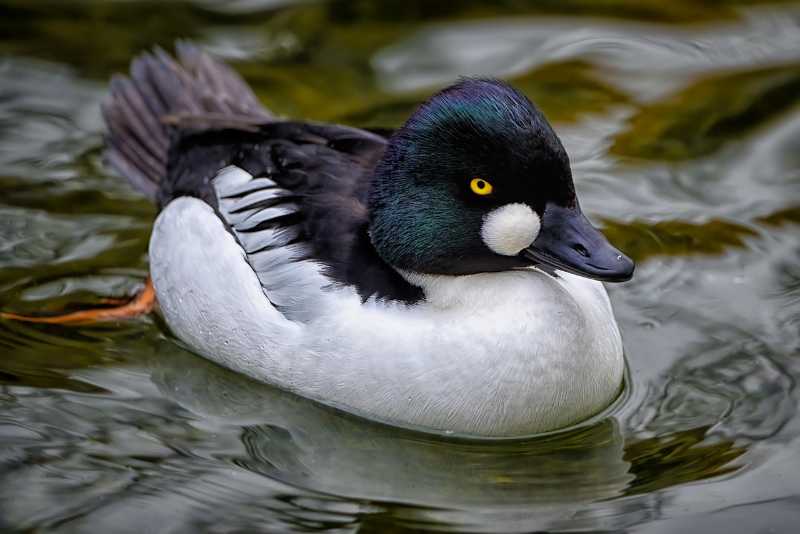
1. Goldeneye
Enlarging the photo might have helped you identify this duck, with its distinctive eye colour. It has the scientific name of Bucephala clangula and is native to North America and northern parts of Europe and Asia. It is occasionally seen in Scotland during winter months.
The male has a distinctive white spot on its face which helps with identification. Females are grey apart from the head, which has dark brown feathers. They have the same gold coloured eyes though.
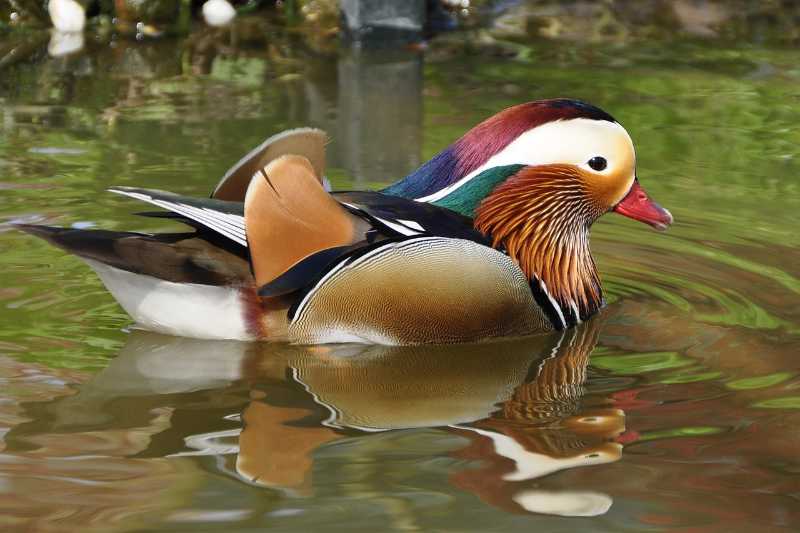
2. Mandarin
As the name indicates, this beautiful duck originated in China and other regions of Asia, but has established populations in parts of the UK and Europe. These were originally captive birds, which have escaped and taken to wild life like, well, ducks to water.
The female is much less distinctive, with brown backs and grey heads, but they do have the white stripe around the eye.
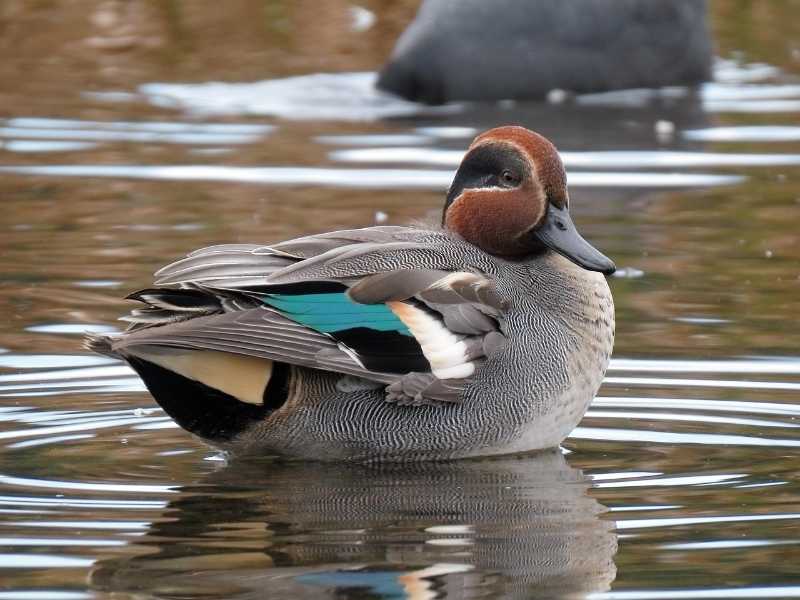
3. Teal
The teal is native to temperate areas of the world and has the scientific name Anas crecca. The males have brown heads, with a greenish stripe covering the eye from which the colour named teal takes its name. It is the smallest duck found in the UK. The name comes from a Middle English word relating to a flock of birds.
Females are mostly brown, but both male and female birds have the distinctive greenish blue feathers, as seen in the photo, on their wings.
4. Wigeon
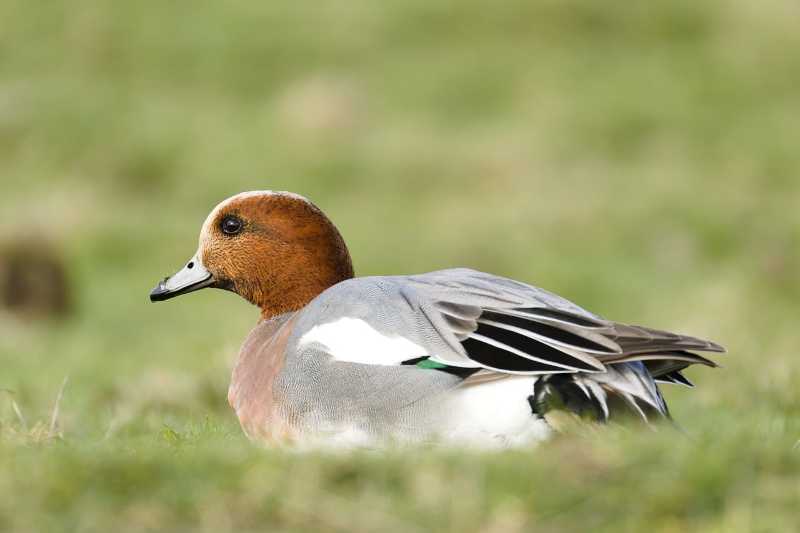
The wigeon is a medium sized duck with a chestnut coloured head and grey wings. Its distinguishing feature is the pink breast, which the photo shows clearly. Anas penelope is the scientific name, and the ducks tend to gather in large groups to feed on grasses next to water. If startled, the whole group takes off together. The species is found in northern parts of Europe, but will come to the UK for the winter months.
Females have the same brown head, with their other feathers being a lighter brown. Both have white bellies.
5. Northern Shoveler
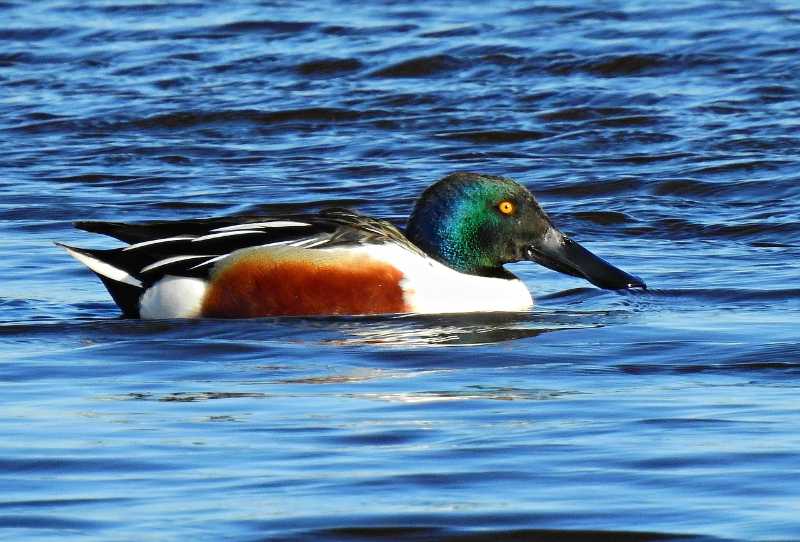
The green head and gold coloured eye are reminiscent of two different ducks in the quiz, but what gives this one away is the distinctive large beak. This duck is a surface feeder and the bill enables it to literally shovel up its food. There are different species of shoveler, native to various parts of the world.
Females have mottled brown feathers, but are recognisable by the size of the bill.
6. Shelduck
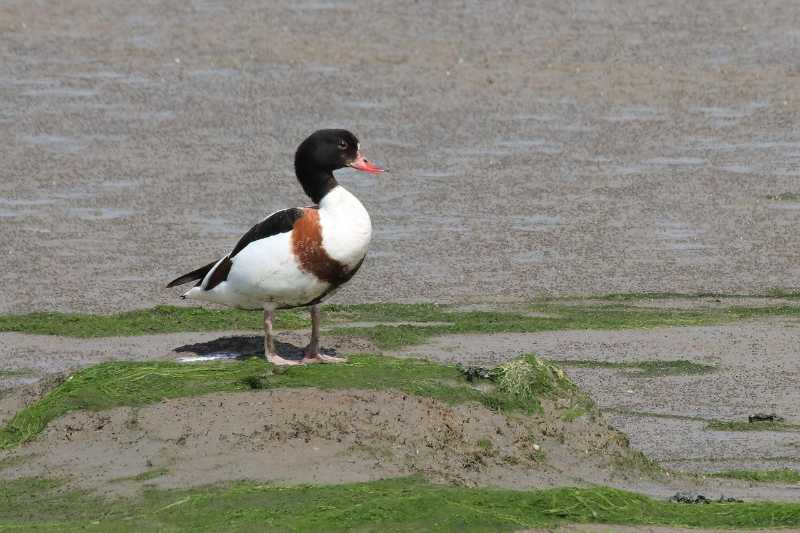
This is a large duck, sometimes close in size to some species of goose, which lives in coastal waters. It has a dark green head, a white body with a distinctive chestnut brown stripe around it, and a red bill. The scientific name is Tadorna tadorna, and it feds on mudsnails and worms, found by searching through wet sand and mud.
Unlike most of the ducks in the quiz, females are very similar to the males, just smaller. The only other difference is that males have a protrusion on the top of the bill, which is particularly prominent during breeding season. The females nest underground, often in abandoned rabbit burrows.
7. Red-crested pochard
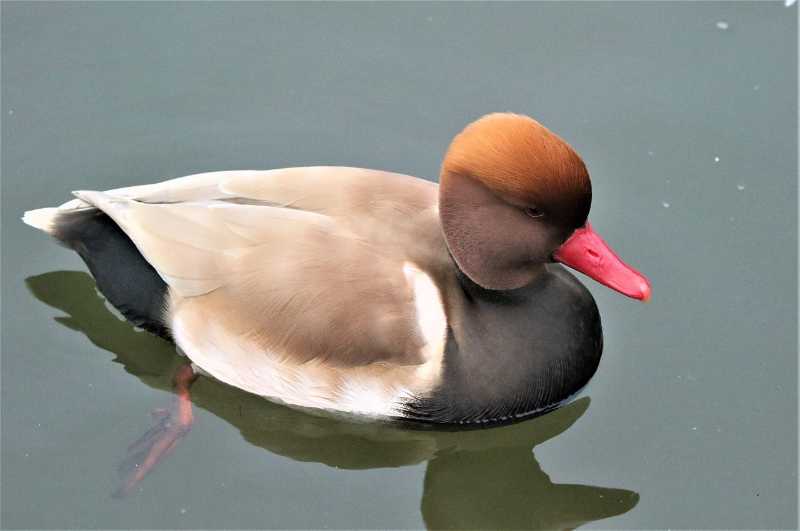
This species is larger than the standard pochard and the colouring is different, notably the red beak and eyes. The male has an orange 'cap' on the top of its head, with pale brown wings and a darker body. This species is native to southern and central Europe and parts of Asia. They are occasionally seen in the UK and those spotted are likely to be escapees.
Females are mostly brown but have white cheeks, which distinguishes them from many other female ducks, and the red appears only as a spot at the end of the bill.
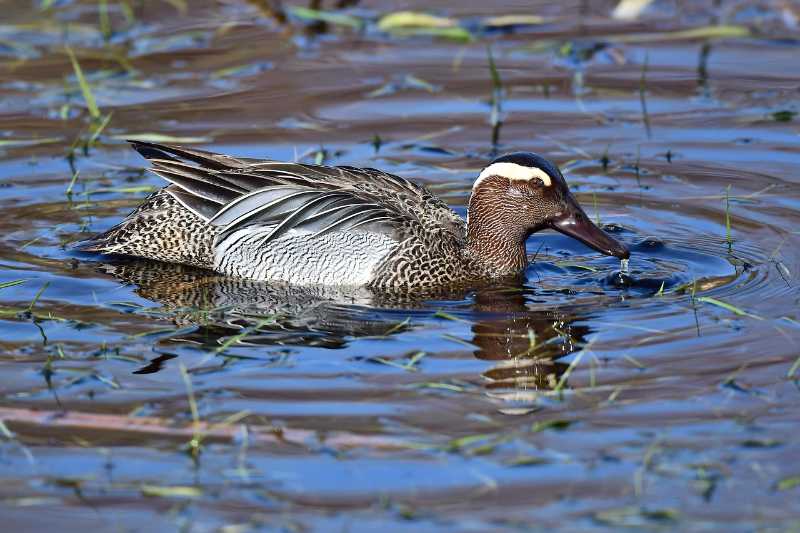
8. Garganey
At a glance, the garganey looks quite dull compared to some of the other species in the quiz, but look more closely and you will see the beautiful patterns in the feathers. The male is known for the prominent white stripe above its eye. It is native to Europe and western regions of Asia.
The female has mostly brown plumage and looks similar to the female teal. Nests are well hidden and usually made in areas where aquatic plants provide plenty of cover to hide in.
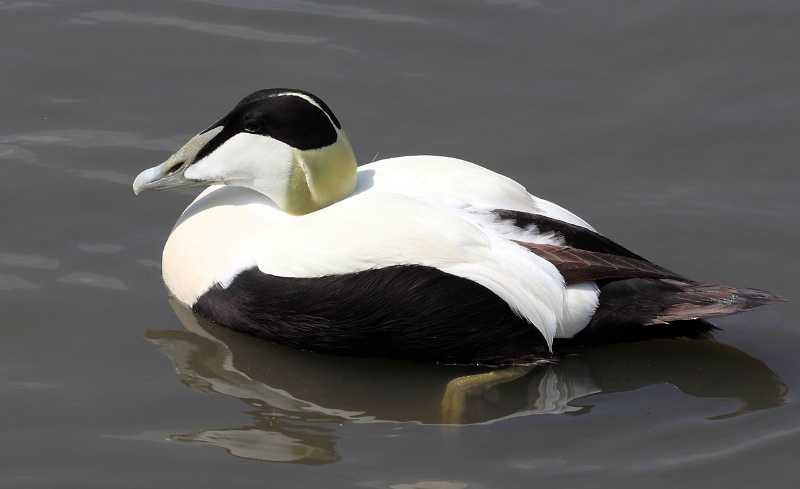
9. Eider
This heavy duck is mostly a sea living bird, and the males have a black crown on their heads with a green patch at the back of the neck. They feed on mussels and other crustaceans. Eiders are particularly known for their down, which is waterproof, soft and warm. Humans used it for quilts, which were often called eiderdowns in the UK, and the down is still harvested for expensive duvets and pillows. The ducks are wild, and protected, so the supply is limited.
Females are much more nondescript, with patterned brown feathers which camouflage them when nesting. They use their own down to insulate their nests.
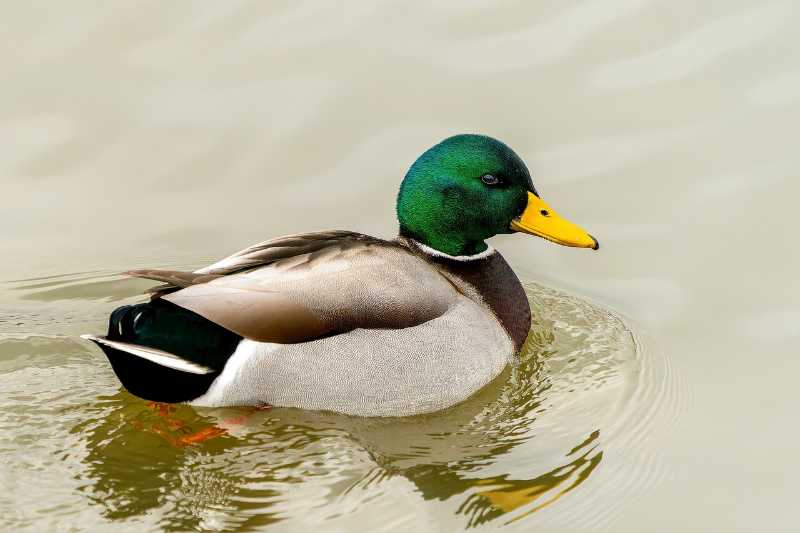
10. Mallard
This is the mallard, probably the first bird that people visualise when asked to describe a duck. They are common and easily recognised by their green heads, often described as forest green in colour, and yellow beak. The body is a pale brownish grey shade. Most domestic ducks, kept for eggs, meat or as pets, were bred from mallards - this does not apply to wild ducks, though.
Female mallards are mostly brown, with mottled shades, and have a mostly dark brown bill tinged with orange. They can be recognised by the purple patch on their wings, known as a speculum. Males also have this, but it's more noticeable on the female against the darker body.
This quiz was reviewed by FunTrivia editor agony before going online.
Any errors found in FunTrivia content are routinely corrected through our feedback system.