Each anagram starts with a three-letter animal (such as a BEE) followed by anagrammed letters (such as WHO COD). Each image shows the animal and may hint at the solved word (in this example: BEECHWOOD).
Drag-Drop or Click from Right
Options
THE WIGART FEETRAPMY IONAS A RUGSLEEK ANTLOOSE HENSHARE POTEND APPI RIFTHIS PELTETCH ARC
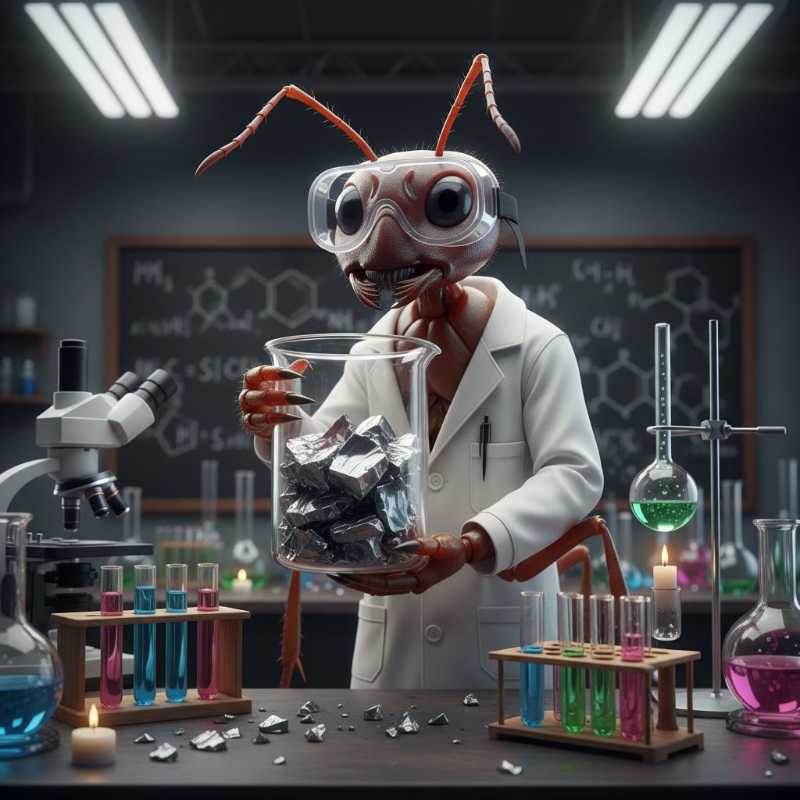
The animal in this image is an ant dressed as a chemist and holding a beaker containing chunks of a metallic element. The anagram is ANT combined with MY ION, producing ANTIMONY. Antimony compounds have been used since ancient times with the mineral stibnite given the Arabic name kohl and used as a cosmetic product, namely an eyeliner.
2. I RIFT
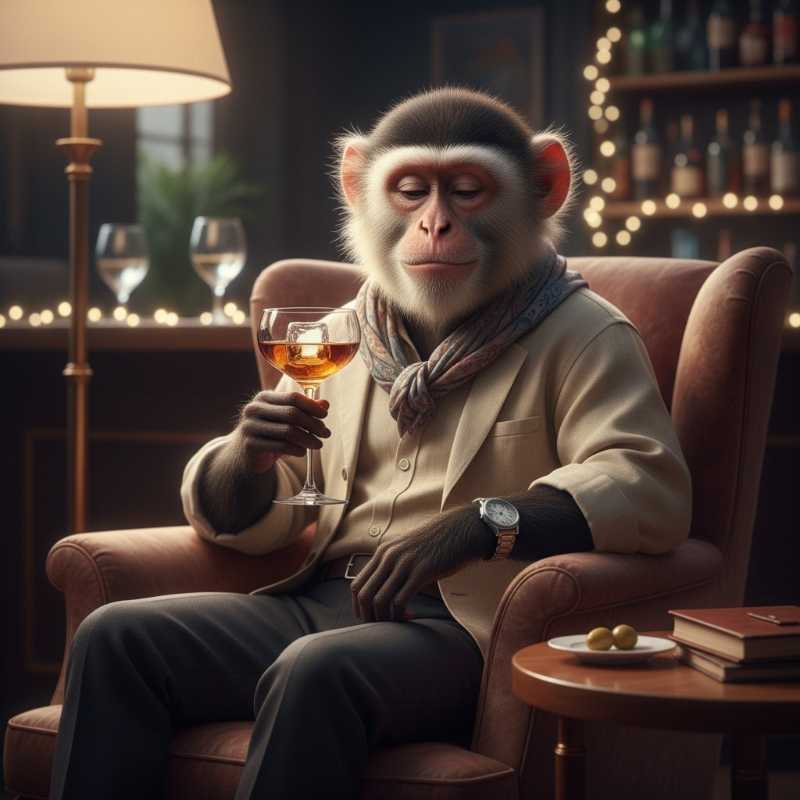
The three-letter animal in this case is an ape. Combine APE with the anagrammed letters I RIFT and you get APERITIF. An apéritif is an alcoholic drink usually served before a meal in contrast to a digestif when is taken after a meal. Sometimes served with finger food, it is intended to stimulate the appetite.
3. AS A RUG
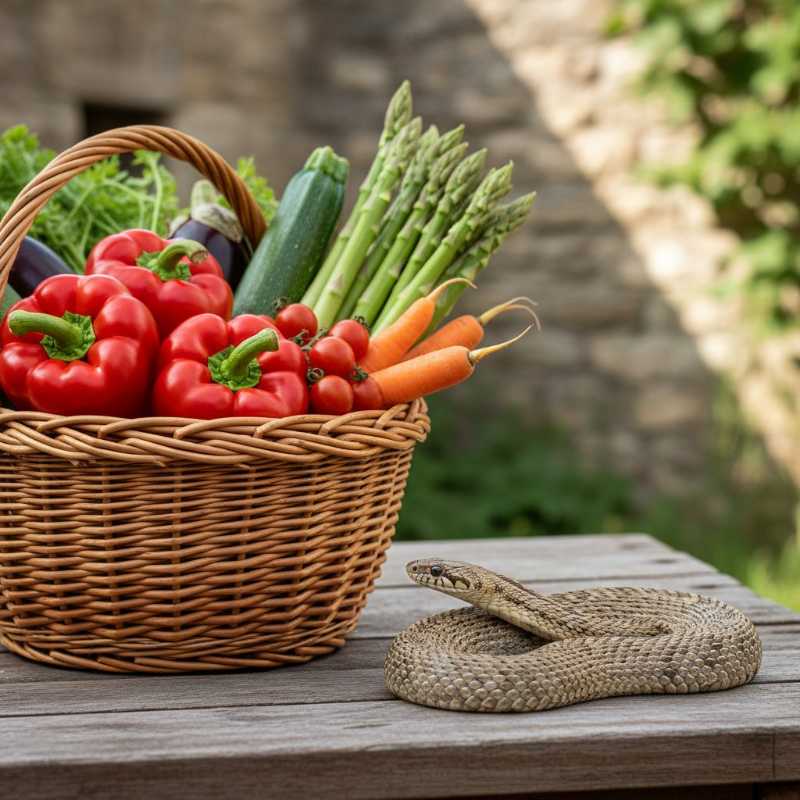
Next to the basket of vegetables in the image is a snake. The three-letter snake is an asp, one of several venomous snake species found in the Nile region and linked by some to the death of Cleopatra. One of the vegetables in the basket is asparagus which is what you get when you anagram the letters ASP and AS A RUG.
4. HIS PELT
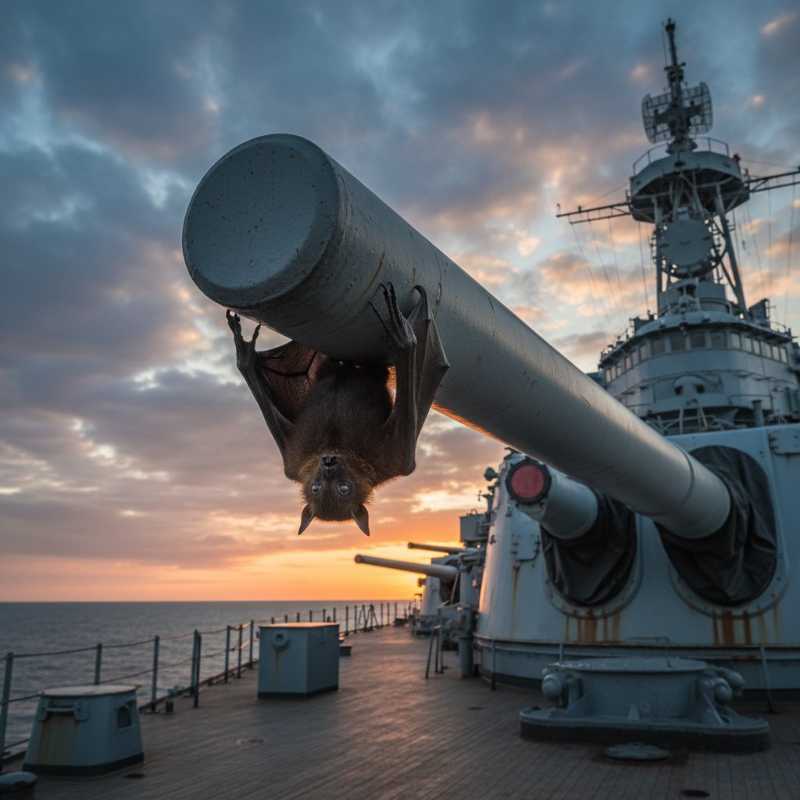
Hanging from the ship's gun is a bat. BAT combined with HIS PELT, anagrammed, produces a BATTLESHIP. The battleship used to be the main capital ship in a navy, heavily armoured and with large guns. These days this role is performed by the aircraft carrier, supported by missile-carrying warships amongst others.
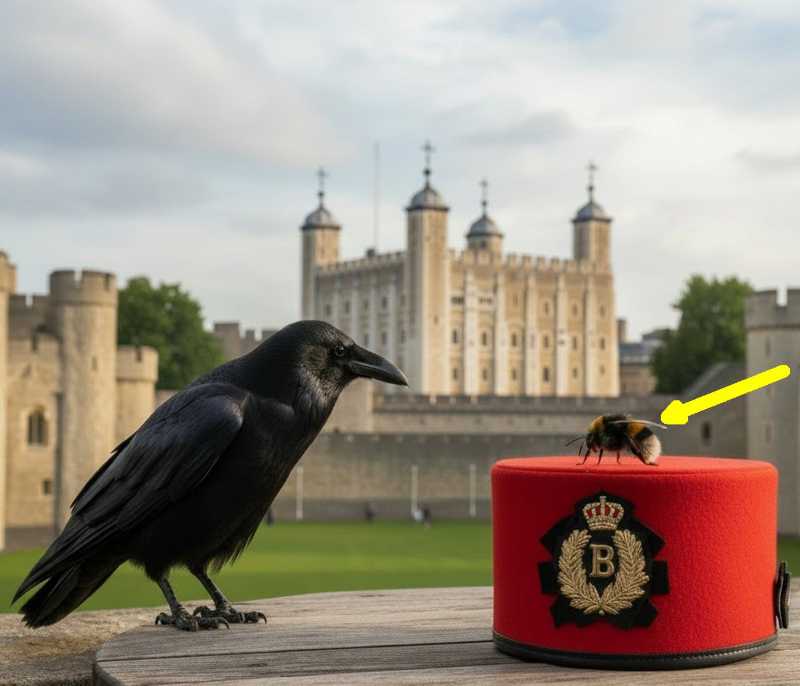
5. ART FEE
The yellow arrow points to a bee, the three-letter animal in this image. The other animal is a rook which is strongly associated with the Tower of London. The bee itself sits on the hat of a Beefeater (or Yeoman Warder), the ceremonial guardians of the Tower of London. The word BEEFEATER can be found by anagramming the letters BEE and ART FEE.
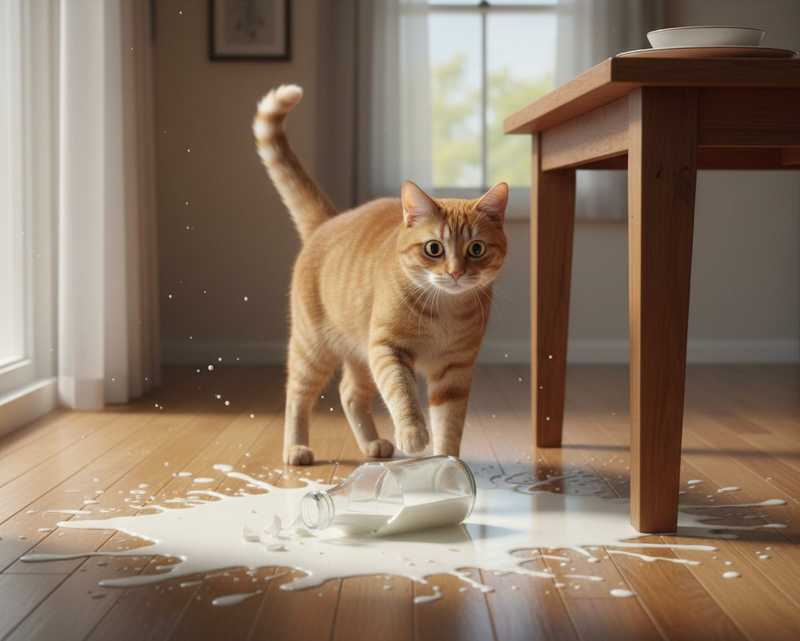
6. SHARE POT
It is not clear from the image whether the cat caused the accident. It is arguably a bit of a CATASTROPHE for the owner, however perhaps not for the cat. CATASTROPHE can be obtained by combining the words CAT with SHARE POT (once anagrammed).
7. ETCH ARC
The image is not so much about the cowgirl as what she is doing. The three-letter animal is the COW, which she is attempting to catch, making her a COWCATCHER as COW combined with ETCH ARC (anagrammed) produces COWCATCHER. A cowcatcher is an angled metal grill attached to the front of a train to deflect obstructions on the rail track. It is also called a pilot.
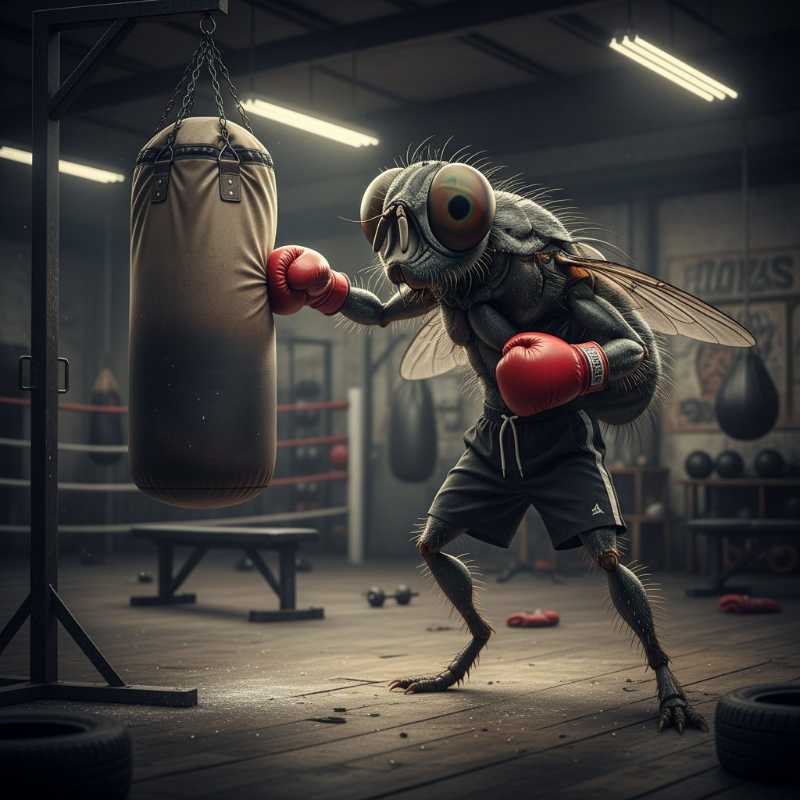
8. THE WIG
One of the weight classes in combat sports such as boxing is flyweight. In boxing this covers fighters up to and including 51 kg (112 lbs) in weight. This was the last of the 8 boxing weight classes to be recognised. The image shows a fly (the three-letter animal) training with a punch bag. FLY combined with THE WIG (anagrammed) produces FLYWEIGHT.
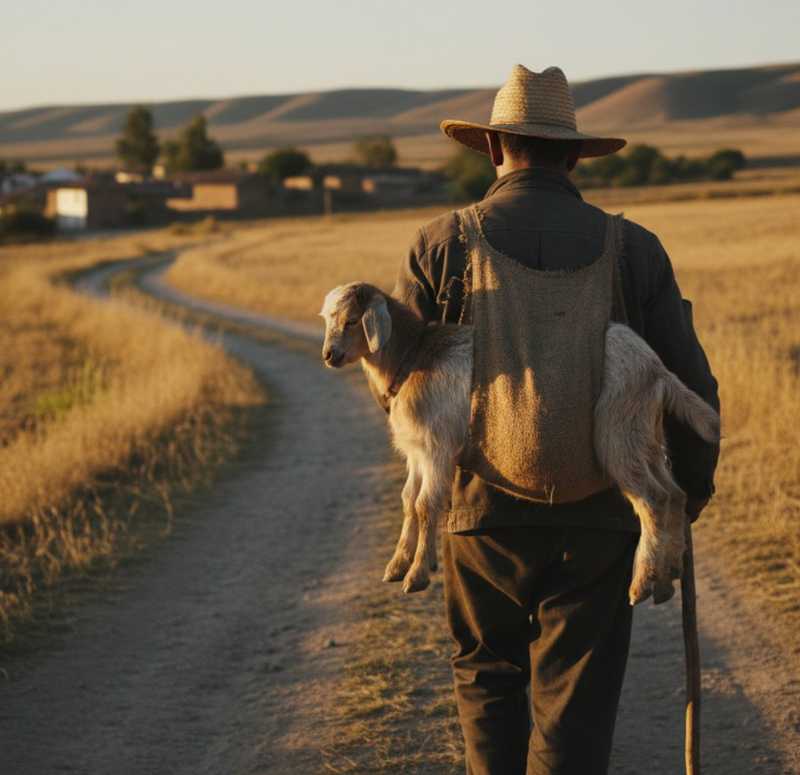
9. END APP
The image shows a young goat (or KID) being carried off or possibly KIDNAPPED. Anagramming the words END and APP and placing KID in front provides the anagrammed word. Goat kids are usually less than a year old. Young females goats are doelings whilst young male goats can be called bucklings. Adult goats are referred to as does and bucks, depending on whether they are female or male.
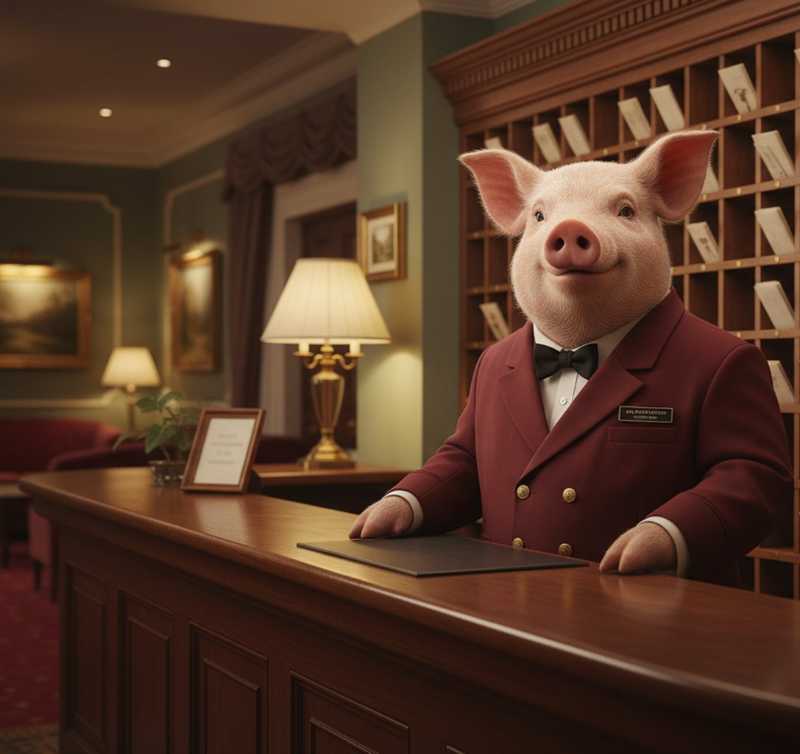
10. LOOSE HEN
Behind the pig (the three-letter animal) are some PIGEONHOLES, a word that can be obtained by anagramming LOOSE HEN and sticking PIG in front of it. The word "pigeonhole" has evolved from meaning a small recess in a pigeon loft where a pigeon nests to a small compartment in a desk for storing letters to categorising people in a restrictive manner.
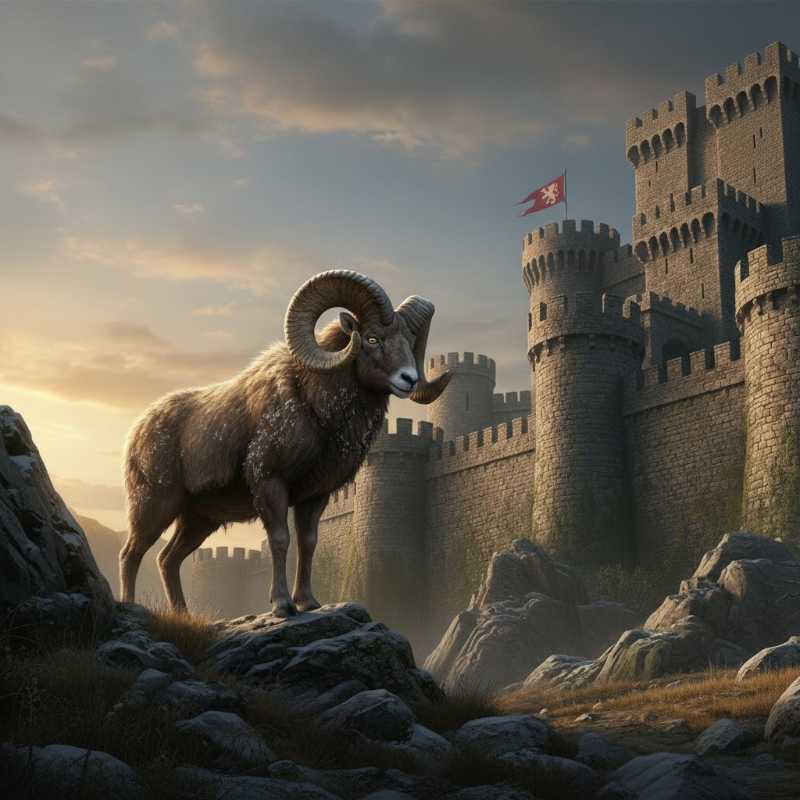
11. TRAP
The three-letter animal is a RAM, rather than a ewe, which is posing in front of castle walls. Castles are often built on high points and may include a RAMPART as part of the fortification. A rampart is defined as an embankment which often has a parapet or wall on top.
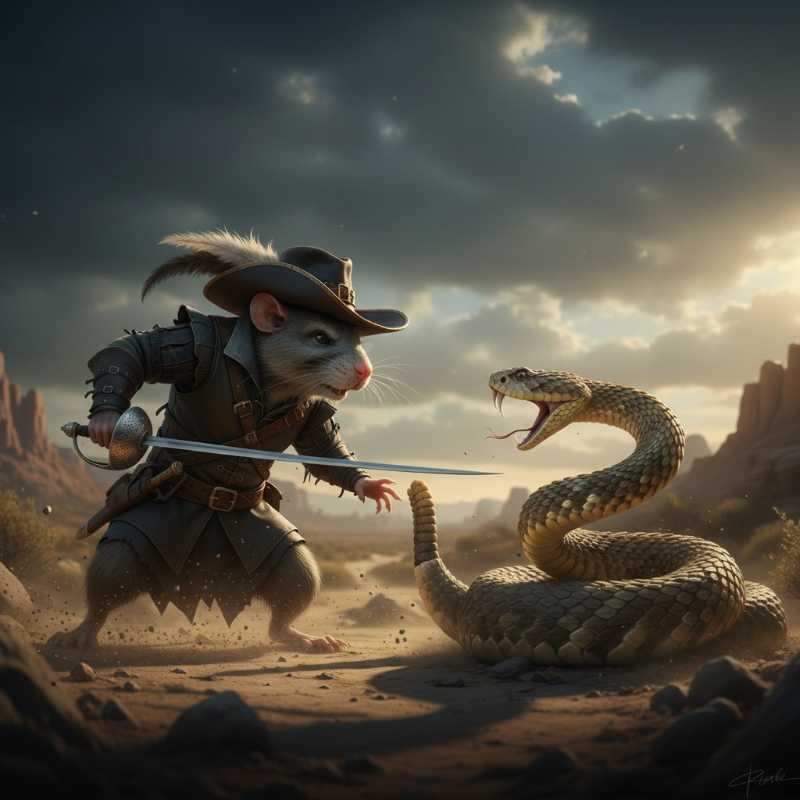
12. SLEEK ANT
The SLEEK ANT combined with a RAT produces the RATTLESNAKE when anagrammed. Rattlesnakes are venomous snakes found in the Americas and take their common name from the rattle on the end of their tails. This is used to make a loud rattling sound to deter predators.
There are some 36 species of rattlesnake across two genera, with double that in sub-species. They are found in a range of habitats from southern Canada to central Argentina.
This quiz was reviewed by FunTrivia editor Fifiona81 before going online.
Any errors found in FunTrivia content are routinely corrected through our feedback system.