FREE! Click here to Join FunTrivia. Thousands of games, quizzes, and lots more!
Building a Triumphal ARCH Trivia Quiz
All the photos of things, people or places you will find in this quiz have a connection with words beginning or ending in ARCH. Can you match each photo to the word it is associated with?
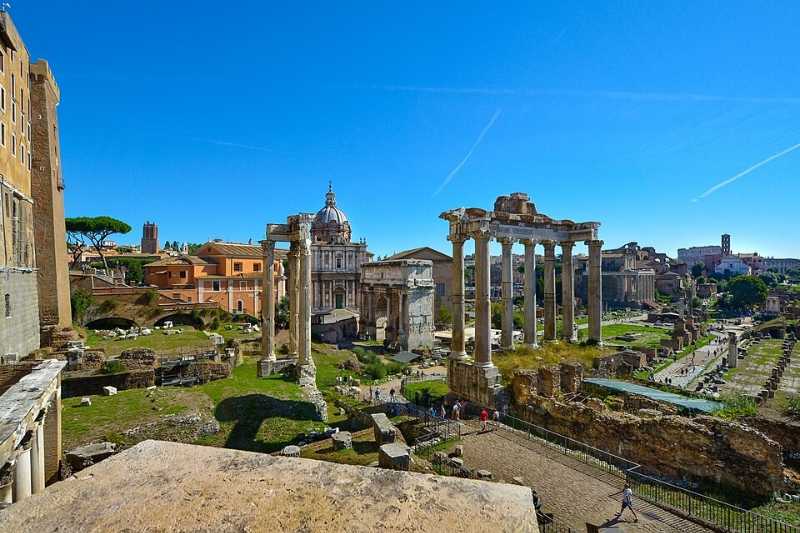
As its Greek-derived name ("study of ancient things") suggests, archaeology is a discipline that studies the human past through the recovery and analysis of all kinds of material remains. Though many might associate archaeology with the imposing architectural vestiges of famous ancient civilizations (such as the Roman Forum pictured here), the various specializations of this fascinating discipline deal with much less glamorous but no less important findings from more recent eras. Contrary to fictional depictions of archaeologists as fearless adventurers (take a bow, Indiana Jones), modern archaeology involves a lot of hard work, both physical and intellectual, and very rigorous scientific methodology.
Archaeology is one of the oldest fields of human knowledge, having its earliest roots in the first millennium BC: King Nabonidus of the Neo-Babylonian Empire (mid-6th century BC) is often regarded as the first archaeologist in history. However, the first modern archaeological excavations date from the turn of the 19th century and the work conducted by William Cunnington in Wiltshire, England. Among the best-known archaeologists of the 19th and 20th centuries there are Howard Carter (who discovered the tomb of Tutankhamun), Sir Arthur Evans (who unearthed the Palace of Knossos on Crete), and Hiram Bingham (who discovered the Inca citadel of Machu Picchu).
2. patriarch
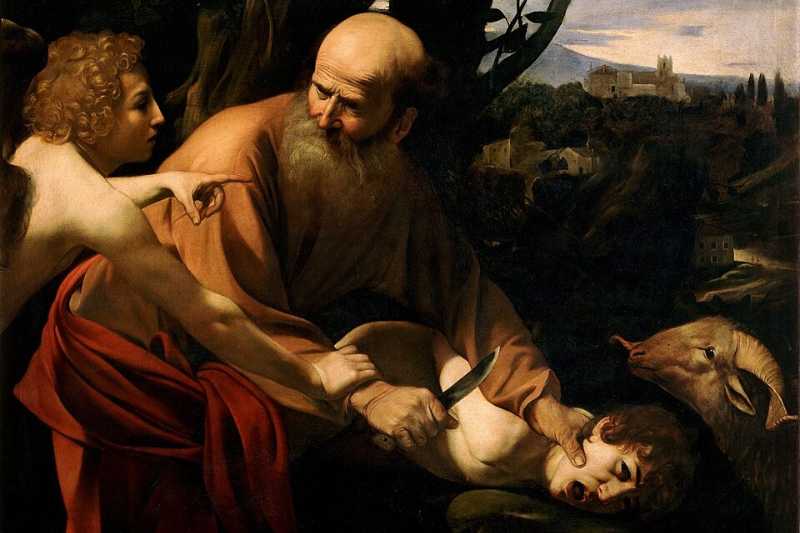
The term patriarch may refer to the head of a family (the literal meaning of the Greek word from which it is derived) or, by extension, to a high-ranking bishop in the Catholic Church and some Orthodox Churches. However, in the Hebrew Bible patriarch designates a number of major figures who appear in the Book of Genesis - in particular Abraham, his son Isaac, and the latter's son Jacob. The term is also often used for the twenty fathers of the human race, the first ten of whom (from Adam to Noah) came before the Great Flood, and are thus referred to as antediluvian patriarchs. The three main patriarchs are revered by Islam as well as Judaism and Christianity. All three religions hold that they are buried in the Cave of the Patriarchs in Hebron (West Bank) with their primary wives, the Matriarchs (Sarah, Rebekah and Leah).
The painting in the photo, one of Italian Baroque painter Caravaggio's most famous works, depicts the moment in which Abraham - about to sacrifice his son Isaac to obey God's command - is stopped by an angel who offers a ram in the boy's place. Executed in 1603, the painting is on display at Florence's Uffizi Gallery.
3. archery
The practice of using a bow ("arcus" in Latin) to shoot arrows at a target, either moving or stationary, archery is one of the oldest activities known to humankind. Remains of bone and stone arrowheads dating from at least 60,000 years ago have been found in various South African sites. Before the development of firearms, bows and arrows were extensively used both for hunting and warfare. The military superiority of peoples such as the Scythians (believed to have been the inventors of the composite bow), the Parthians, the Huns and the Mongols was chiefly due to their skill in mounted archery. Though archery underwent a decline when firearms were introduced, in the mid-19th century it was revived as a sport, which is still practiced globally. Archery debuted as an Olympic sport at the 1900 Summer Olympics, held in Paris.
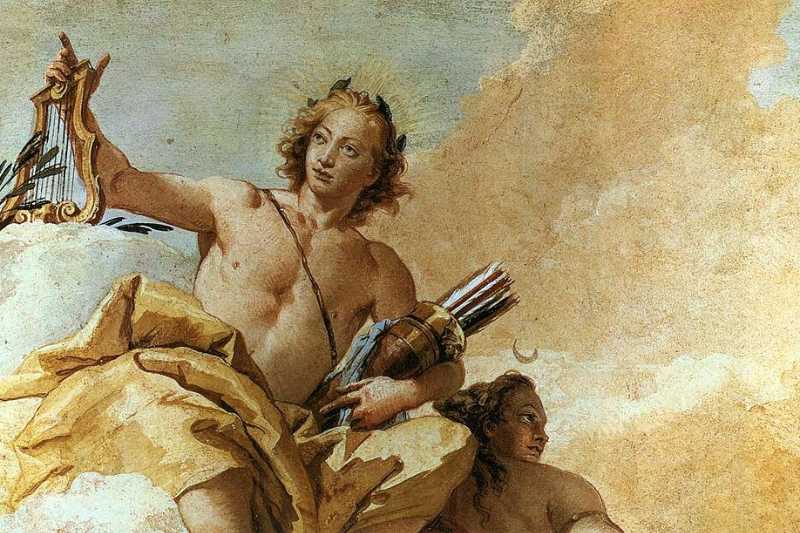
A number of mythical figures are associated with archery, among them the Greek deities Apollo, his twin sister Artemis, and Eros (Cupid), the god of love. In the fresco by 18th-century Italian painter Giovanni Battista Tiepolo shown in the photo, Apollo is depicted with two of his main attributes - a quiver full of arrows and a lyre. The arrows shot by Apollo and Artemis were believed to bring about deadly plagues (as in the Trojan War) or punish those guilty of hubris (as in the myth of Niobe and her children). Other legendary figures associated with archery are Robin Hood and William Tell.
4. starch
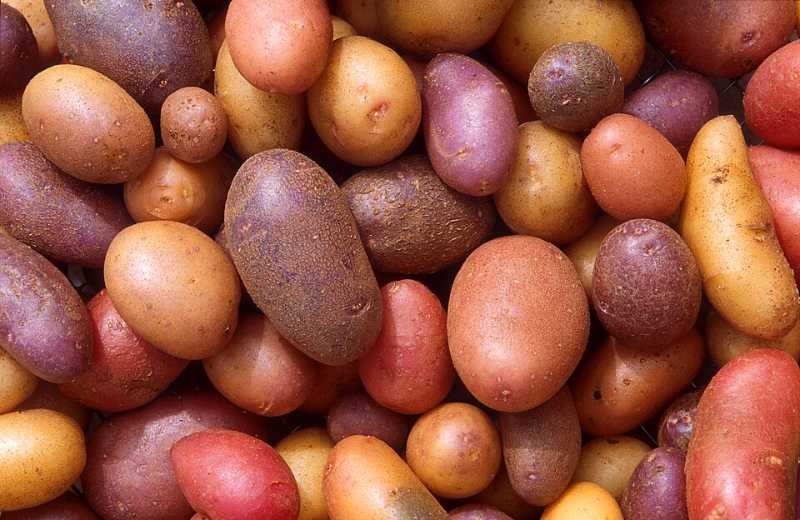
Starch, or amylum, is a complex carbohydrate (polysaccharide) consisting of glucose units joined by glycosidic bonds. Produced by green plants, it has the same energy-storing function as glycogen in animals, bacteria and fungi. Starch is abundant in cereal grains, as well as tubers such as potatoes (shown in the photo) and cassava. It is thus a major component of the human diet, especially in the form of foods made with cereal flour such as bread, pasta or various types of porridge.
In its pure form, starch looks like a white, tasteless and odorless powder, which is used in cooking as a thickener, in the laundering of clothes, or in the manufacturing of adhesives. Starch can also be converted into simple sugars by hydrolysis, which uses acids or enzymes. An example of this is the malting process undergone by barley prior to the making of beer or whisky. Glucose (corn) syrup is also a product of the hydrolysis of starch.
Etymology fans may be interested in learning that starch is related to the adjective/adverb "stark": both words come from a Germanic root meaning stiff or strong.
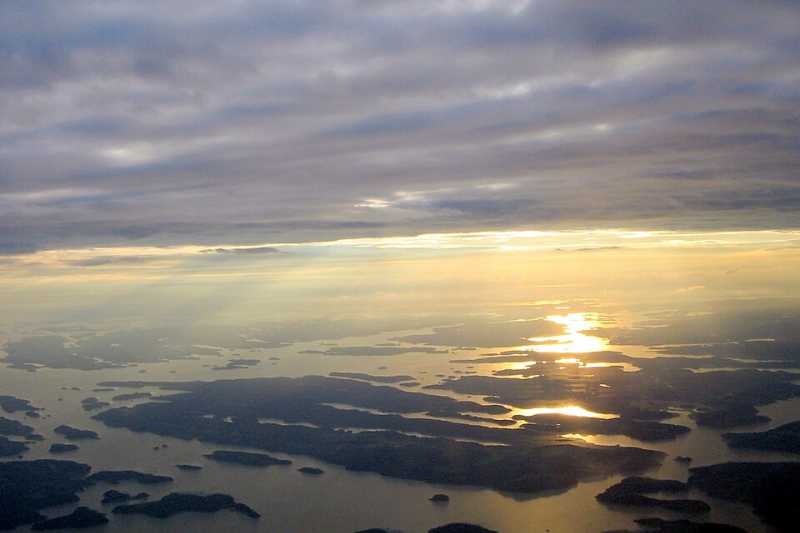
5. archipelago
An archipelago is a group or chain of islands found in an ocean, a sea or a smaller body of water (such as a lake or a river). The term, which can be roughly translated as "chief sea", was originally used in Italian to denote the Aegean Sea, and was later applied to the island groups that dot that body of water. Archipelagos have different conformations and origins. Some of them are formed by volcanic islands, as in the case of Hawaii or the Canary Islands, while others (like the Canadian Arctic Archipelago) were once part of a continent and still lie on a continental shelf. Some archipelagos found in warm tropical waters - such as the Maldives - consist entirely of coral atolls, which also have volcanic origin.
Though many would expect the world's largest archipelago to be located in the endless expanse of the Pacific Ocean, the holder of this record is found in the much colder waters of the Baltic Sea, at the southern end of the Gulf of Bothnia. The aptly-named Archipelago Sea that lies between Sweden and Finland contains a number of islands of varying sizes estimated at over 50,000. Most of those islands (such as the ones in the photo) lie off the southeastern coast of Finland, and are often referred to as the Turku Archipelago (from the name of Finland's oldest city and former capital). The world's largest archipelago state, Indonesia, consists of over 17,000 islands; it is part of the larger Malay Archipelago, or Maritime Southeast Asia.
6. archive
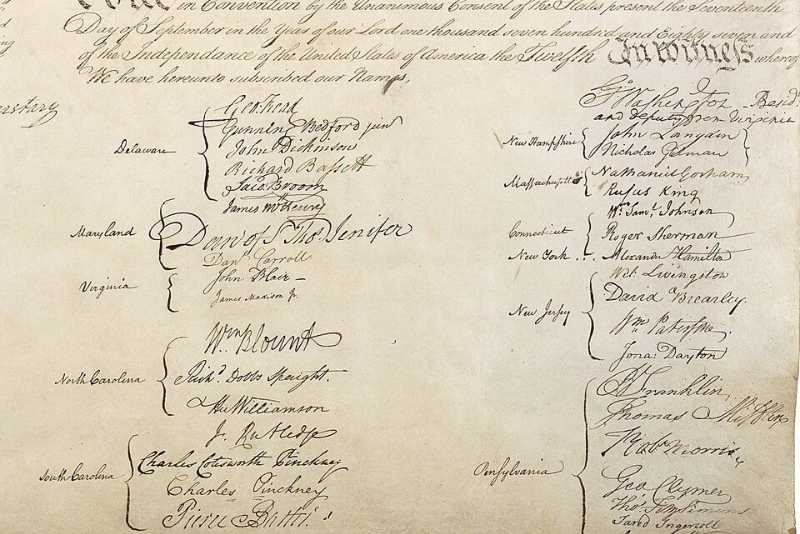
Archive (or archives) refers to both a collection of historical documents in any medium and the building or other facility where such a collection is kept. The Greek word from which the modern term is derived originally referred to the home of a public official (the Archon, or chief magistrate), which acted as a repository for important state documents. Most public and private institutions all over the world have their own archives, which in the present day are very frequently digitized for ease of access. Unlike libraries, which contain multiple copies of books or periodicals, archives usually preserve unique specimens of documents selected for their particular value.
Most countries' national archives are headquartered in the capital, though they may have branches elsewhere. The National Archives in Washington DC, established in 1934, holds the original Charters of Freedom, the three founding documents of the US: the Declaration of Independence, the Constitution (whose signatures appear in the photo) and the Bill of Rights. A different, though equally remarkable archive is the Vatican Apostolic Archive in Vatican City, which holds documents accumulated by the Catholic Church throughout the centuries.
7. monarch
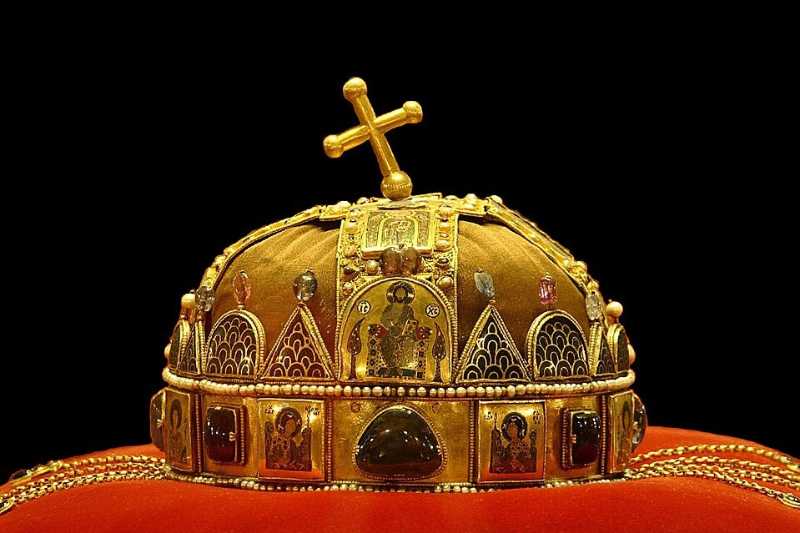
Monarch means "sole ruler", though nowadays this is rarely the case. in fact, most contemporary monarchies are of the constitutional (also known as parliamentary) kind, in which the monarch is head of state but not of government. In a constitutional monarchy, the sovereign often has a largely ceremonial role, symbolizing national unity. On the other hand, absolute monarchies - in which the sovereign has no checks on her or his authority - still exist in some parts of the world.
Throughout history monarchs have been known by a variety of titles - not just king or queen (the most common), but also emperor or empress, prince or princess, duke or duchess (and variations thereof), sultan, emir, tsar, shah, pharaoh and others. Most monarchies are hereditary, with rules that vary from country to country; some of them exclude women from succession altogether (as did France when it was a monarchy).
The crown is the most powerful symbol of a sovereign's rule, so much that it is often used as a synonym for the monarchy itself (as in Commonwealth countries). However, the crown featured in the photo is one of the most valuable historic artifacts in a country that officially ceased to be a monarchy in 1946. The Holy Crown of Hungary, also known as the Crown of St Stephen, was used to crown the Kings of Hungary from the 12th century onward, and is know on display in the Parliament Building in Budapest.
8. architecture
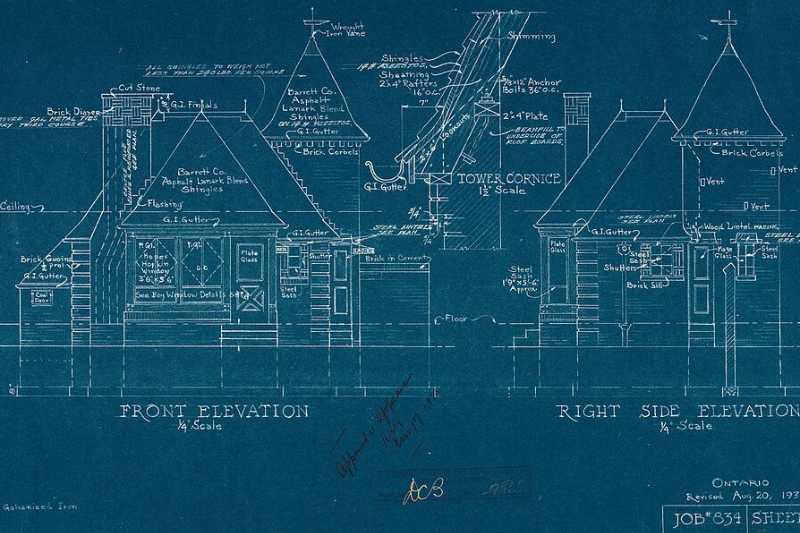
Dealing with the design of structures, architecture is both a technical discipline and a visual art. An architect ("chief creator" in Greek) needs to have a solid foundation in mathematics, physics and engineering, as well as knowledge of construction materials and building codes and regulations. Though nowadays a wide range of digital design tools are available to help in the creative process, skill in drawing by hand is also an essential asset. Unlike other forms of visual art, architecture has a practical purpose with a significant impact on people's everyday lives. A successful architectural creation is not only aesthetically pleasing, but also shapes an environment where people can live, work, study or spend their free time in the most effective way.
The practice of architecture is as old as humankind. Professional architects already existed in Egypt and Mesopotamia, and some of the earliest treatises on architectural theory were written in China as early as the 7th century BC. Architecture also reflects the culture, history and geographical situation of a country, making the most of local resources and cleverly compensating for the lack of certain features.
Blueprints like the one in the photo are reproductions of technical drawings printed by a cyanotype process. Introduced in 1842 by Sir John Herschel, they are now obsolete, having been replaced first by whiteprints and xerography, then by computer-aided drawings.
9. march
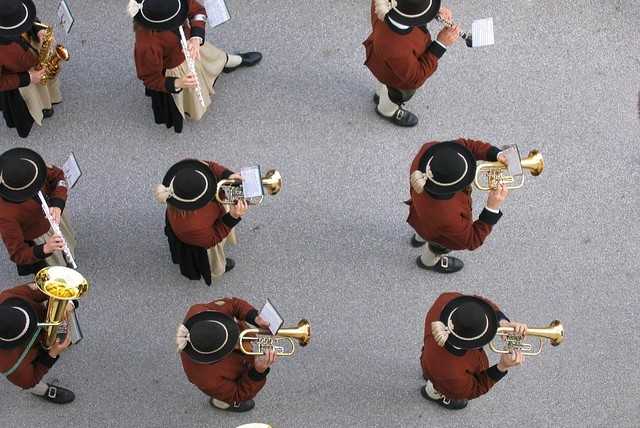
As a noun, march has several different meanings. In this particular case it refers to a musical composition whose strong, regular rhythm is meant to accompany the marching of soldiers, and is often performed by a marching band. Though marches have their origin in a military context, and marching bands are a regular feature of military parades, some famous marches were composed for non-military purposes. Notable examples are the first of Edward Elgar's "Pomp and Circumstance" marches (1901). which in the US and Canada is known as "The Graduation March", or the well-known "Wedding March" from Felix Mendelssohn's "A Midsummer Night's Dream" (1842). American composer and conductor John Philip Sousa (1854-1932) was known as The March King: the US' national march, "The Stars and Stripes Forever", was composed by him in 1896.
A marching band, such as the one depicted in the photo, typically includes brass, woodwind and percussion instruments. As the members of such a band play their instruments while marching, they need to have considerable physical stamina and coordination. Outside military settings, marching bands are often seen at school functions, sporting events, and many different kinds of celebrations and commemorations.
In the meaning discussed above, march is of likely Germanic origin. The name of the third month of the year, however, comes from Mars, the Roman god of war.
10. archbishop
As the name implies, an archbishop is a member of the clergy of some Christian denominations that holds a higher rank than an ordinary bishop. In the Catholic Church, an archbishop is usually the head of an archdiocese, though there are some that hold titular archbishoprics. Many archbishops eventually become cardinals: most of the popes elected in the past one hundred years or so previously served as archbishops. Archbishops also exist in Eastern Christianity (both Catholic and Orthodox) and in some national Lutheran churches.
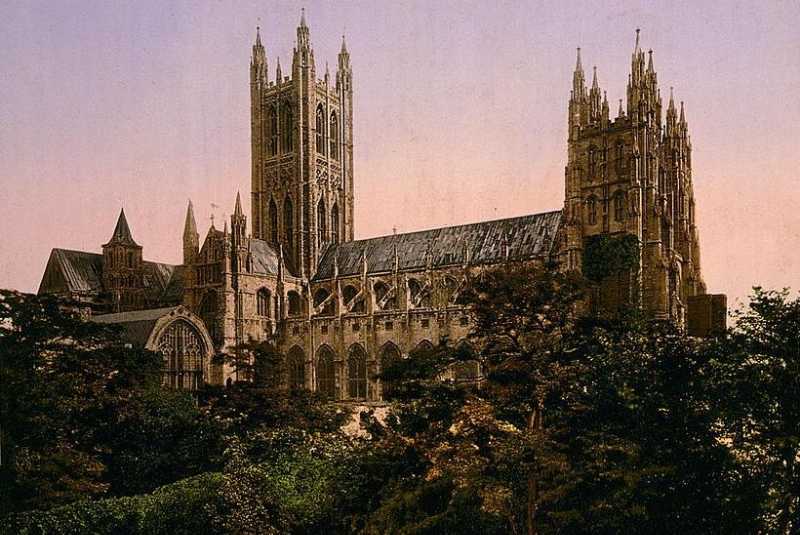
The most famous of archbishops, however, is to be found in the Church of England. The Archbishop of Canterbury, while not the head of the Church (a privilege held by the king or queen of the United Kingdom since Henry VIII), is its spiritual leader, as well as the ceremonial head of the Anglican Communion - which also includes the American Episcopal Church. The first archbishop was Saint Augustine of Canterbury, appointed in 597 AD. In January 2026, Sarah Mullally became the first woman to be appointed Archbishop of Canterbury. The beautiful Canterbury Cathedral (here shown in a vintage photo), built in the 11th century, is the oldest see of the Church of England.
This quiz was reviewed by FunTrivia editor trident before going online.
Any errors found in FunTrivia content are routinely corrected through our feedback system.