Aug 29 2026
:
Almit: 10/12
Aug 26 2026
:
Guest 165: 10/12
Aug 19 2026
:
Guest 12: 12/12
Aug 19 2026
:
Guest 67: 10/12
Aug 19 2026
:
Guest 99: 10/12
Aug 19 2026
:
Guest 24: 10/12
Jul 29 2026
:
QuizzicalChook: 12/12
Jul 29 2026
:
Guest 72: 8/12
Jul 16 2026
:
polly656: 8/12
Quiz Answer Key and Fun Facts
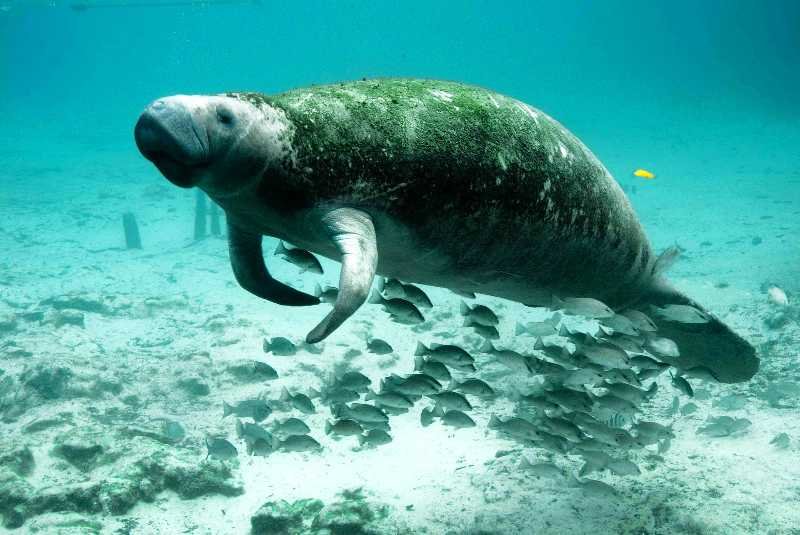
1. sea cow
Despite the nickname, the manatee, often called a "sea cow," has no real connection to cattle. It belongs instead to the order Sirenia, alongside dugongs and the extinct Steller's sea cow.
Manatees live in warm, shallow waters such as rivers, estuaries, and coastal zones, especially around Florida, the Caribbean, and parts of West Africa and South America. Their bodies can reach about 13 feet (4 meters) in length and weigh up to 1,300 pounds (590 kilograms). Even with that size, they feed almost entirely on aquatic plants and algae, consuming roughly 10 to 15 percent of their body weight each day.
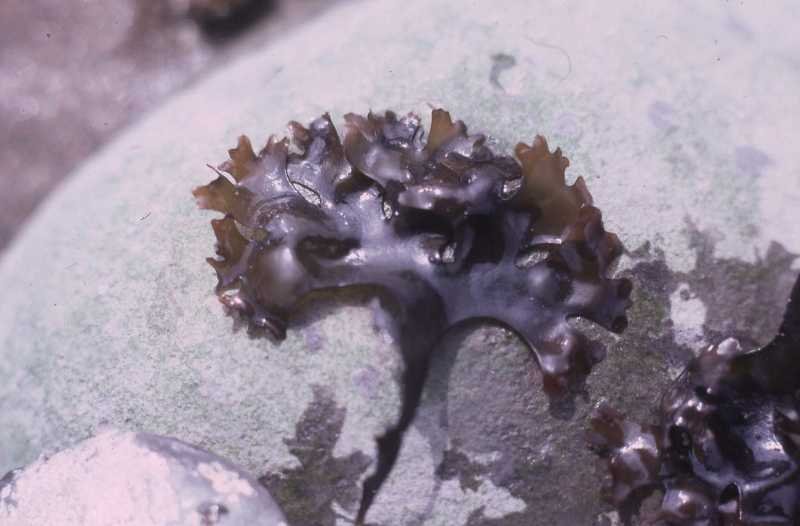
2. Irish moss
Irish moss, known scientifically as Chondrus crispus, is not moss at all but a type of red algae that grows along rocky Atlantic coastlines in Europe and North America. It anchors itself to rocks in intertidal zones, where it is alternately submerged and exposed during changing tides.
Its name is tied to its use during the Irish Potato Famine, when it served as a food source. It has some usefulness in that sense, which comes largely from carrageenan, a natural compound that is used to form gels. When boiled and strained, Irish moss thickens liquids, which is why it can be used in soups and desserts.
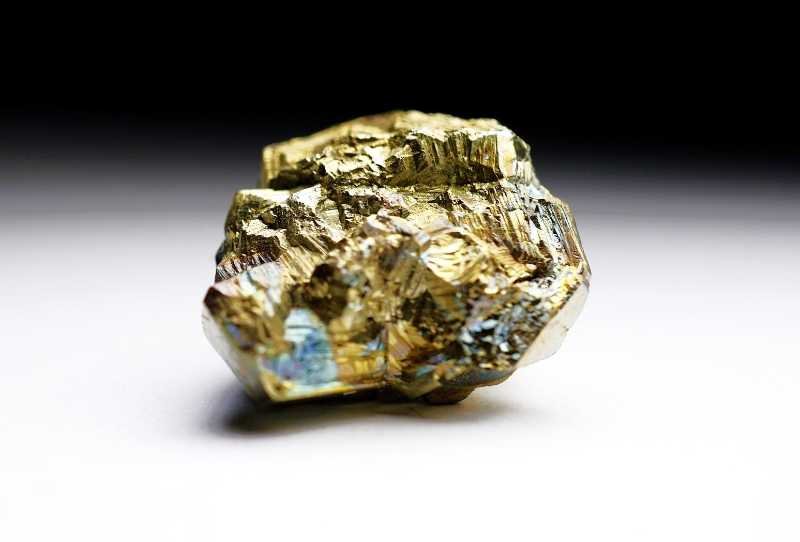
3. fool's gold
Pyrite, commonly called "fool's gold," owes its nickname to its metallic shine and brassy-yellow color, which can resemble real gold at a glance. Chemically, however, it is iron disulfide, formed in cubic crystal structures.
It appears in a wide range of rock types, including sedimentary, metamorphic, and igneous formations, and is found in places like Spain, Peru, Italy, and the United States. Historically, pyrite was struck to create sparks for fire starting, a use reflected in its name from the Greek word "pyr," meaning fire. Today, it is also used in producing sulfur compounds and occasionally in jewelry, though its brittleness limits that use.
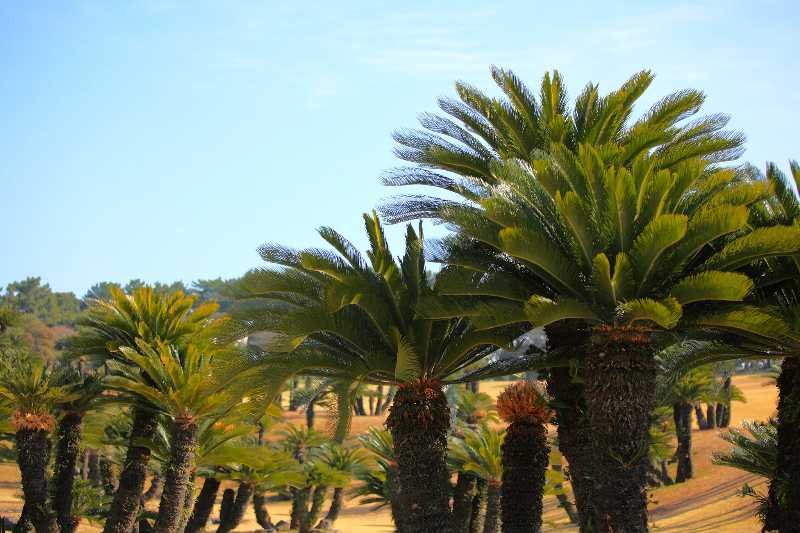
4. sago palm
The sago palm, or Cycas revoluta, resembles a palm tree but is actually a cycad, an ancient group of seed plants. Native to southern Japan and parts of China, it has a thick trunk and a crown of stiff, feather-like leaves.
Its seeds have historically been processed into sago, a starchy food, though they contain the toxin cycasin and require careful preparation to make them safe to eat. Because of its symmetrical shape and tolerance for different conditions, the plant is widely used in landscaping and as an indoor ornamental.
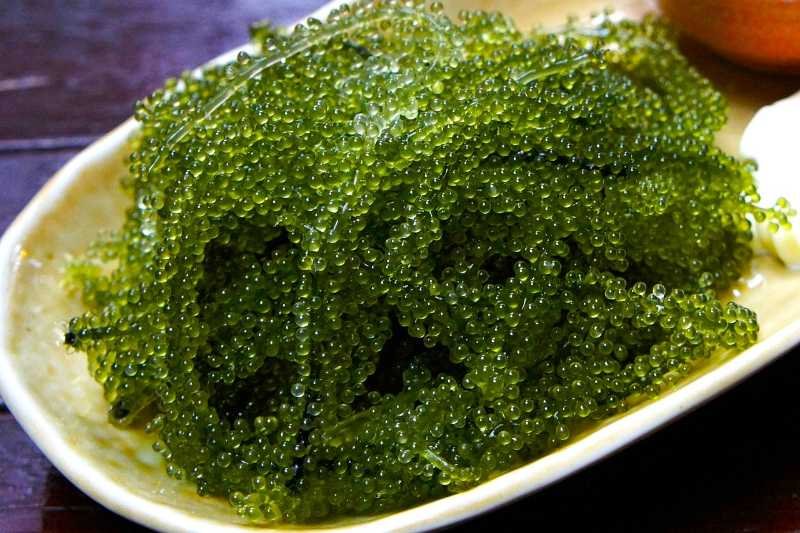
5. sea grapes
Often called "sea grapes," Caulerpa lentillifera is actually a type of green algae found in tropical coastal waters, particularly in the Indo-Pacific. The name comes from its appearance: small, round, translucent green beads attached to a thin stem.
Although unrelated to actual grapes, it is eaten in many Asian cuisines, especially in Japan and Southeast Asia. It is usually served raw, in salads or alongside seafood, where its mild, salty flavor comes with a firm, popping texture. Because of this shape and texture, it is also sometimes called "green caviar."
6. red panda
The red panda, Ailurus fulgens, is not closely related to the giant panda despite the shared name. Instead, it belongs to its own family, Ailuridae, and is more closely related to raccoons and mustelids.
It lives in temperate forests across the eastern Himalayas and southwestern China, where bamboo is abundant. Along with bamboo shoots and leaves, it eats fruit and insects. Its long, bushy tail helps with balance in trees, and because it's crepuscular, it is most active at dawn and dusk.
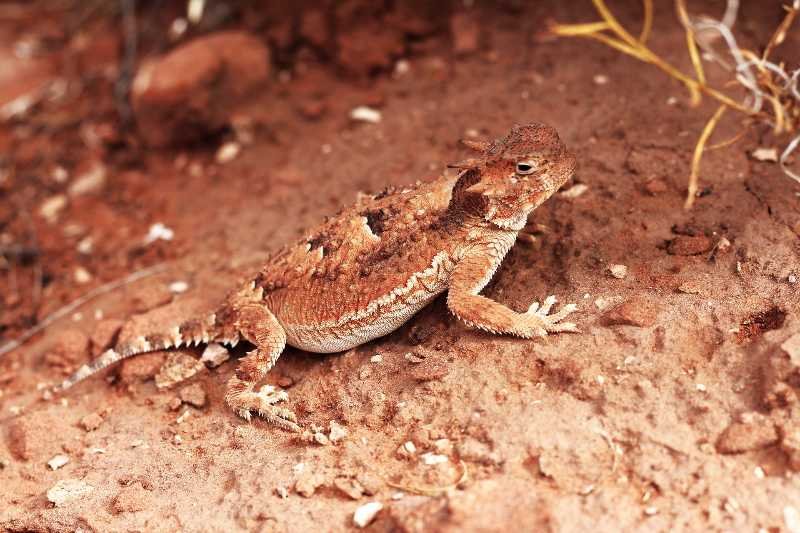
7. horny toad
The "horny toad" is not a toad but a lizard, usually referring to species like the Texas horned lizard. These reptiles belong to the family Phrynosomatidae and are found in deserts and dry regions across the southwestern United States, Mexico, and parts of Central America.
Their flattened bodies are covered in spines, which help with defense. They primarily eat ants, using specialized tongues to capture them. When threatened, they can puff up their bodies or, in extreme cases, squirt blood from their eyes to deter predators.
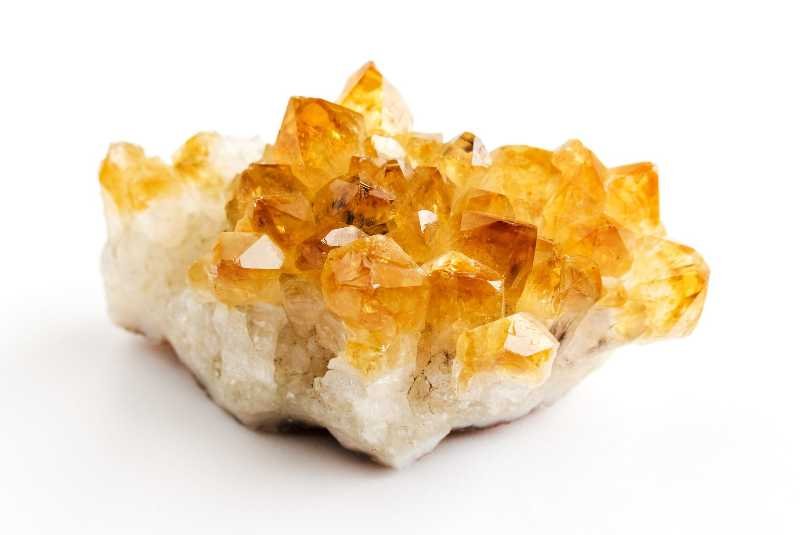
8. Spanish topaz
Citrine, sometimes called "Spanish topaz," is actually a variety of quartz rather than topaz. Its color ranges from pale yellow to deep golden-brown. Deposits are found in countries such as Brazil, Bolivia, Madagascar, Russia, and the United States. It has long been used in jewelry, valued for its color and relative affordability, and in some traditions it is associated with wealth and positive energy.
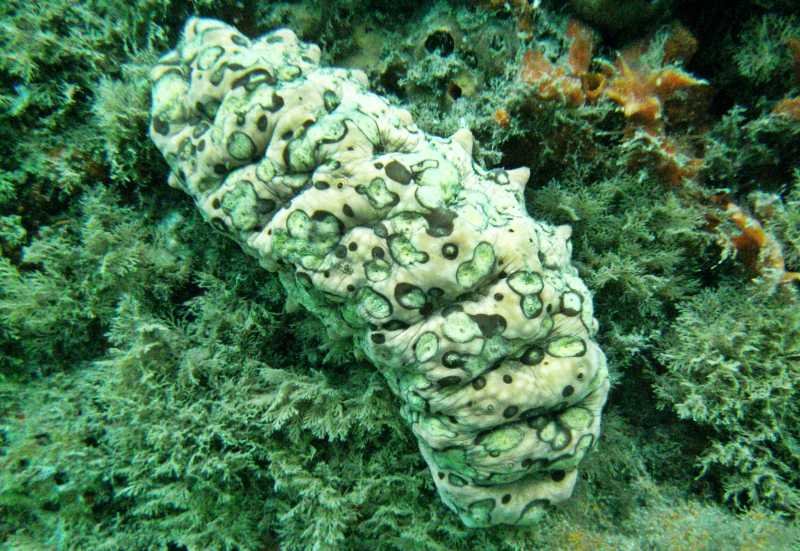
9. sea cucumber
Despite the name, a sea cucumber is an animal, not a plant. It belongs to the phylum Echinodermata, making it related to starfish and sea urchins. These creatures live on the ocean floor, where they feed on organic material and help recycle nutrients. In East and Southeast Asia, they are used in cooking, usually dried and later rehydrated for soups and stews.
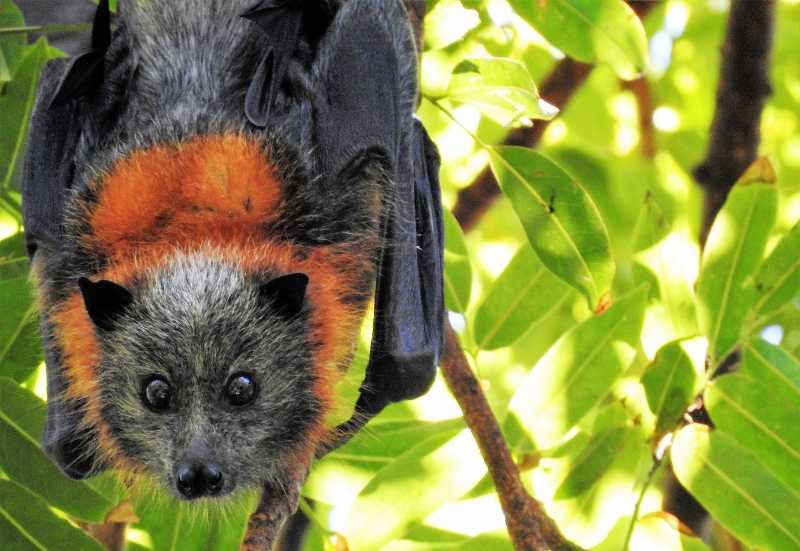
10. flying fox
A flying fox is not a fox but a large fruit bat from the genus Pteropus. The name comes from its fox-like face, with pointed ears and a long snout. These bats live in tropical and subtropical regions across Asia, Australia, Africa, and the Pacific islands.
They feed mainly on fruit, nectar, and pollen, and play a key role in pollination and seed dispersal. Colonies can number in the thousands, often roosting in trees.
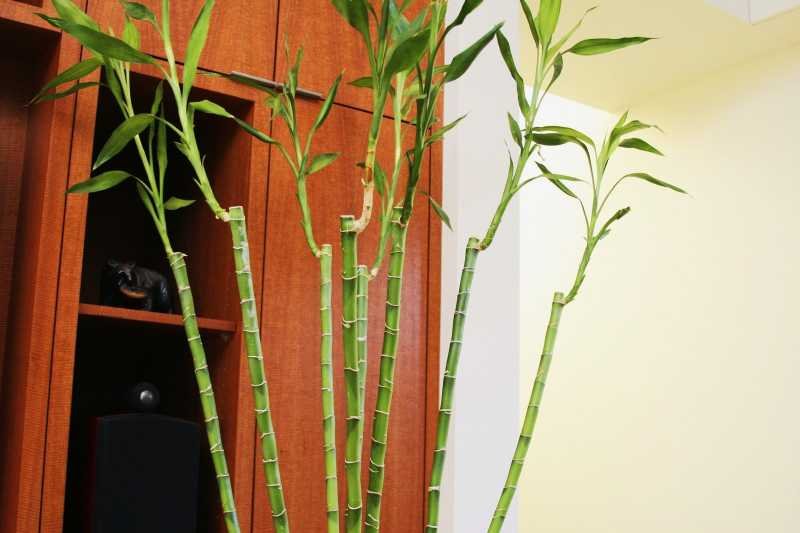
11. lucky bamboo
Lucky bamboo, or Dracaena sanderiana, is not bamboo at all but part of the Dracaena genus, which is more closely related to lilies. Native to West Africa and widely cultivated in Asia, it is commonly grown as a decorative plant.
It can grow in water or soil and tolerates low light, which makes it popular for indoor use. In many cultures, it is associated with good fortune, prosperity, and balance.
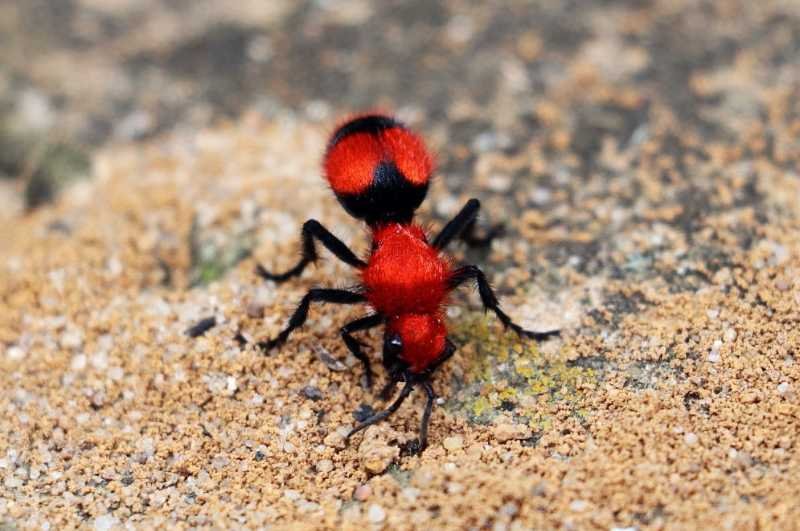
12. velvet ant
The velvet ant is actually a wasp, not an ant, belonging to the family Mutillidae. Its name comes from the dense, velvety hair covering its body, often in bright colors like red, orange, or yellow.
Females are wingless and equipped with a powerful sting. These insects are solitary and lay their eggs in the nests of other bees or wasps, where their larvae consume the host. Although their reproductive habits might seem a bit harsh, they are generally not aggressive unless disturbed.
This quiz was reviewed by FunTrivia editor agony before going online.
Any errors found in FunTrivia content are routinely corrected through our feedback system.