FREE! Click here to Join FunTrivia. Thousands of games, quizzes, and lots more!
Quiz about Purple in Nature

Purple in Nature Trivia Quiz


Purple is the color of royalty, and also the color of many birds and flowers. Each of the following either has the word "purple" or a shade of purple in its common name. Match the name to the photo.

by pusdoc. Estimated time: 3 mins.
  1. Home
  2. »
  3. Quizzes
  4. »
  5. General Knowledge Trivia
  6. »
  7. Colors
  8. »
  9. Purple

Author
pusdoc
Time
3 mins
Type
Quiz #
425,104
Updated
Aug 31 26
# Qns
10
Difficulty
New Game
Avg Score
8 / 10
Plays
11
Last 3 plays: Jooga1 (3/10), GoodVibe (1/10), wyambezi (10/10).
Drag-Drop or Click from Right
Options
Purple finch Purple gallinule Purple flowering raspberry Lilac Purple loosestrife Purple-crested turaco Wisteria Purple roller Purple martin Water hyacinth


 View Image Attributions for This Quiz

Most Recent Scores
Today : Jooga1: 3/10
Today : GoodVibe: 1/10
Today : wyambezi: 10/10
Today : Kota06: 7/10
Today : Guest 50: 10/10
Today : Smiley618: 8/10
Today : VegemiteKid: 10/10
Today : TurkishLizzy: 8/10
Today : krajack99: 10/10

Quiz Answer Key and Fun Facts
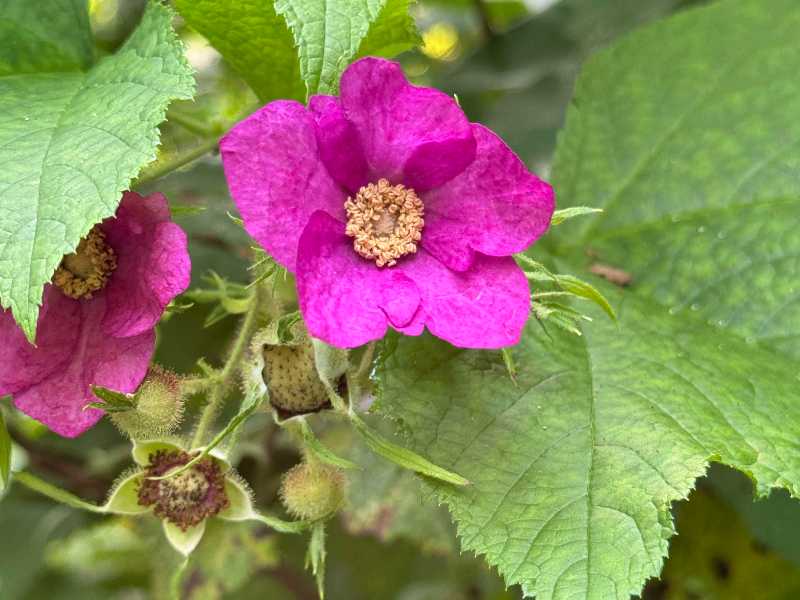
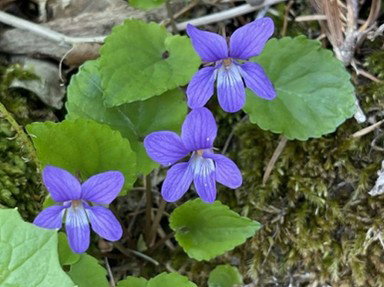
1. Purple flowering raspberry

The scientific name for this plant is Rubus odoratus. Unlike most raspberry plants, it does not have thorns. The plant is native to the eastern portion of North America, from Ontario in Canada and Wisconsin in the US down as far as Georgia. It has become naturalized in parts of Washington state in the US. The fruit is a flattish raspberry, and tastes much the same as other varieties.
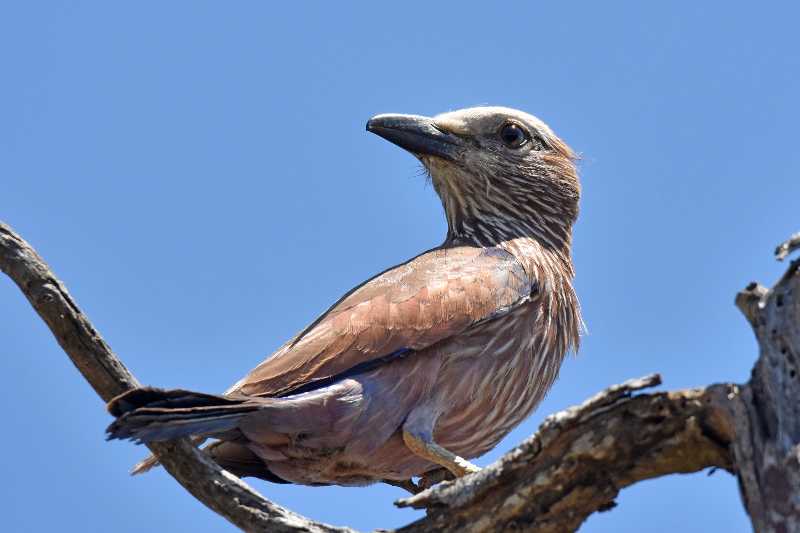
2. Purple roller

Less well-known than its cousin, the lilac-breasted roller, this bird (scientific name Coracias naevius) is also native to sub-Saharan Africa. It has also been called the rufous-crowned roller, which may be more evident - the purple is seen in the undertail coverts and the wing edges.

It is a chunky bird, largest of the rollers. It is found perched atop vegetation in the thorn scrub, looking for insects and other small prey.
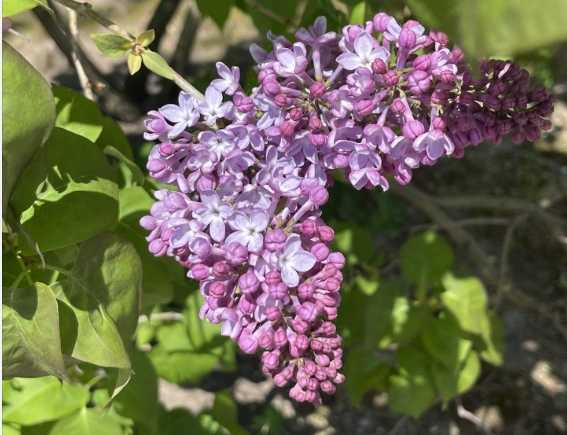
3. Lilac

A popular decorative plant with a delightful aroma, there are different species of lilac, all in the genus Syringa. The flowers vary in color depending upon the specific type, most are shades of purple, including the eponymous lilac hue. Originally native to southeastern Europe and Asia, it is commonly grown in many areas with the right climate.
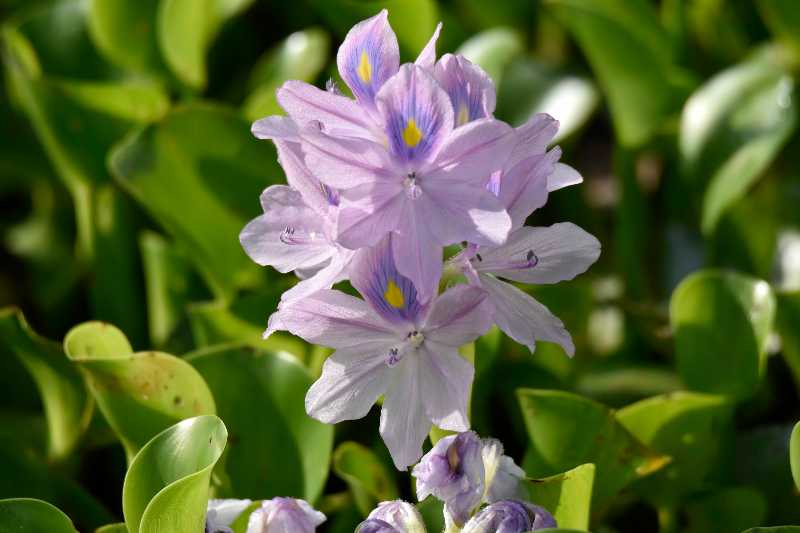
4. Water hyacinth

This plant, although beautiful, is a menace. Originally native to the Amazon basin, it has become invasive in other areas and chokes out native plants and the fauna that depend on them and makes boat travel hazardous. It also helps bodies of water dry up by sequestering the water. It grows and spreads very quickly, and its seeds remain viable for decades. It is able to clone itself and is thus not reliant on native pollinators. Chemical, mechanical and biological control methods have been tried.

Hyacinth is a shade of purple based on a common variety of the bulb flower hyacinth, not the water hyacinth shown in this question.
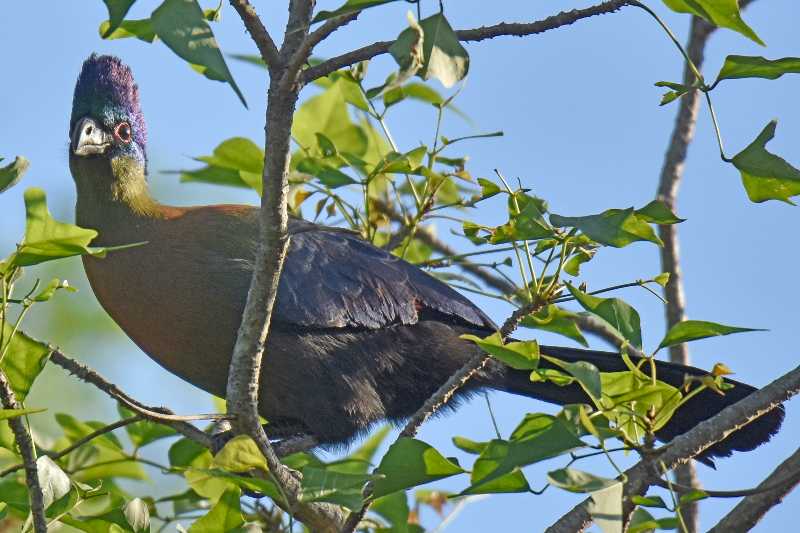
5. Purple-crested turaco

This turaco, Gallirex porphyreolophus, is native to southeastern Africa. It has iridescent feathers, including the purple crest in its name. When it flies, there are red panels exposed on the wings. It is a large, clumsy appearing bird that is best spotted in thickets. Turacos are one of the few birds with true pigment in their feathers rather than color produced by the reflection of light.

They predominantly consume fruit. The word "turaco" is an onomatopoetic reference to the alarm calls produced by several species.
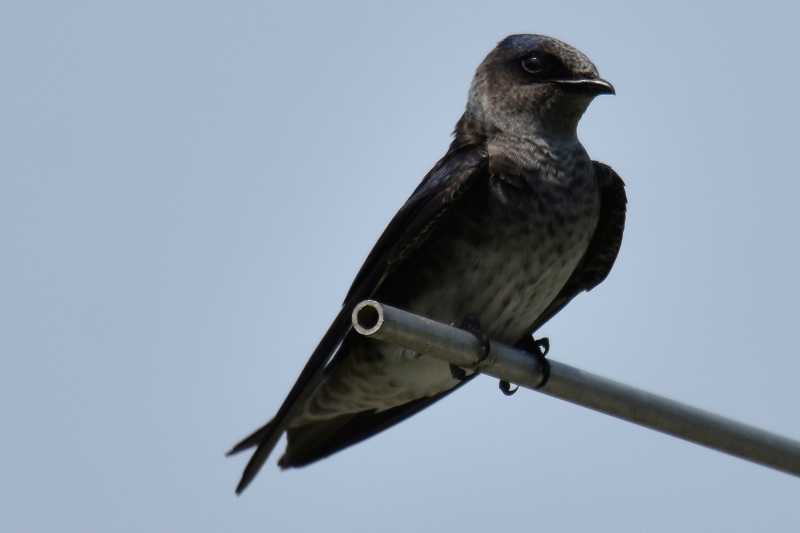
6. Purple martin

This large swallow is native to much of the US and Central America, with some populations extending into Canada, Alaska and South America. At close range the male's iridescence could be seen as purple or a dark shade of blue. Females are much more dull in coloration.

Many people erect martin houses - condominiums for these gregarious birds, who eat prodigious amounts of flying insects. During fall migration, they gather and roost in large numbers - "martin parties" attract birders to the spectacle.
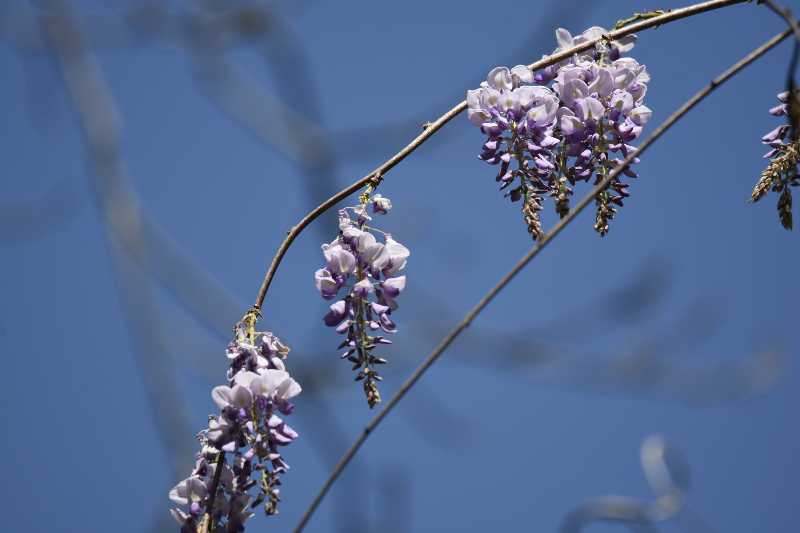
7. Wisteria

The color wisteria is a light pastel purple. The plant is actually a legume, growing usually as a woody vine. The genus includes species native to parts of Asia and North America, but they have been introduced in parts of Europe. Most plants bloom with flowers in the color shown, but cultivars exist with a wide range of colors including white and pink.

The plants climb freely, and are popularly used to decorate arbors.
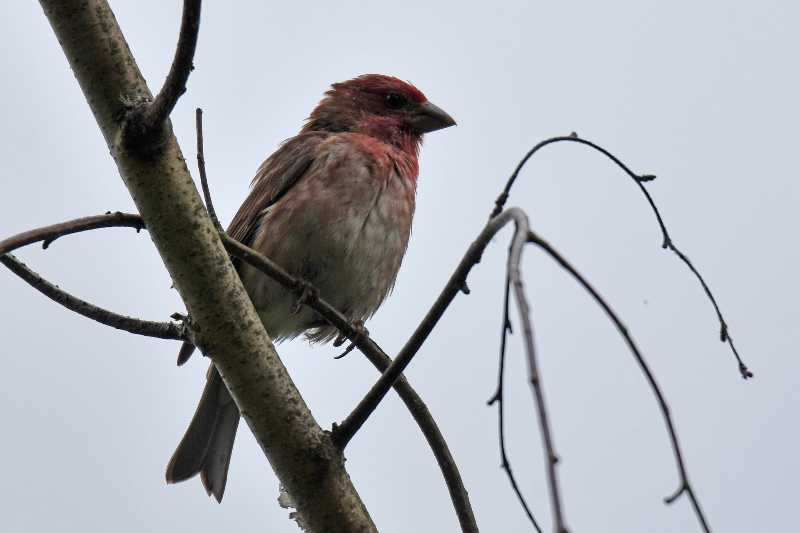
8. Purple finch

The purple finch, Haemorhous purpureus, is often confused with the more common house finch, but the birds are generally more colorful and do not have streaking on their flanks. They can be found throughout North America, but tend to prefer more northern but non-arctic regions.

They breed generally in coniferous forests. The "purple" in their name is fairly close to "raspberry" in color. Seed-eaters, they will visit bird feeders.
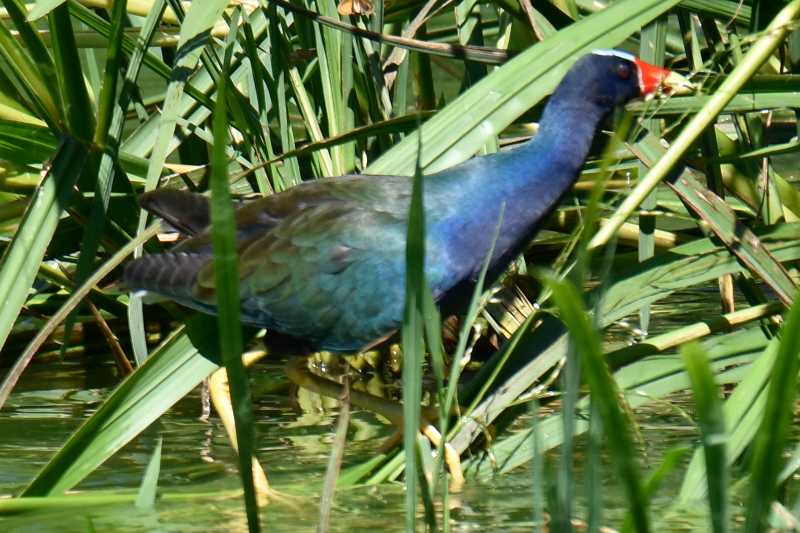
9. Purple gallinule

The gallinules are chicken-like birds in the rail family. The purple gallinule (Porphyrio martinica) is found in marshy habitats throughout the Americas, but predominantly on the eastern half of North America, southern Central America and the northern portion of South America, reflecting the availability of suitable habitat.

This iridescent bird flashes purple, blue and green in the light and has a light blue frontal shield with a red and yellow bill. Long legs and long, thin feet allow it to walk atop lily pads and other floating vegetation. Omnivores, they eat aquatic flora and fauna.
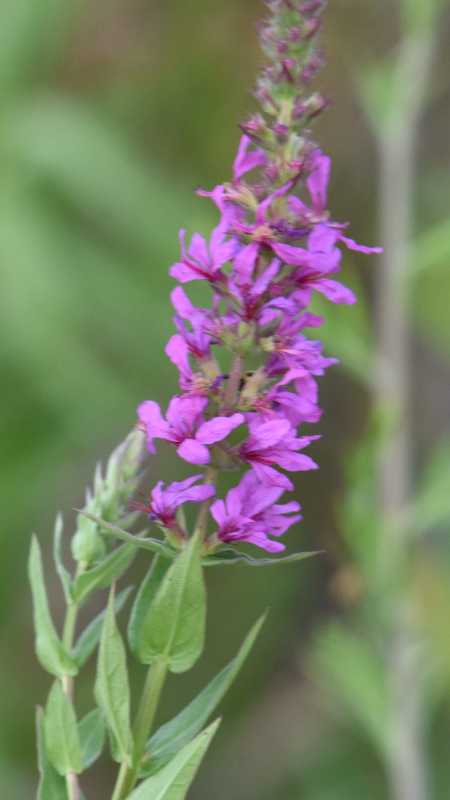
10. Purple loosestrife

Another widely invasive plant, purple loosestrife (Lythrum salicaria) is native to Eurasia and northern Africa. Its ability to form clonal colonies accounts for its ease of spread. It is now found on every continent except Antarctica. Cultivars have coloration varying from pink to purple. Pollinated by bees and butterflies, they are popular with apiarists and lepidoterists.
Source: Author pusdoc

This quiz was reviewed by FunTrivia editor agony before going online.
Any errors found in FunTrivia content are routinely corrected through our feedback system.
Related Quizzes
1. Purple Mania Average
2. The Color Purple Average
3. I've Hit a Purple Patch Average
4. The Colour Mauve Difficult
5. Purplely Correct Average
6. The Royal Purple Tough
7. We'll Gather Lilacs Average
8. Purple by Another Name Very Easy
9. Purple Haze All in My Eyes Easier
10. In Praise of Purple Average
11. When Will It Rain Purple? Average
12. Grape Expectorations Average

8/31/2026, Copyright 2026 FunTrivia, Inc. - Report an Error / Contact Us