Jambalaya is a Louisiana dish that reflects a mix of French, Spanish, and African influences. Common proteins include chicken, sausage (especially andouille), and shrimp. The dish also includes vegetables like onions, bell peppers, and celery, along with spices and rice cooked together in one pot.
There are generally considered to be two main types: Creole jambalaya, which includes tomatoes and has a slightly red color, and Cajun jambalaya, which does not use tomatoes and instead has a deeper, brown color.
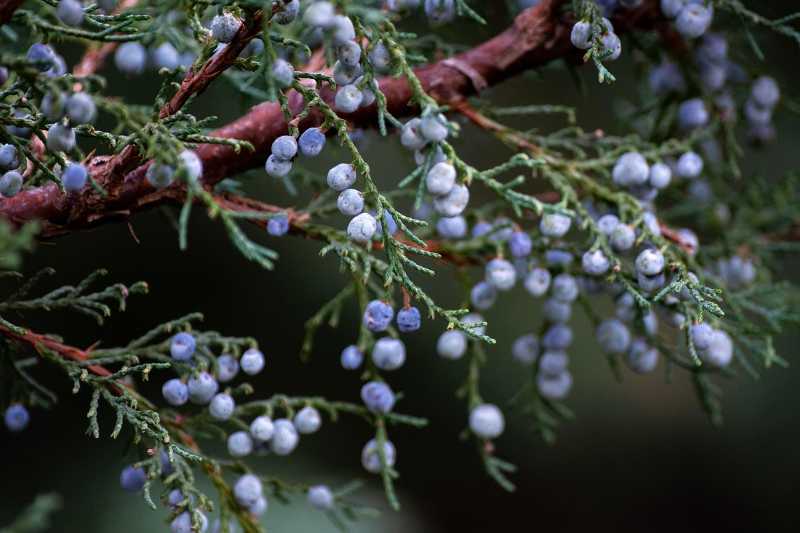
2. juniper
The juniper plant is native to Europe, North America, and parts of Asia. Its berries have been used for centuries in traditional medicine, where they were believed to help with digestion and act as a natural antiseptic.
Juniper berries have a sharp, pine-like flavor. One might recognize that as the primary flavor of gin, for which juniper berries are used to craft, in addition to certain types of wine and liqueurs. When cooking with them, they are often crushed and used in marinades or sauces for meats such as venison, pork, and wild game.
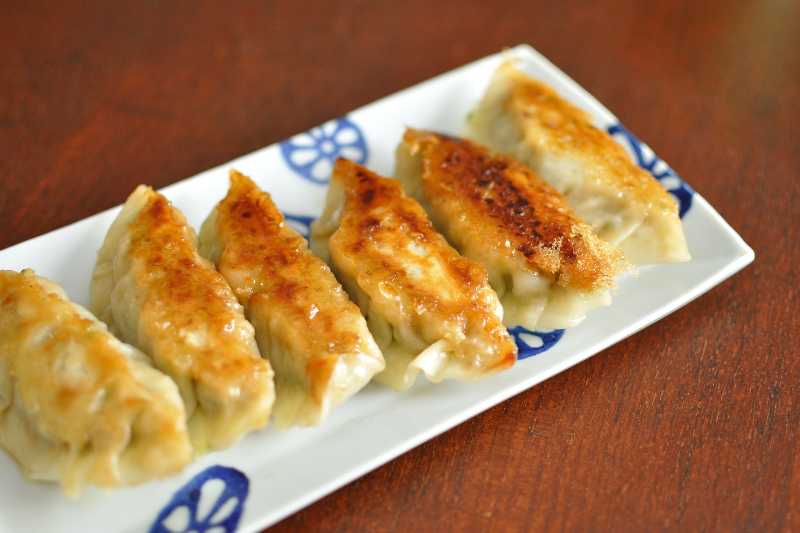
3. jiaozi
Jiaozi are traditional Chinese dumplings, usually served with dipping sauces made from soy sauce, vinegar, garlic, or chili oil. They are filled with minced meat such as pork, chicken, or beef, along with vegetables like cabbage and chives. These ingredients are then wrapped in thin dough and boiled, steamed, or pan-fried.
These delicious dumplings are closely related to Japanese "gyoza" and Korean "mandu," which were both influenced by Chinese dumpling traditions but have since developed their own flavors, such as "kimchi mandu" in South Korea. In English, pan-fried jiaozi are often called "potstickers," but this term more accurately refers to "guotie," a specific type of northern Chinese dumpling rather than all pan-fried jiaozi.
4. jagerschnitzel
Jägerschnitzel, or "hunter's schnitzel," is a German dish typically made with breaded and pan-fried pork, or sometimes veal. It is known for its rich mushroom gravy (called jägersauce), typically made with either cream or wine. This dish is sometimes served with fresh vegetables, but more often comes with starchy sides such as potatoes, noodles, or fries.
Jägerschnitzel differs from the more widely known Wiener schnitzel, which is traditionally made with veal and served plain with a light garnish like lemon. In former East Germany, a different version of jägerschnitzel grew in popularity, this one made with slices of breaded and fried jagdwurst (a type of sausage) and served with a tomato-based sauce and pasta.
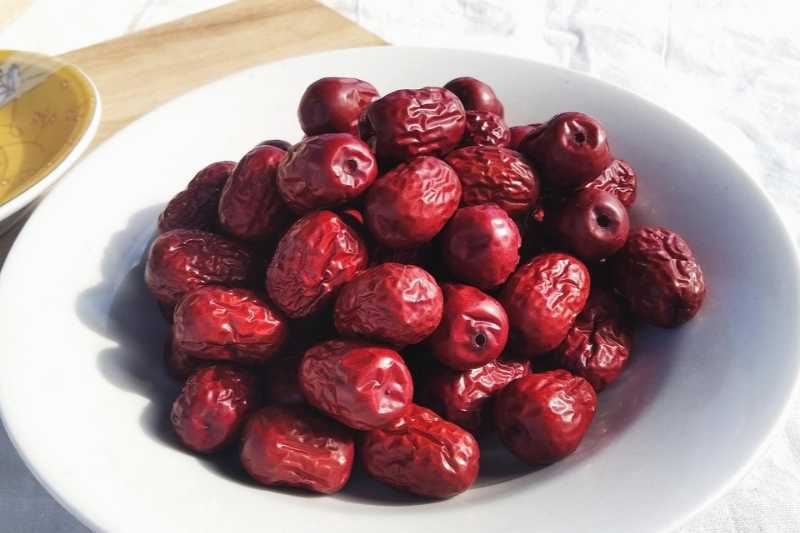
5. jujube
The jujube is a small, oval fruit that is widely grown and eaten in East Asia, the Middle East, and parts of the Mediterranean. It is sometimes called the "red date" because it turns from green to a reddish-brown color as it ripens. Dried jujubes (as seen in the photo) are especially popular and have a chewy texture. Beyond being eaten by hand as a snack, this fruit is sometimes used in teas, soups, and desserts.
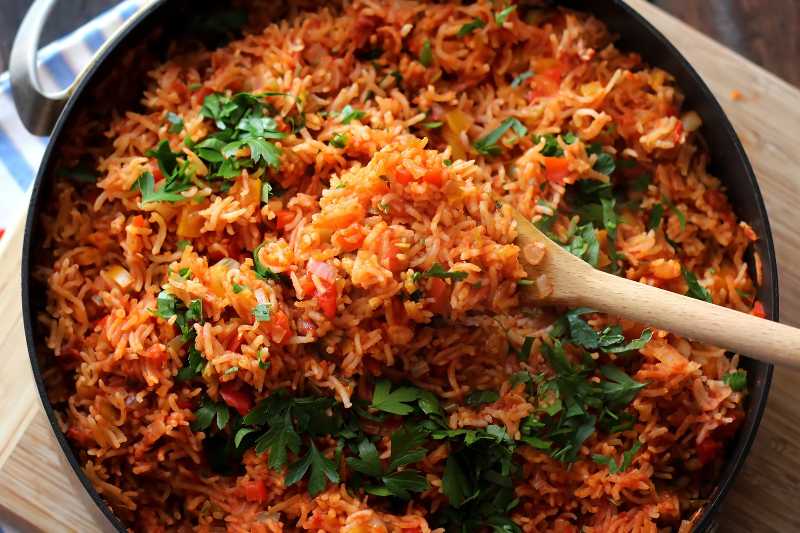
6. jollof
Jollof rice is a popular West African dish believed to be named after the Jolof (or Wolof) Kingdom, which once existed in parts of present-day Senegal and Gambia. It is typically made with long-grain rice cooked in a tomato-based sauce that includes various vegetables and spices. Sometimes meat or fish are added.
Jollof rice is especially popular in countries like Nigeria, Ghana, and Senegal, and each region has its own variation. This has led to the so-called "jollof wars," a friendly rivalry between Nigeria and Ghana over which country makes the best version.
7. jerk chicken
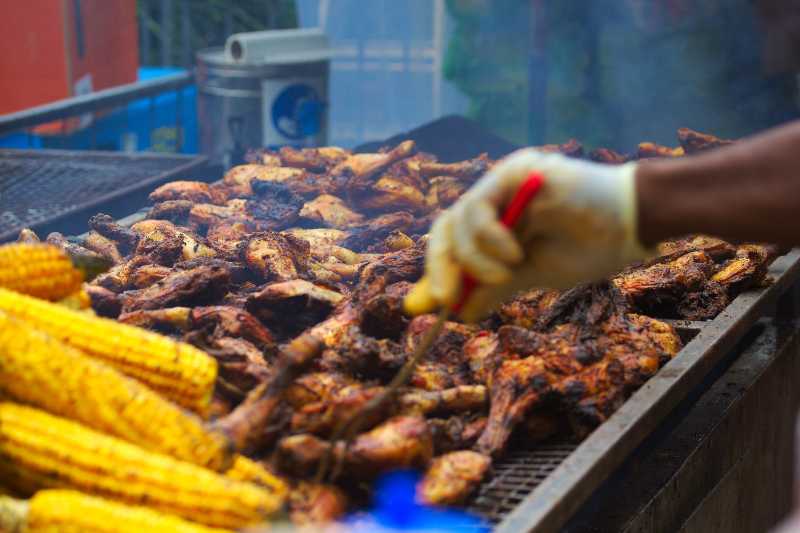
Jamaican jerk is a traditional cooking style used to season and cook chicken or pork. The method involves coating the meat in a spicy marinade or dry rub made with ingredients such as allspice, Scotch bonnet peppers, thyme, garlic, ginger, and green onions. The meat is then grilled slowly over a fire, using pimento wood.
Jerk cooking has roots in the practices of the Maroons, descendants of enslaved Africans. In more recent years, Jamaica has taken steps to protect the cooking style through geographical-indication status, officially registering "Jamaica Jerk" so that the name is tied to products made in Jamaica.
8. jalebi
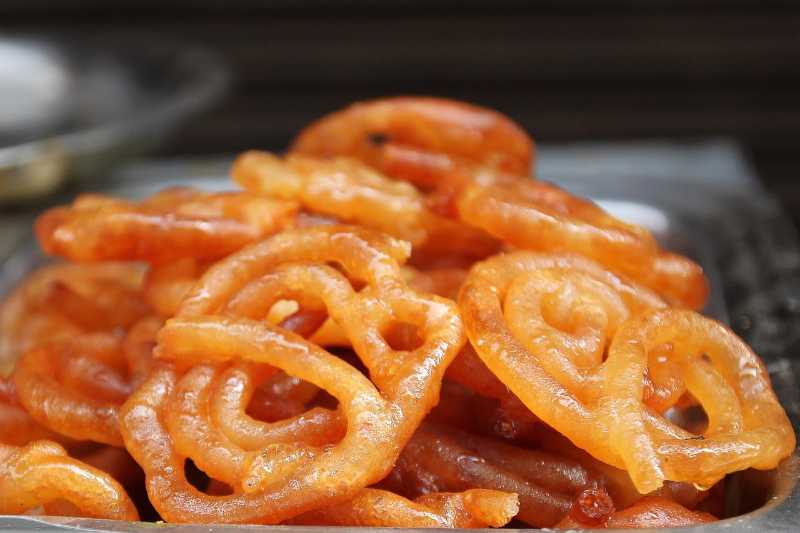
Jalebi is a popular sweet in South Asia and the Middle East, with origins that can be traced back to at least the 10th century, when similar recipes appeared in early Arabic and Persian texts. It is bright orange or yellow in color and is usually spun into spiral or pretzel-like shapes or coiled into circles while cooking.
This popular dessert has a crispy exterior and a juicy, syrup-soaked interior, made by piping a fermented batter into hot oil. The fried pieces are then soaked in sugar syrup flavored with ingredients like saffron or cardamom. It is commonly sold by street vendors.
9. jalapeno
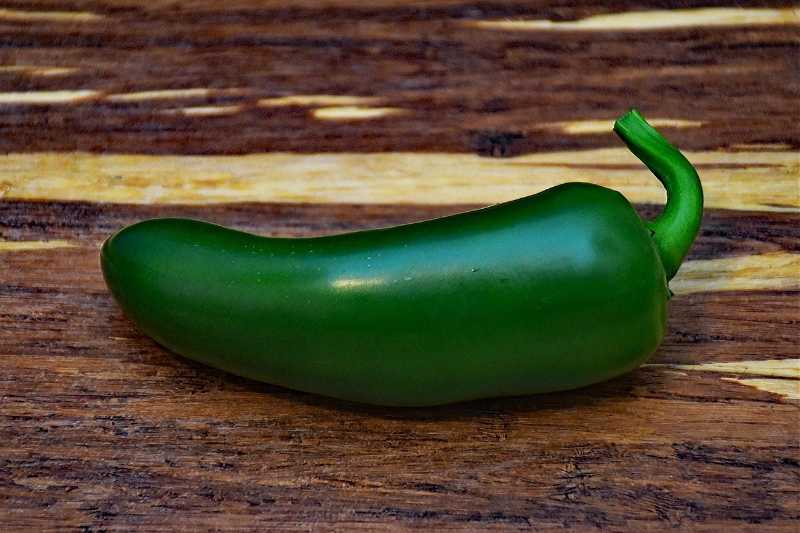
Jalapeņos are chili peppers native to Mexico, named after the city of Xalapa in the state of Veracruz. They were used by the Aztecs long before the arrival of the Spanish, who later helped spread chili peppers around the world. Compared to other chili peppers, they have a mild to moderate heat level.
Jalapeņos are one of the most widely cultivated chili peppers in the world, especially in Mexico and the United States. They are pervasive in Mexican and Tex-Mex cuisine, and have made their way into numerous U.S. recipes, including in sandwiches like the Philly cheesesteak. In addition to that, if you are ever cooking a recipe that calls for chipotle peppers, you are also using jalapeņos--a chipotle is simply a smoke-dried jalapeņo.
10. jicama
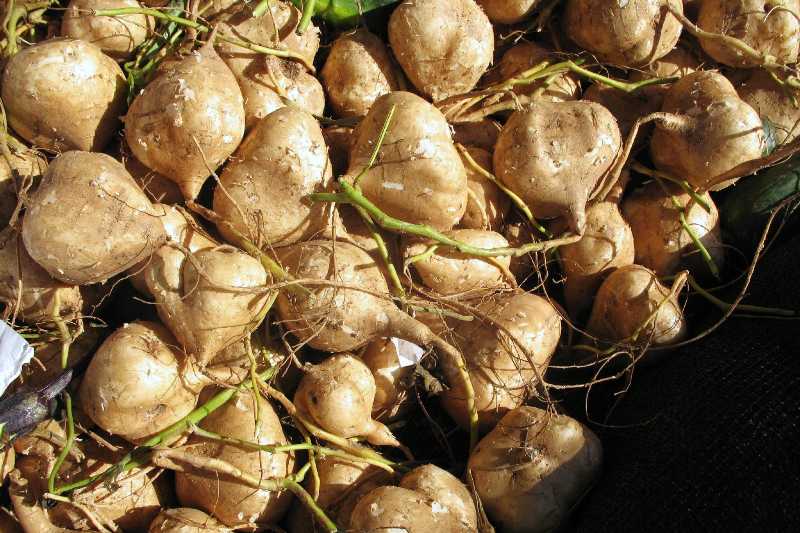
The jicama is a crunchy root vegetable native to Mexico and Central America, sometimes called a "Mexican turnip" because of its round shape. However, jicamas actually belong to the pea family. The part that people eat is the tuber, with the rest of the plant, including the seeds and leaves, being poisonous, similar to how parts of the potato plant are not safe to eat.
The jicama later spread to Asia through Spanish trade routes, especially during the colonial period. It became particularly popular in the Philippines, where it is eaten raw as a snack, added to salads, and used as an ingredient in spring rolls.
11. julep
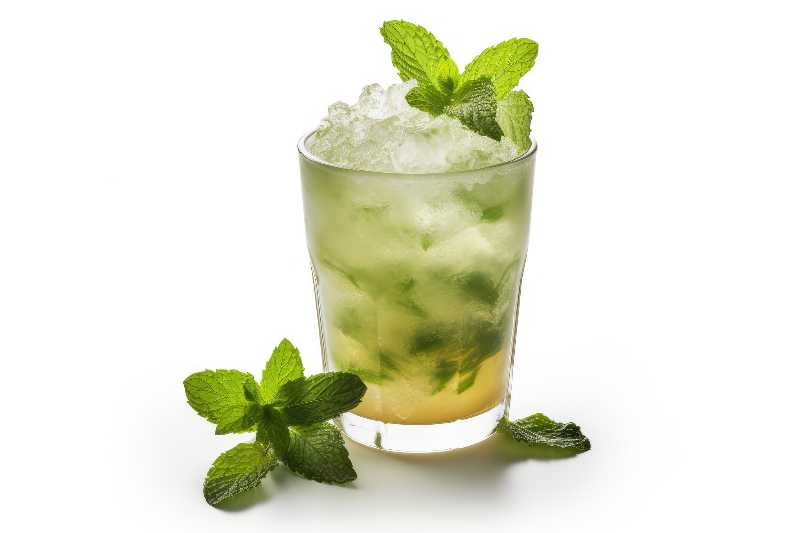
Generically, a julep refers to a type of drink that dates back several centuries, but it is now most famously associated with the mint julep, a classic American cocktail. The mint julep is made with bourbon, sugar, water, and fresh mint (often spearmint).
In the bartending world, this beverage is considered a type of "smash," a style of cocktail that involves muddling herbs or fruit with sugar and spirits. If you ever find yourself at the Kentucky Derby, consider ordering a mint julep, as this beverage has deep roots at that event.
12. jackfruit
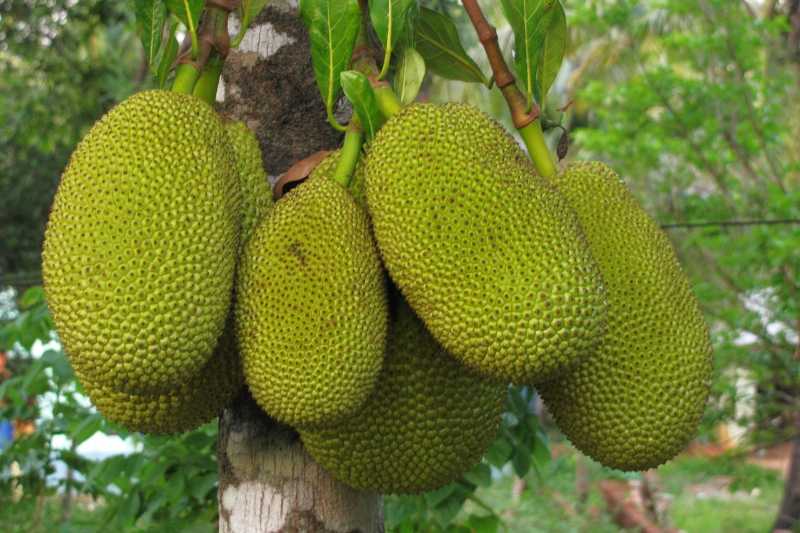
Often confused with the durian or the breadfruit, jackfruit is a large tropical fruit native to South and Southeast Asia. It is commonly eaten in countries such as India, Bangladesh, Thailand, and Indonesia. The fruit is made up of many fleshy pods surrounding large seeds, and it can be eaten fresh or cooked in curries, stews, or desserts. Ingredients like coconut milk, spices, and sugar are often used in recipes featuring it.
Jackfruit is the national fruit of Bangladesh, where it is widely grown and commonly sold in local markets during the summer season.
This quiz was reviewed by FunTrivia editor Bruyere before going online.
Any errors found in FunTrivia content are routinely corrected through our feedback system.