FREE! Click here to Join FunTrivia. Thousands of games, quizzes, and lots more!
Quiz about When I Survey the Wondrous Cross

When I Survey the Wondrous Cross Quiz


When theologian and hymn writer Isaac Watts surveyed the wondrous cross, he likely had the familiar Latin cross in mind. Yet many other Christian cross designs have developed across centuries and cultures. Can you identify these 12 by name?

by reedy. Estimated time: 3 mins.
  1. Home
  2. »
  3. Quizzes
  4. »
  5. Religion Trivia
  6. »
  7. Religion Mixture
  8. »
  9. Religious Symbols

Author
reedy
Time
3 mins
Type
Quiz #
425,063
Updated
Jul 29 26
# Qns
12
Difficulty
New Game
Plays
11
Last 3 plays: DizWiz (8/12), Jooga1 (4/12), Guest 142 (12/12).
Drag-Drop or Click from Right
Options
Slavonic Cross Papal Cross Lorraine Cross Evangelist's Cross Jerusalem Cross Maltese Cross St. Peter's Cross Byzantine Cross St. Andrew's Cross St. Brigid's Cross Moline Cross Celtic Cross


 View Image Attributions for This Quiz

Most Recent Scores
Today : DizWiz: 8/12
Jul 29 2026 : Jooga1: 4/12
Jul 29 2026 : Guest 142: 12/12
Jul 29 2026 : Guest 109: 1/12
Jul 29 2026 : NeuralSpicy: 0/12
Jul 29 2026 : lethisen250582: 12/12
Jul 29 2026 : spanishliz: 3/12
Jul 29 2026 : gracemercy1: 12/12
Jul 29 2026 : snhha: 12/12

Quiz Answer Key and Fun Facts
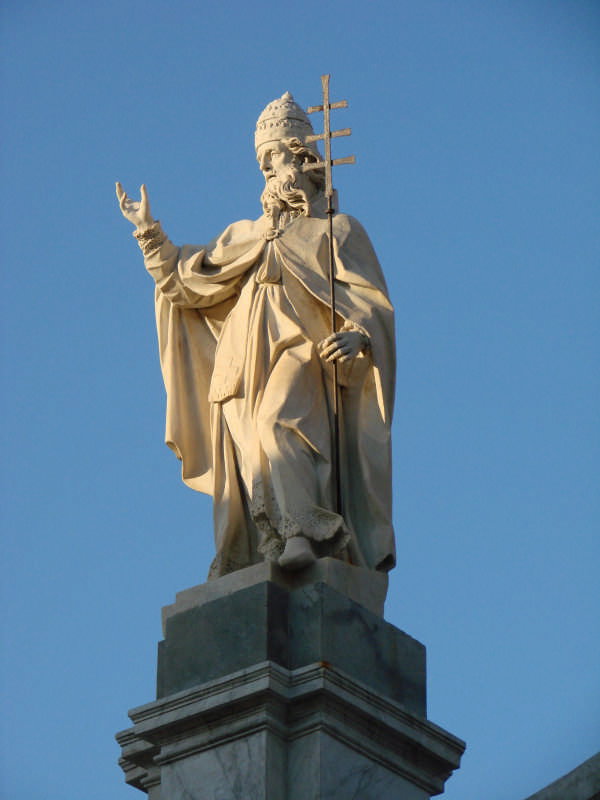
1. Papal Cross

With its three horizontal bars, the Papal Cross is a symbol of the office of the Pope. The bars are often interpreted as representing authority in the Church, the world, and heaven. This form developed in medieval Rome, especially between the 13th and 15th centuries, when distinctive symbols were increasingly used to identify different levels of church leadership. Alongside the crossed keys of Saint Peter and the papal tiara, the Papal Cross remains one of the most recognizable emblems of the papacy.
2. St. Peter's Cross

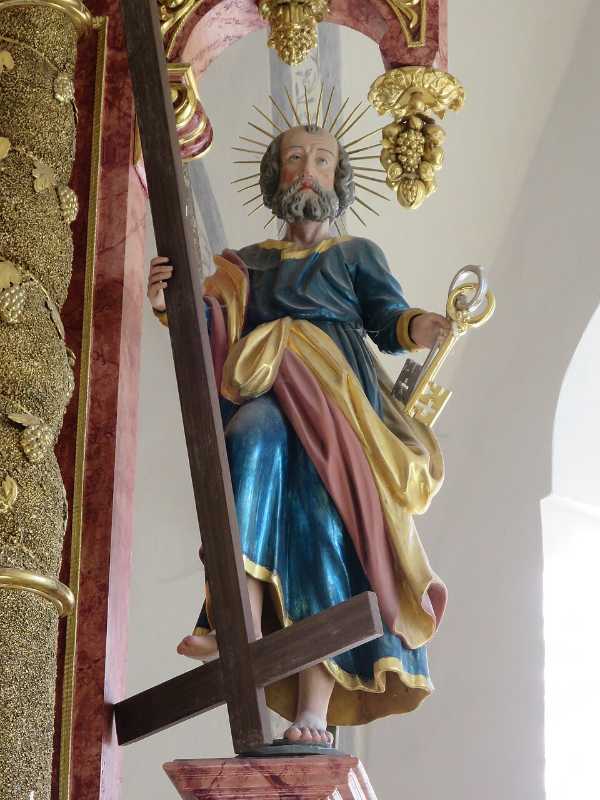
The upside-down cross is traditionally linked to Saint Peter. Early Christian tradition holds that Peter was martyred in Rome during Nero's persecution following the Great Fire of AD 64, with most historians placing his death between AD 64 and 67. Tradition further maintains that he requested crucifixion upside down because he did not consider himself worthy to die in exactly the same manner as Christ.

By the Middle Ages, the inverted cross had become a symbol of humility, discipleship, and Peter's special place among the apostles.
3. Evangelist's Cross

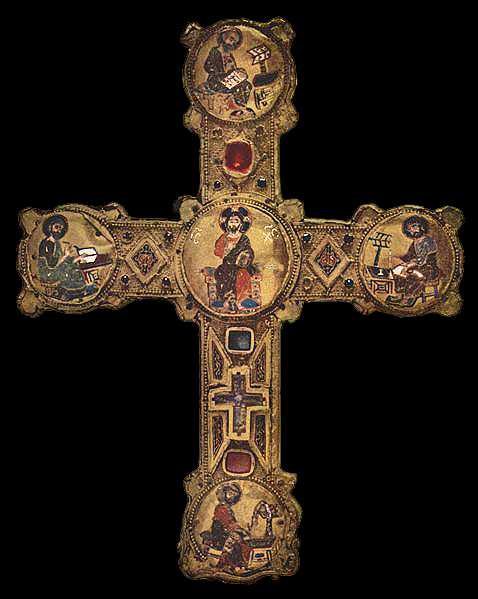
The Evangelist's Cross incorporates the traditional symbols of the four Gospel writers: Matthew, Mark, Luke, and John. These images originated in early Christian interpretations of the books of Ezekiel and Revelation and were already widespread by the 4th and 5th centuries. The cross serves as a reminder that the story of Christ was preserved and proclaimed through the four Gospels.
4. Jerusalem Cross

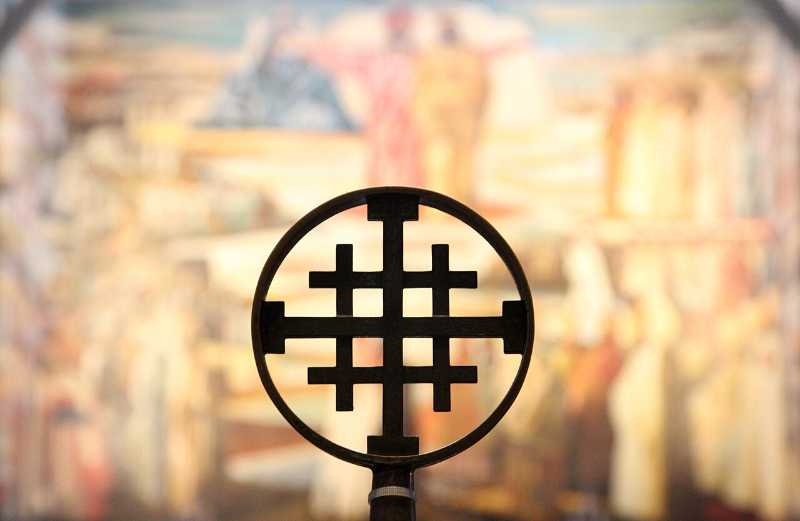
A large central cross surrounded by four smaller ones forms the Jerusalem Cross. It became famous after the establishment of the Crusader Kingdom of Jerusalem in 1099 and appeared on its coats of arms and banners. Christians have variously interpreted the five crosses as Christ and the four Evangelists or as the spread of Christianity from Jerusalem to the four corners of the world.
5. St. Andrew's Cross

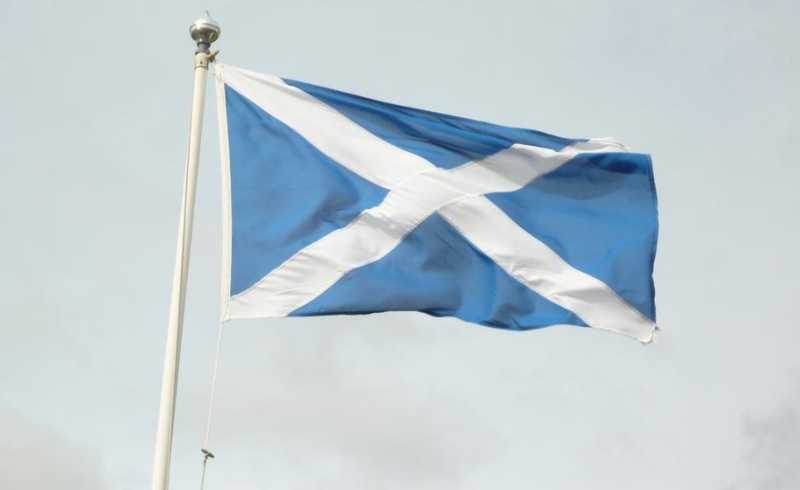
The distinctive X-shaped cross, known as a saltire, commemorates Saint Andrew. Tradition holds that he was executed on such a cross in Patras, Greece, during the 1st century. The symbol later became important throughout Eastern Christianity and in Scotland, where Andrew became the national patron saint and the saltire was adopted as the national flag.
6. St. Brigid's Cross

Made by weaving rushes around a square centre, St. Brigid's Cross is a familiar sight in Irish homes. It is connected with St. Brigid of Kildare, a 5th-century Irish saint, although its design likely evolved from older Celtic symbols associated with light and the sun. Over time it became a Christian emblem of blessing and protection, traditionally hung near a doorway.
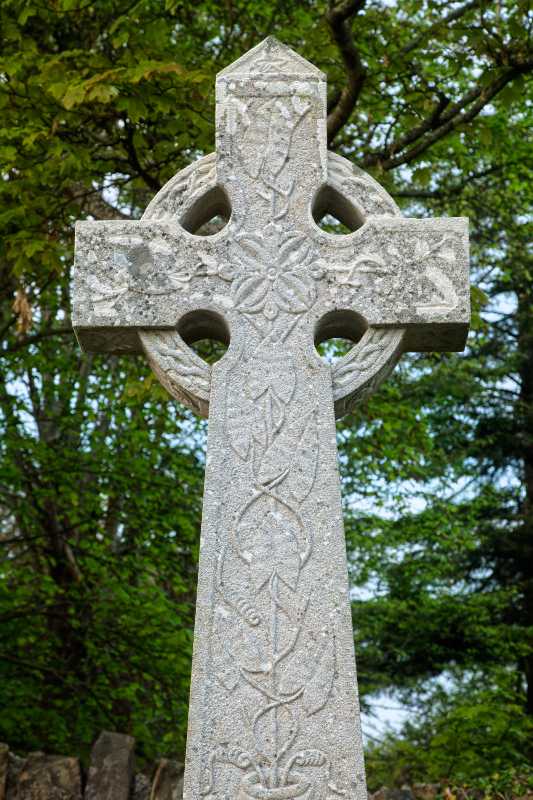
7. Celtic Cross

The ringed cross found throughout Ireland and Scotland is one of Christianity's most recognizable regional symbols. The earliest surviving stone examples date from about the 8th century, although legends connect the form with St. Patrick centuries earlier. The circle has been interpreted as a halo, a symbol of eternity, or the incorporation of older Celtic imagery into Christian art.
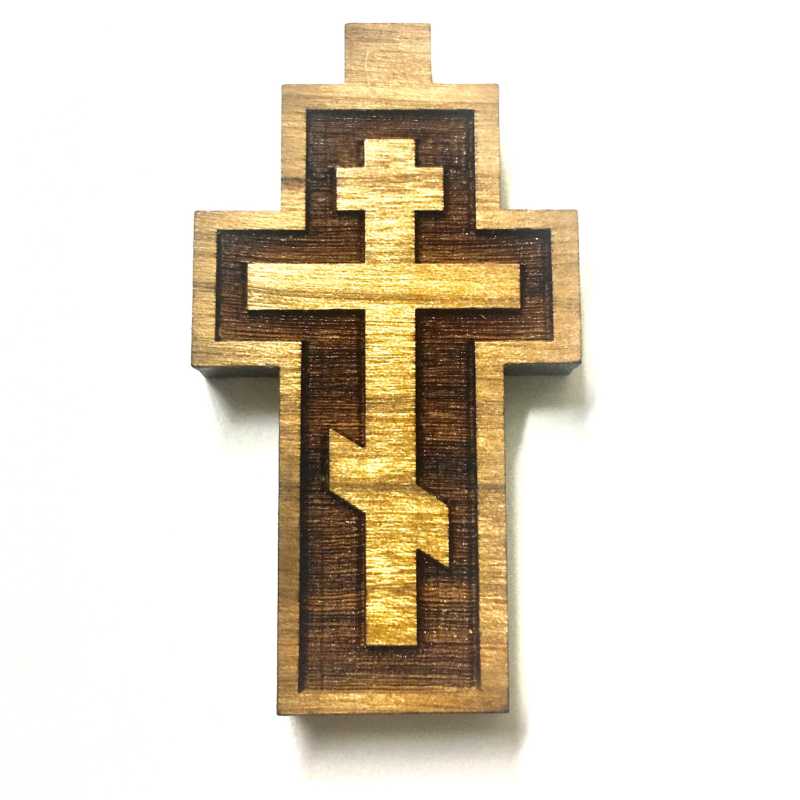
8. Slavonic Cross

The Slavonic Cross, often seen atop Russian Orthodox churches, spread throughout the Christian East after the conversion of Kievan Rus' in AD 988. Unlike the standard Latin cross, it has three horizontal bars: the upper, shorter bar represents the inscription placed above Christ's head reading "Jesus of Nazareth, King of the Jews" (INRI); the middle bar is the crossbeam to which Christ's arms were nailed; and the lower slanted bar reflects the footrest used in Roman crucifixions, which helped support the victim's weight and prolong suffering.

In Orthodox tradition, the slanted lower bar carries several layers of meaning. The upward-pointing side, on Christ's right, symbolizes the repentant thief who accepted Christ and entered Paradise, while the downward-pointing side, on His left, represents the unrepentant thief who rejected salvation. The tilted bar is also seen as a spiritual scale, reminding believers that each person must choose between righteousness and sin. Some traditions further hold that the footrest was displaced during Christ's final moments on the cross, accounting for its distinctive angle.
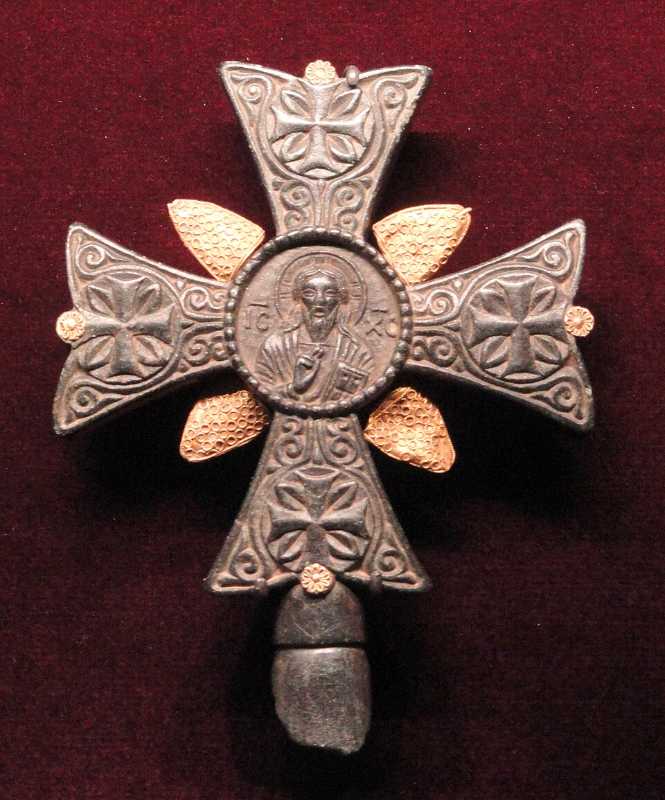
9. Byzantine Cross

The Byzantine Cross broadens toward the ends of its arms and is associated with the traditions of the Eastern Church. It emerged within the Byzantine Empire between the 4th and 7th centuries, after Christianity became the empire's dominant religion. Frequently seen in mosaics, icons, and church decoration, it reflects the Eastern Christian emphasis on Christ's victory over death and the promise of eternal life.
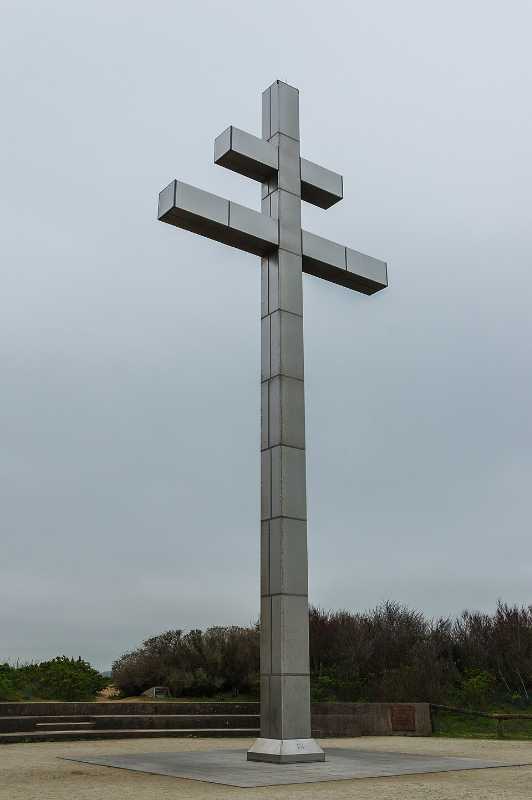
10. Lorraine Cross

The Lorraine Cross contains two horizontal bars. It originated in eastern France, particularly the region of Lorraine, during the late Middle Ages. The form may derive from earlier patriarchal crosses used in the Byzantine East before being adopted by European nobility. Related forms of the cross were carried by crusaders and later adopted by noble families. Centuries later, it became a symbol of the French Resistance and the Free French movement during the Second World War.
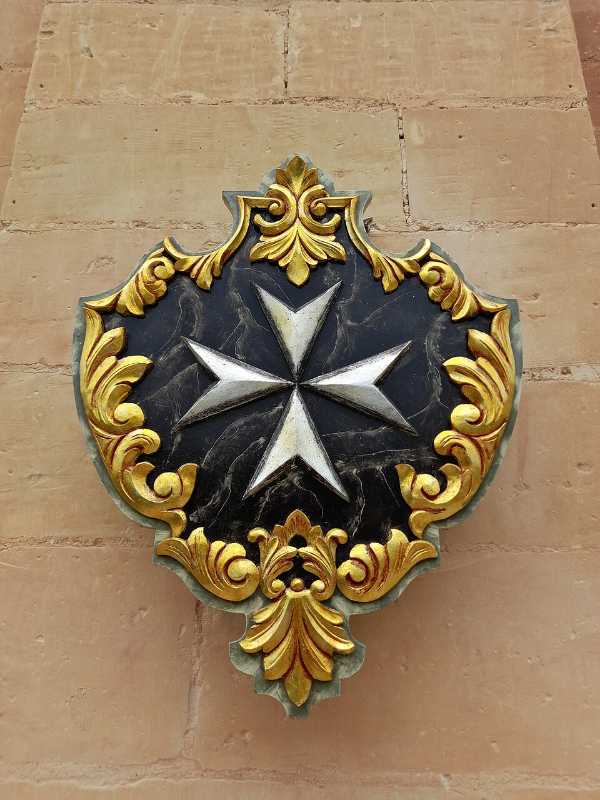
11. Maltese Cross

The Maltese Cross has four V-shaped arms that create eight points. The design developed through the military religious orders of the Crusades, particularly the Knights Hospitaller, who settled on the island of Malta in the 16th century. The eight points came to symbolize eight Christian virtues or the Beatitudes taught by Jesus in the Sermon on the Mount. Today it remains closely associated with Malta and many Christian charitable organizations.
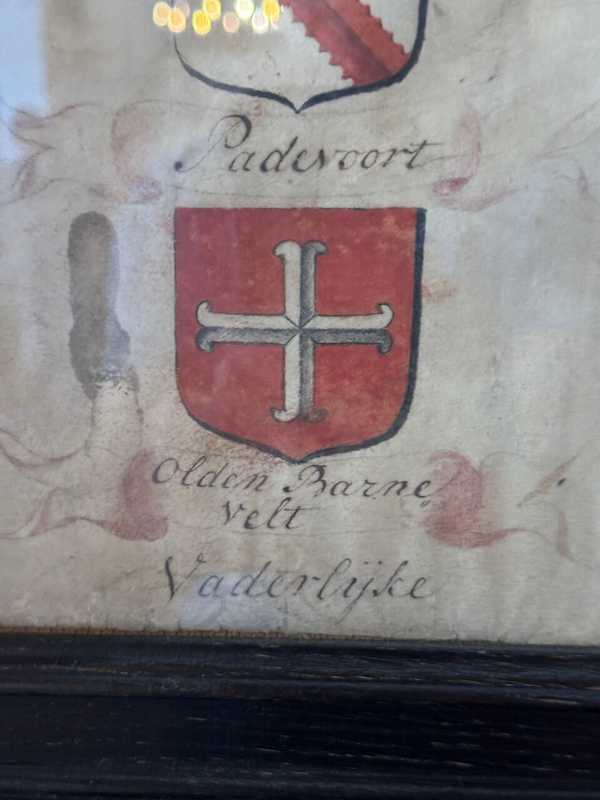
12. Moline Cross

The Moline Cross, also known as the Cross Anchory, is recognized by its forked arms that curve outward at the ends. Its name comes from the Old French moline ("mill"), as the design resembles a millrind, the iron clamp that secured a millstone. Appearing in medieval European heraldry by the 12th and 13th centuries, it was adopted by noble families and later became associated with St. Benedict of Nursia and the Benedictine Order. Today, it remains a distinctive Christian and heraldic symbol, particularly in Benedictine traditions.
Source: Author reedy

This quiz was reviewed by FunTrivia editor looney_tunes before going online.
Any errors found in FunTrivia content are routinely corrected through our feedback system.
7/30/2026, Copyright 2026 FunTrivia, Inc. - Report an Error / Contact Us