FREE! Click here to Join FunTrivia. Thousands of games, quizzes, and lots more!
Ten English Castles Trivia Quiz
With hundreds of castles in the United Kingdom to choose from, the ten selected for this quiz were deliberately picked to represent ten different counties around England. Some are perhaps more recognizable than others... Can you match them all?
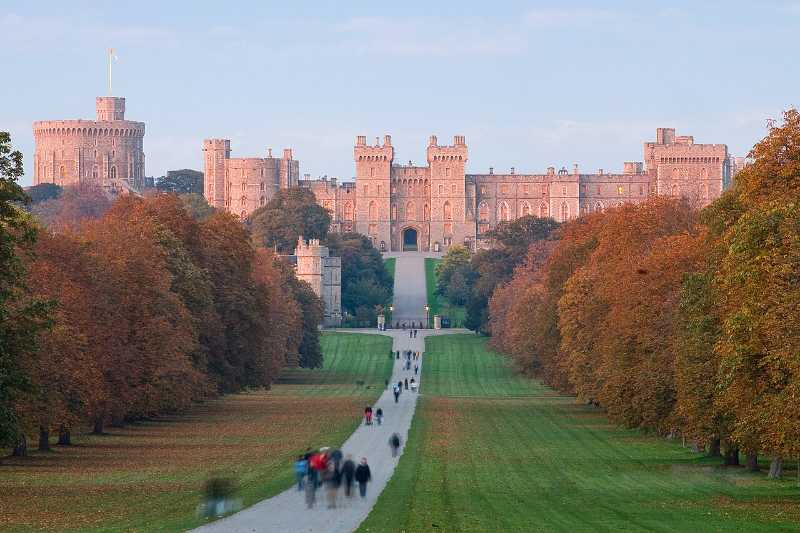
Located in Berkshire, Windsor Castle was founded around 1070 by William the Conqueror as part of a ring of Norman fortifications protecting London. Originally a timber motte-and-bailey castle, it was gradually rebuilt in stone and evolved into a royal palace. Unlike many medieval castles, Windsor never fell into long-term disrepair and has remained a royal residence for nearly a thousand years.
2. Tintagel Castle
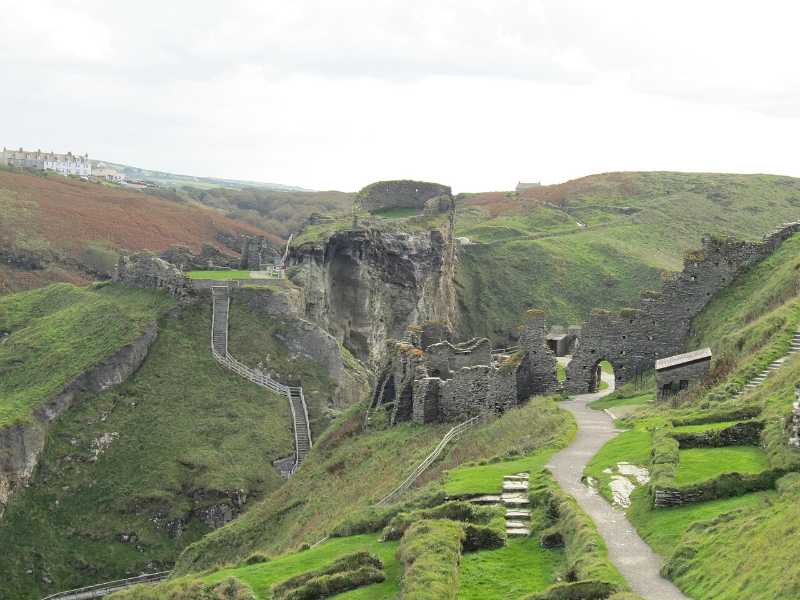
Perched on the coast of Cornwall, Tintagel Castle was built around 1230-1240 by Richard, Earl of Cornwall, who sought to associate himself with the legends of King Arthur. Although the site had been occupied for centuries beforehand, the medieval castle declined after the late Middle Ages and had largely fallen into ruin by the sixteenth century.
3. Bolsover Castle
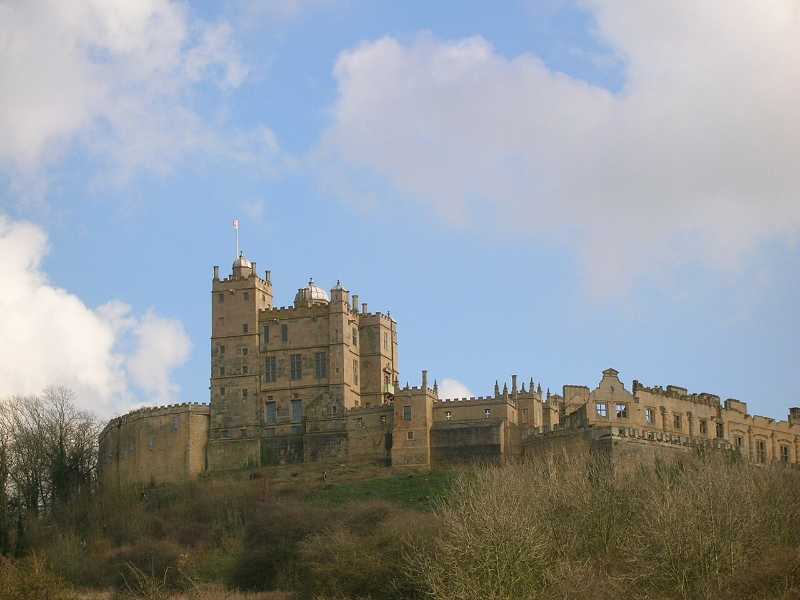
Bolsover Castle stands in Derbyshire on the site of an earlier Norman fortress established by the Peverel family in the twelfth century. The striking castle seen today was largely built in the early seventeenth century by Sir Charles Cavendish and his son William. Following the English Civil War in the mid-1600s, it suffered damage and periods of neglect, though substantial portions survived.
4. Corfe Castle
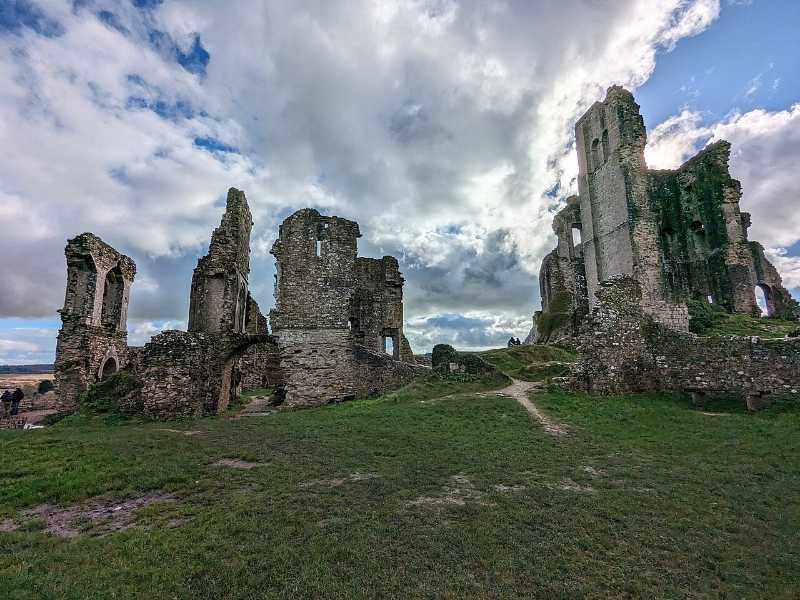
Located in Dorset, Corfe Castle was founded shortly after the Norman Conquest, probably by William the Conqueror, around 1086. It became one of England's earliest major stone castles and served as both fortress and royal stronghold. During the English Civil War, Parliament ordered it slighted (deliberately damaged to be unusable) in 1646, leaving the dramatic ruins visible today.
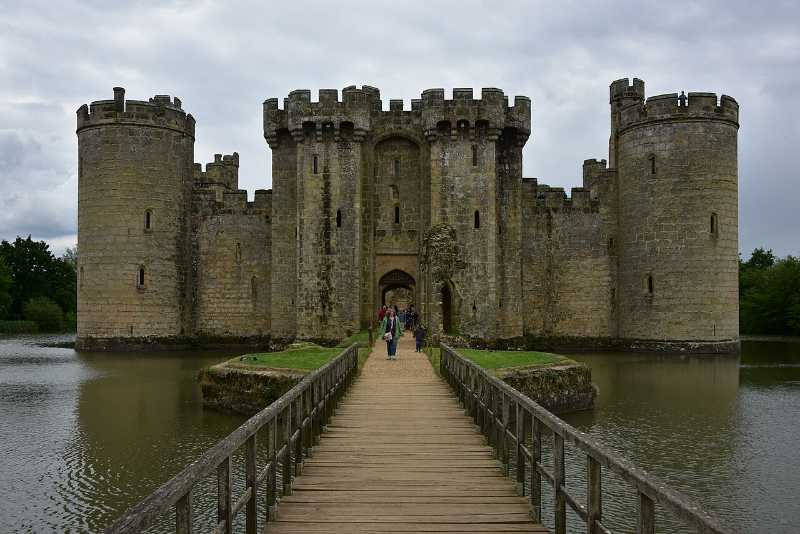
5. Bodiam Castle
Bodiam Castle lies in East Sussex and was built in 1385 by Sir Edward Dalyngrigge, a former soldier seeking permission to fortify his manor against possible French attack. With its moat, towers, and battlements, it epitomizes the classic medieval castle.
The castle fell into ruin after the seventeenth century and remained largely deserted until restoration efforts began in the nineteenth century.
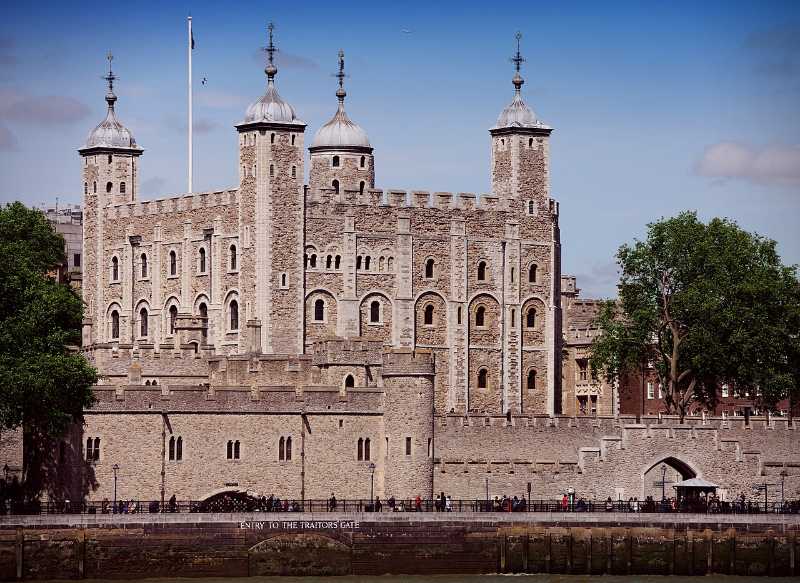
6. Tower of London
Situated in Greater London, the Tower of London was founded by William the Conqueror shortly after 1066. Its central White Tower was constructed in the 1070s and became the nucleus of a vast fortress complex. Although parts of the structure were occasionally neglected, the Tower never became a ruin, serving continuously as a fortress, royal residence, prison, armoury, and ceremonial site.
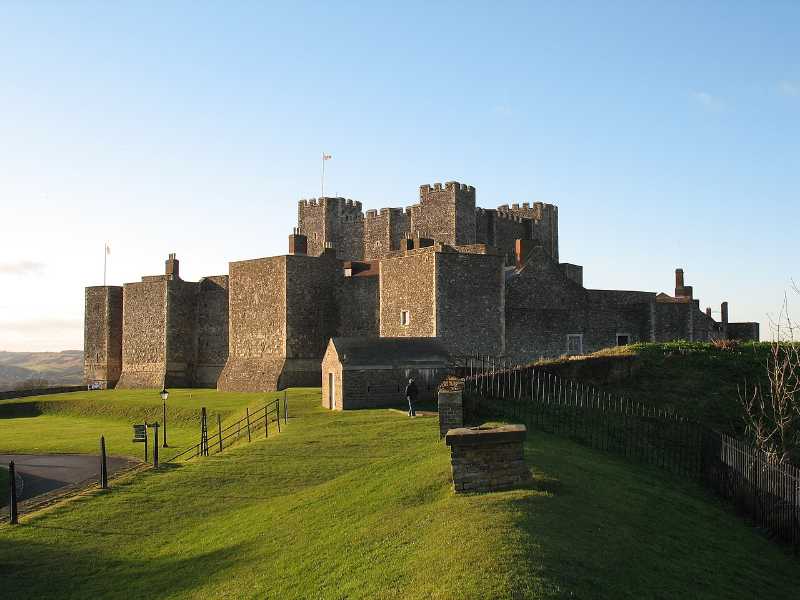
7. Dover Castle
Overlooking the English Channel in Kent, Dover Castle was extensively rebuilt by King Henry II during the 1170s and 1180s, though the site had earlier Roman and Saxon fortifications. Owing to its strategic location, it became known as the "Key to England." Unlike many castles, Dover remained militarily important for centuries and avoided significant long-term disrepair.
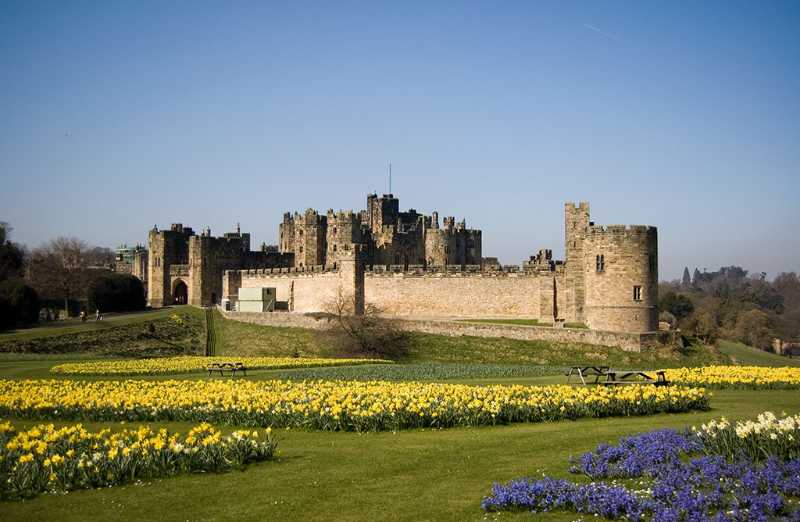
8. Alnwick Castle
Alnwick Castle is located in Northumberland and was founded shortly after the Norman Conquest, probably around 1096, by Yves de Vescy, a Norman baron. It later became the seat of the powerful Percy family, who transformed it into one of northern England's great fortresses. Continuous occupation and maintenance meant that the castle never declined into ruin.
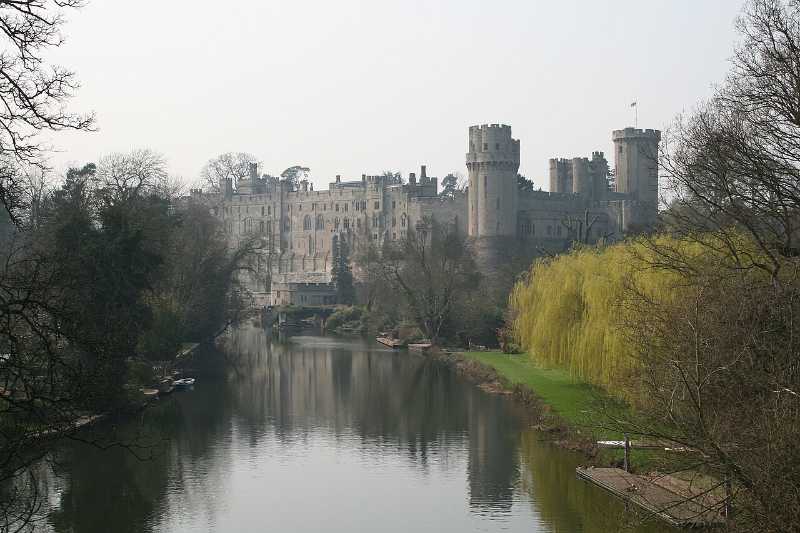
9. Warwick Castle
Standing in Warwickshire, Warwick Castle originated as a motte-and-bailey fortress built by William the Conqueror in 1068. Subsequent earls replaced the timber structures with imposing stone walls and towers, creating one of England's strongest medieval castles. Although its military role faded, the castle remained inhabited and was preserved rather than abandoned.
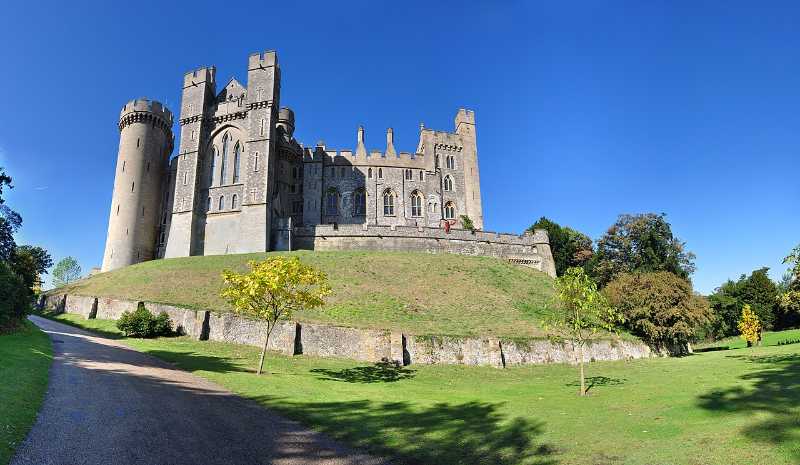
10. Arundel Castle
Arundel Castle, in West Sussex, was founded in 1067 by Roger de Montgomery, one of William the Conqueror's most trusted followers. Built on a commanding hill above the River Arun, it became the seat of the Earls and Dukes of Norfolk. Parts of the castle deteriorated after the Civil War in the seventeenth century, but extensive restoration in the eighteenth and nineteenth centuries returned it to prominence.
This quiz was reviewed by FunTrivia editor stedman before going online.
Any errors found in FunTrivia content are routinely corrected through our feedback system.