FREE! Click here to Join FunTrivia. Thousands of games, quizzes, and lots more!
Quiz about A Stitch in Time

A Stitch in Time Trivia Quiz


Thread, fabric, and creativity come together in countless ways. Though they may appear similar at first glance, each embroidery style has its own identity. Can you tease apart the differences and identify all ten samples correctly?

by reedy. Estimated time: 3 mins.
  1. Home
  2. »
  3. Quizzes
  4. »
  5. Hobbies Trivia
  6. »
  7. Needlework
  8. »
  9. Embroidery

Author
reedy
Time
3 mins
Type
Quiz #
424,196
Updated
Jun 15 26
# Qns
10
Difficulty
New Game
Avg Score
7 / 10
Plays
17
Last 3 plays: james1947 (10/10), kingmama (10/10), Nocy93 (6/10).
Drag-Drop or Click from Right
Options
Cross-stitch Crewel embroidery Satin stitch embroidery Blackwork Appliqué embroidery Goldwork Ribbon embroidery Stumpwork Chain stitch embroidery Hardanger


 View Image Attributions for This Quiz

Most Recent Scores
Today : james1947: 10/10
Today : kingmama: 10/10
Today : Nocy93: 6/10
Today : bernie73: 2/10
Today : Guest 209: 5/10
Today : Lottie1001: 8/10
Today : Guest 97: 6/10
Today : Guest 99: 2/10
Today : Guest 50: 2/10

Quiz Answer Key and Fun Facts
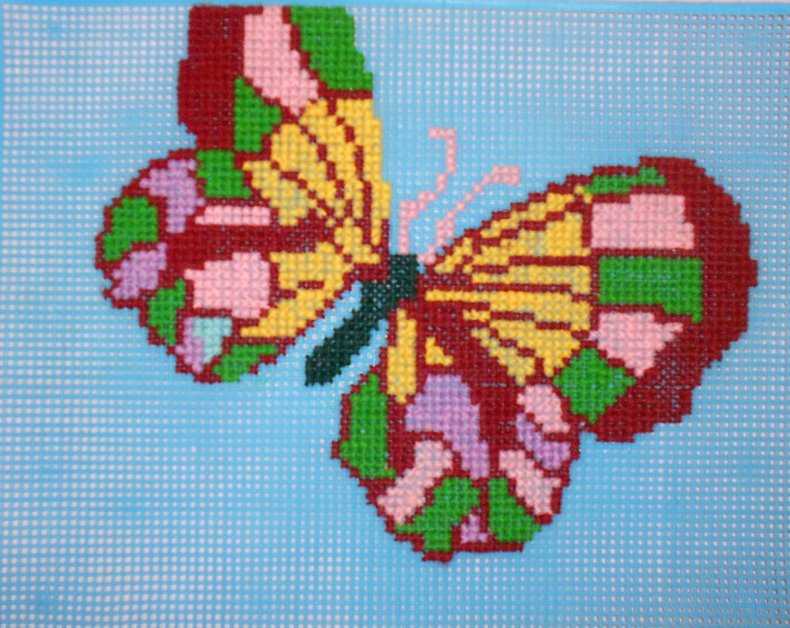
1. Cross-stitch

Cross-stitch is one of the most recognizable forms of embroidery, built from small X-shaped stitches arranged on a grid. Typically worked on evenly woven fabric such as Aida cloth, the technique lends itself well to counted patterns, allowing makers to create precise designs from charts. Its structured nature makes it especially accessible to beginners.

Historically, cross-stitch has roots across many cultures, often appearing in traditional folk textiles. From decorative samplers to modern pixel-like designs, it continues to thrive because of its simplicity and versatility.
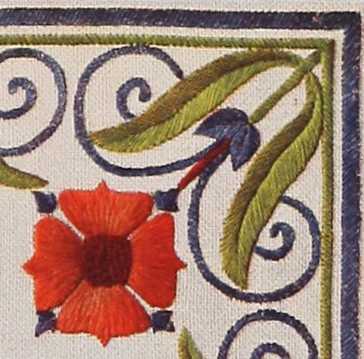
2. Satin stitch embroidery

Smooth, dense, and visually striking, satin stitch is used to fill shapes with closely spaced parallel stitches. The result is a glossy surface that appears almost painted onto the fabric. Because the stitches lie flat and uninterrupted, they reflect light beautifully.

While elegant, satin stitch demands careful control - uneven tension or spacing can quickly become noticeable. It is often used in floral designs, lettering, and fine decorative work where a solid block of colour is desired.
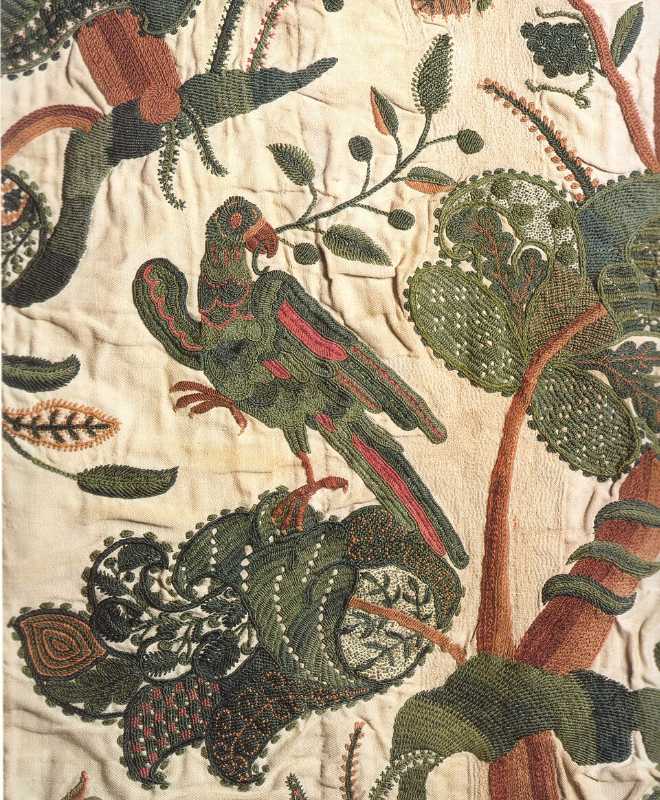
3. Crewel embroidery

Crewel embroidery is distinguished by its use of wool thread, traditionally stitched onto linen. Rather than focusing on a single stitch, it incorporates a wide variety of techniques - chain stitch, stem stitch, and others - to produce richly textured designs.

This style flourished in England during the 16th and 17th centuries, often featuring elaborate natural motifs such as vines, birds, and fantastical flowers. The slightly raised, tactile quality of wool gives crewel work a distinctive depth and warmth.
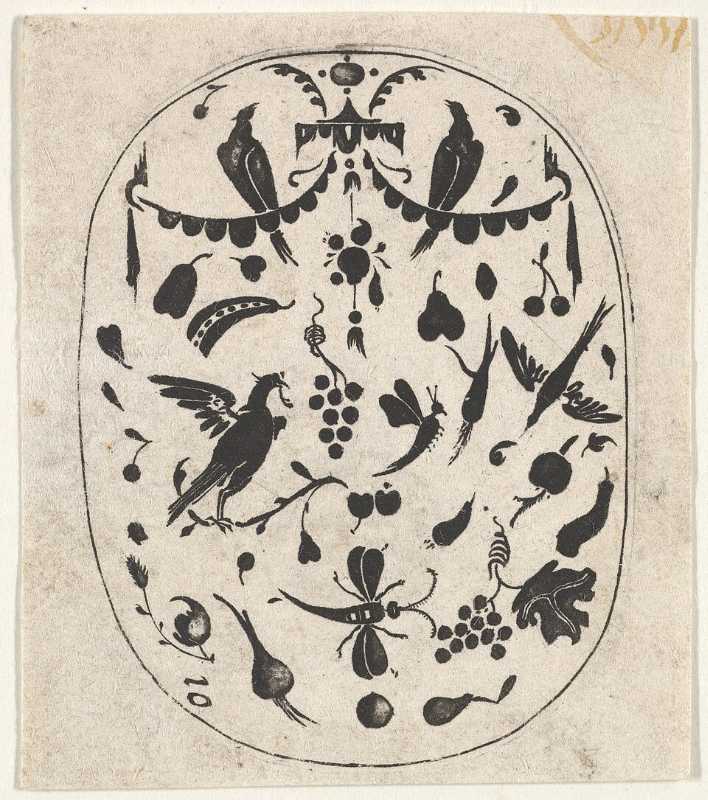
4. Blackwork

Characterized by intricate geometric or repeating patterns, blackwork relies heavily on fine black thread stitched onto a light background. Though the name suggests a single colour, modern interpretations sometimes incorporate additional hues.

Its origins trace back to early European embroidery traditions, where it was used to decorate clothing with delicate, lace-like designs. Blackwork often uses counted thread techniques, creating patterns that range from simple outlines to highly detailed fillings.
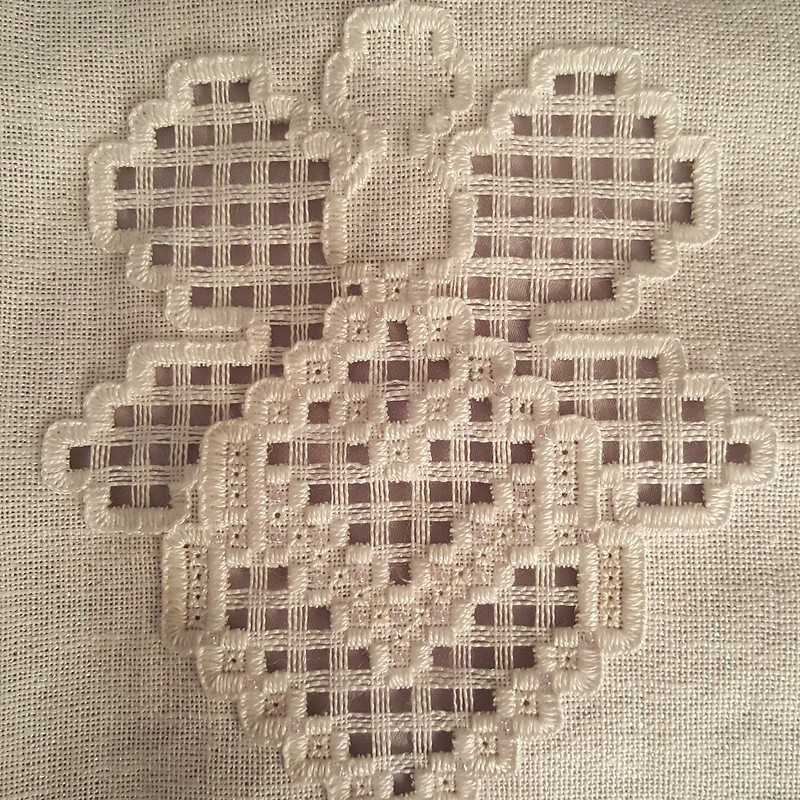
5. Hardanger

Hardanger embroidery, originating in Norway, is a form of counted thread work known for its combination of stitching and cutting. It features geometric patterns built from blocks of satin stitch alongside carefully cut and withdrawn threads, creating an open, lace-like effect.

The process requires precision and patience, as mistakes can be difficult to correct once threads are removed. Despite this challenge, Hardanger remains prized for its delicate appearance and strong ties to traditional Norwegian textiles.
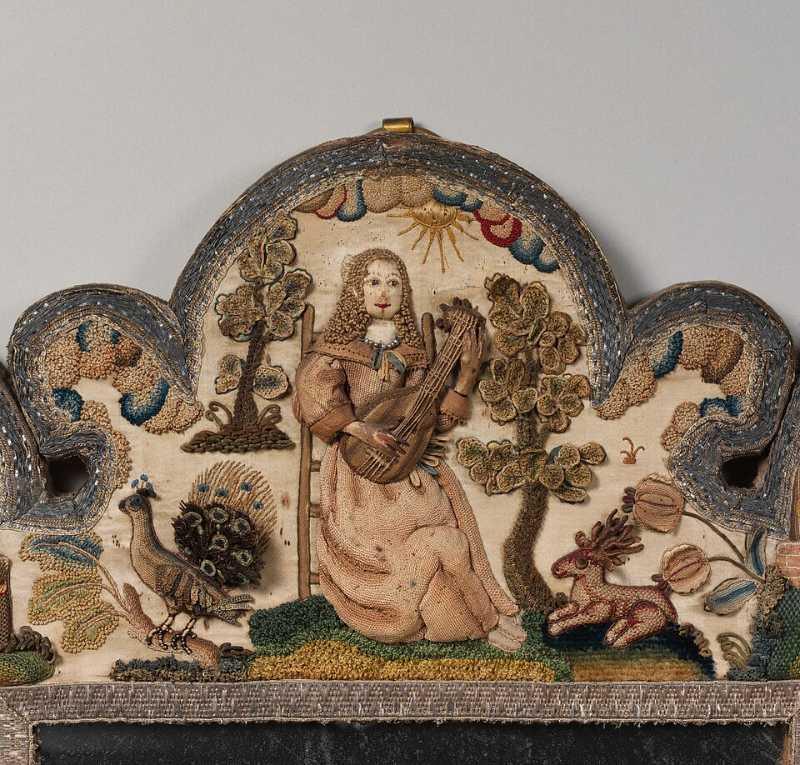
6. Stumpwork

Unlike flat embroidery, stumpwork introduces a three-dimensional element. Shapes are often padded, wired, or constructed separately before being attached to the fabric, allowing designs to literally rise off the surface.

Popular in 17th-century England, stumpwork was frequently used to create elaborate scenes featuring figures, animals, and natural elements. The technique transforms embroidery into something almost sculptural, blending needlework with relief art.
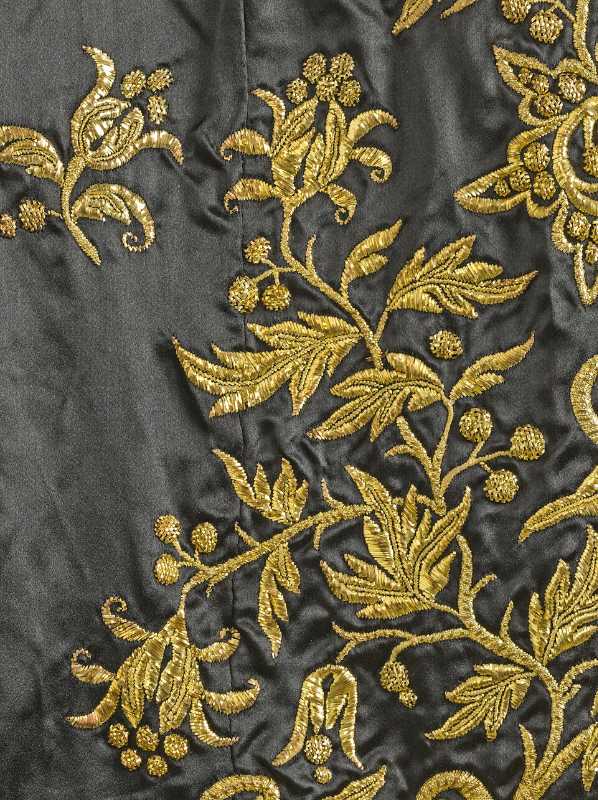
7. Goldwork

Goldwork embroidery is associated with luxury and prestige, using metallic threads - often made with real gold or imitation materials - to create shimmering designs. These threads are typically couched (laid on the surface and stitched down) rather than passed through the fabric, as they can be stiff and delicate.

Historically, goldwork adorned royal garments, military uniforms, and religious textiles. Even today, its rich appearance continues to make it a symbol of opulence and ceremonial importance.
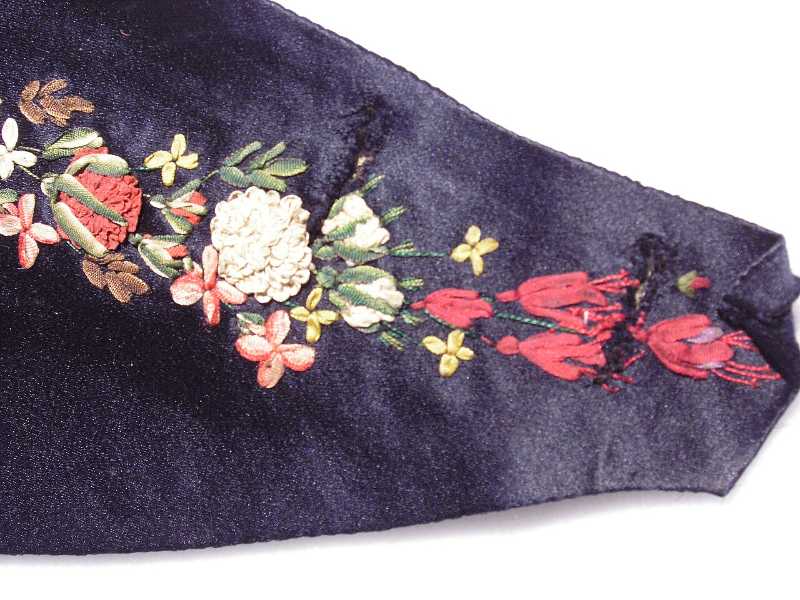
8. Ribbon embroidery

Soft silk ribbons replace traditional thread in ribbon embroidery, producing lush, textured designs that mimic flowers and foliage. The wider material allows stitches to form natural folds and curves, giving the finished work a highly dimensional quality.

This technique gained popularity in France during the 18th century, especially for decorating clothing and accessories. Its expressive, almost painterly style makes it ideal for organic, flowing compositions.
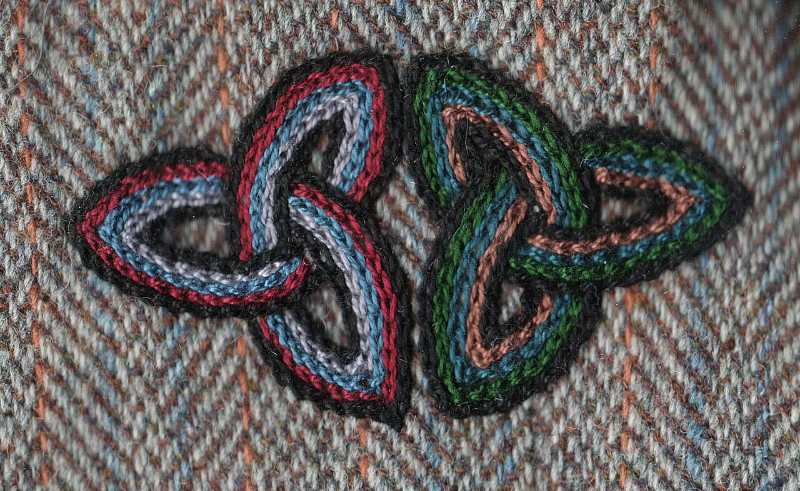
9. Chain stitch embroidery

Named for its linked loop appearance, chain stitch creates a flexible line that resembles a series of connected chains. It can be used for outlining shapes, filling areas, or forming decorative patterns.

Chain stitch is found in embroidery traditions around the world, from Indian textiles to Middle Eastern designs. Its adaptability and rhythmic flow make it both functional and visually appealing.
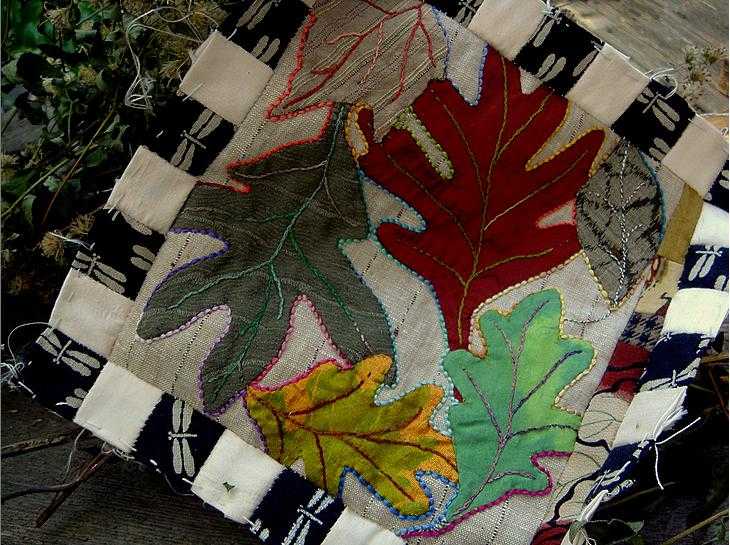
10. Appliqué embroidery

Appliqué involves attaching pieces of fabric onto a larger background to build a design, often secured with decorative stitching. Rather than forming the image entirely with thread, this method layers materials to create contrast in colour, texture, and shape.

It has been used in many cultures for both practical and artistic purposes, from reinforcing worn garments to producing bold decorative works. Because it combines sewing and embroidery, appliqué offers a wide range of creative possibilities.
Source: Author reedy

This quiz was reviewed by FunTrivia editor Bruyere before going online.
Any errors found in FunTrivia content are routinely corrected through our feedback system.
6/15/2026, Copyright 2026 FunTrivia, Inc. - Report an Error / Contact Us