FREE! Click here to Join FunTrivia. Thousands of games, quizzes, and lots more!
Beasties in the Business Trivia Quiz
Animal Mascots in the Business World
Let's face it: we love animals. That's why so many companies choose their mascots based on our beastly friends. Match the company/product with the real-life animal on which they based their animal mascot.
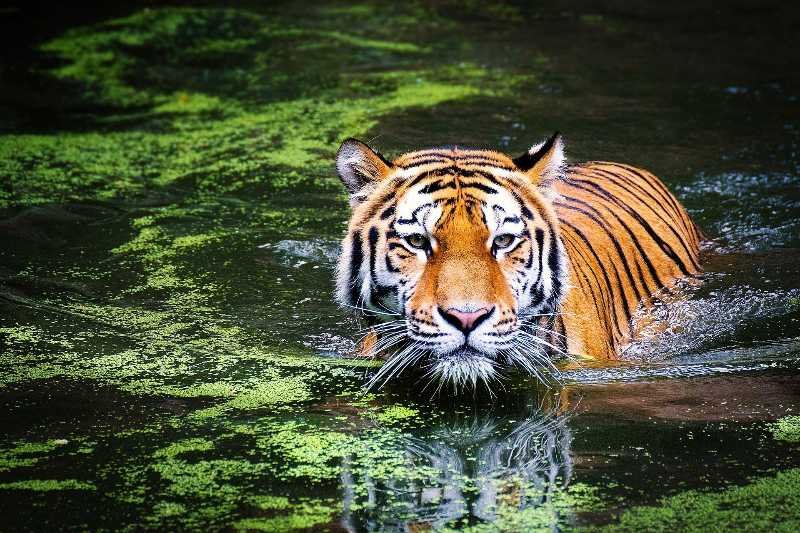
Frosted Flakes leans heavily on one of the most recognizable mascots in advertising: Tony the Tiger. Kellogg's, founded in 1906 in Battle Creek, Michigan by Will Keith Kellogg, introduced Tony much later, in 1952. The character, created by advertising executive Leo Burnett, was designed to be energetic and memorable, and that strategy worked.
His catchphrase, "They're Grrreat!," became tightly linked to the brand and helped keep it visible across decades of marketing.
2. Geico insurance
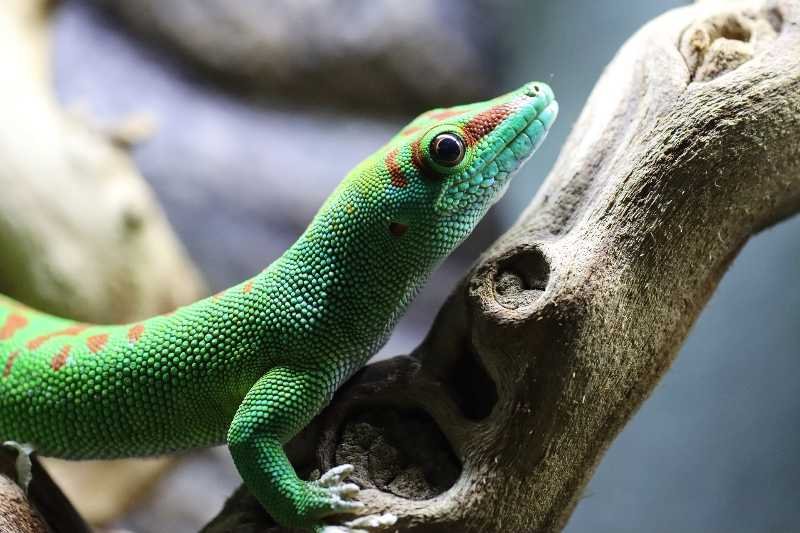
Geico's branding is dominated on a large scale by a small, composed gecko with a British accent. The company itself, founded in 1936 by Leo Goodwin Sr. and Lillian Goodwin, did not adopt the mascot until 1999. They looked to the Martin Agency to develop the character, and because the word "gecko" echoes "Geico," it gives the ads a simple but effective hook.
3. Cheetos snacks
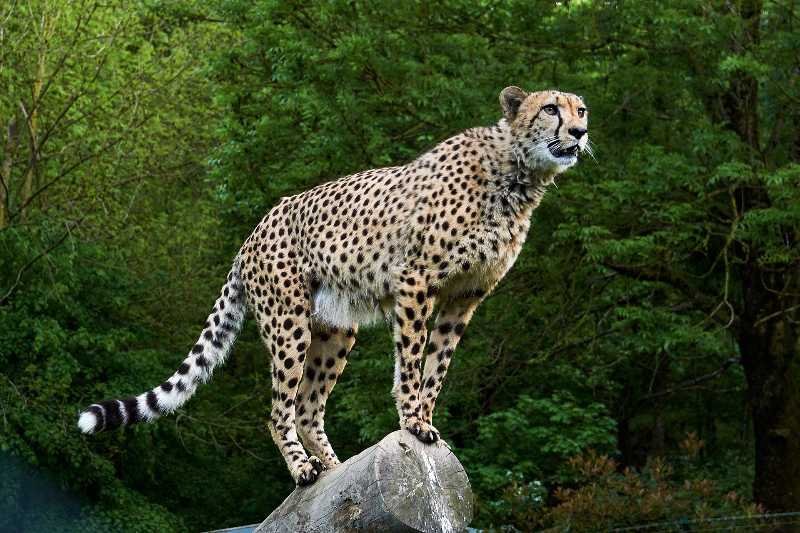
Cheetos built its entire identity around Chester Cheetah, a character defined by attitude as much as appearance. Frito-Lay, established in 1932 by Charles Elmer Doolin, had already introduced Cheetos in 1948, but the mascot did not arrive until 1986. Chester comes across as sly, self-assured, and always chasing another bag of snacks.
His line, "It ain't easy bein' cheesy," helped fix that personality in the public mind.
4. Lacoste apparel
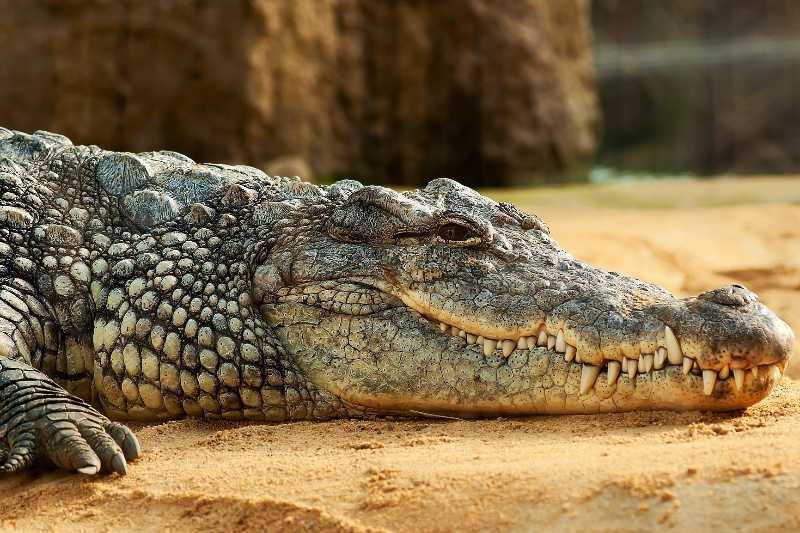
The Lacoste crocodile, now a global fashion symbol, began with a nickname rather than a branding plan. Founded in 1933 by tennis player Rene Lacoste and Andre Gillier, the company built its identity around streamlined sportswear. Years earlier, Lacoste had been dubbed "The Crocodile" for his tenacity on the court, a nickname reinforced by a widely reported bet involving a crocodile-skin suitcase.
Although he lost the match, the image stuck. A friend later sketched a crocodile for him, and Lacoste began wearing the emblem on his clothing, which eventually became the brand's logo.
5. Froot Loops cereal
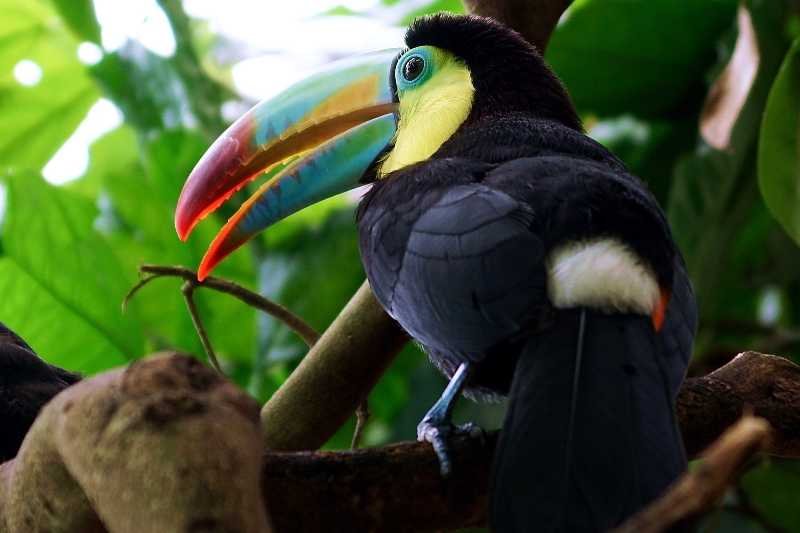
Bright colors and fruity flavors: these two things drive the Froot Loops mascot, Toucan Sam. Kellogg's introduced the cereal in 1963 and paired it immediately with the character, developed by Leo Burnett. The toucan's oversized, multicolored beak mirrors the cereal itself, while his catchphrase, "Follow your nose! It always knows!," ties it all together.
6. Energizer batteries
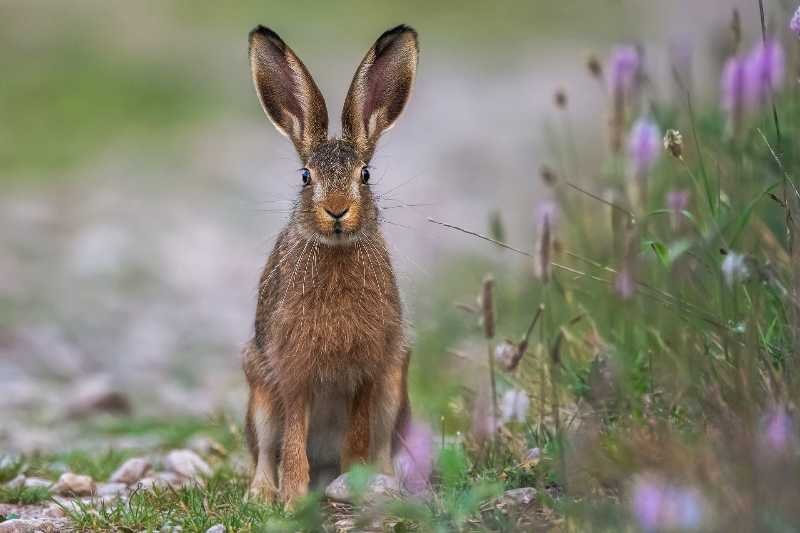
Energizer built an entire campaign around endurance, and the pink bunny became its shorthand. The company traces its origins to 1896, though the modern brand name arrived much later. In 1989, the DDB Needham agency introduced the Energizer Bunny, a drumming figure that keeps going long after others stop.
A trademark dispute with Duracell, which had used a similar bunny in earlier ads, followed. Energizer secured the rights in the United States, while Duracell retained them elsewhere, leaving the two brands to diverge in how they used the image.
7. Fruit Stripes gum
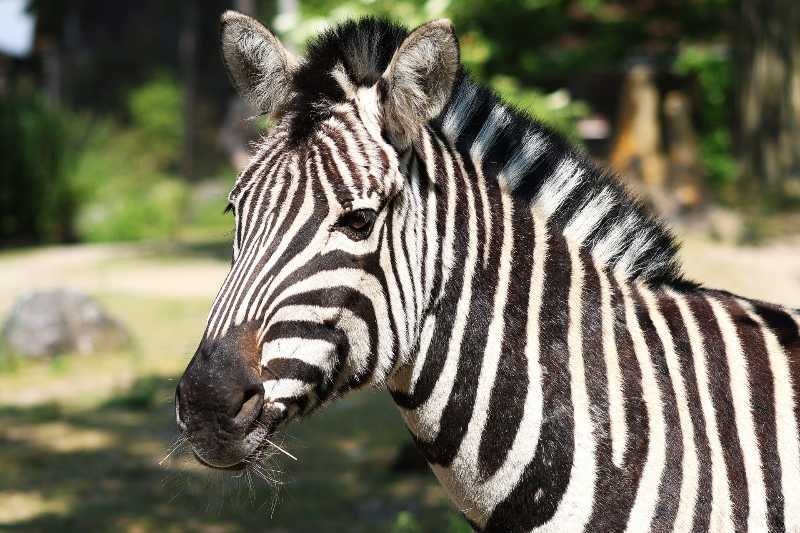
Fruit Stripes gum featured a zebra named Yipes. The Ferrara Candy Company, founded in Chicago in 1908, produced the gum, which rose to popularity in the 1960s. The mascot, however, did not appear until the 1990s, when marketers wanted a character that matched the product's bright look. Yipes, with his multicolored stripes, fit that role. The brand itself was discontinued in 2024.
8. Charmin toilet paper
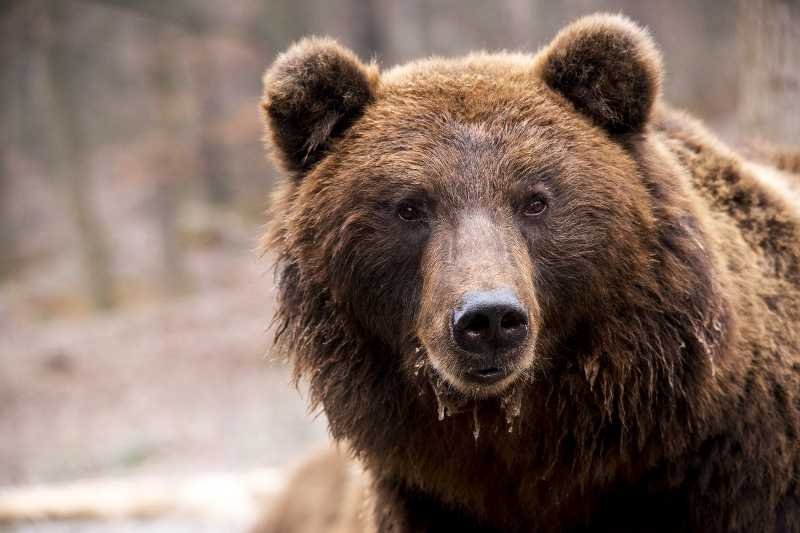
Charmin's advertising centers on a family of cartoon bears, perhaps an unusual choice for a product defined by texture. The company, originally established in 1928 in Green Bay, Wisconsin, introduced the bears in the 1950s to suggest softness and comfort. Yet it somehow works. Papa Bear, Mama Bear, and Baby Bear act out small domestic scenes, such as arguing over an empty roll or praising how soft the toilet paper feels after use.
9. Chuck E. Cheese restaurants
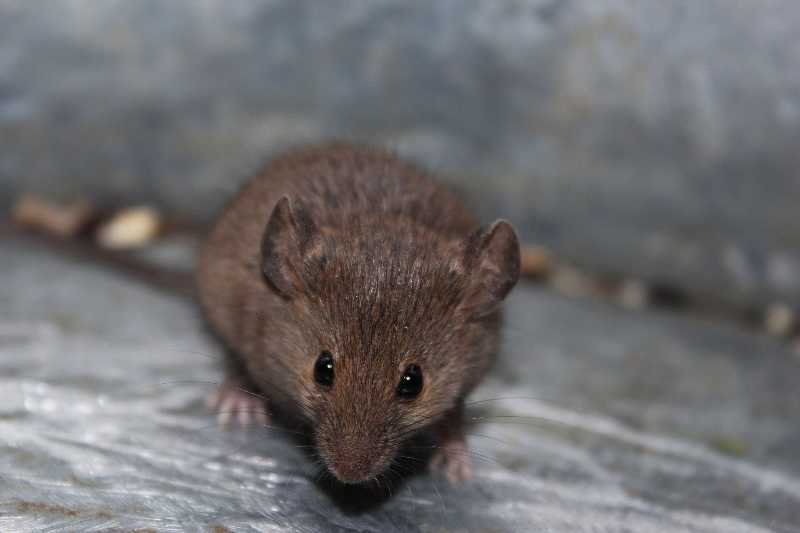
Founded in 1977 by Nolan Bushnell, who also co-founded Atari, Chuck E. Cheese originally operated under the longer name Chuck E. Cheese's Pizza Time Theatre. The mouse character, dressed in bright colors designed to appeal to children, appears not only in advertising but also in live performances at the venues. Animatronic versions of the character and other band members once performed staged musical shows in the restaurants themselves.
10. Target stores
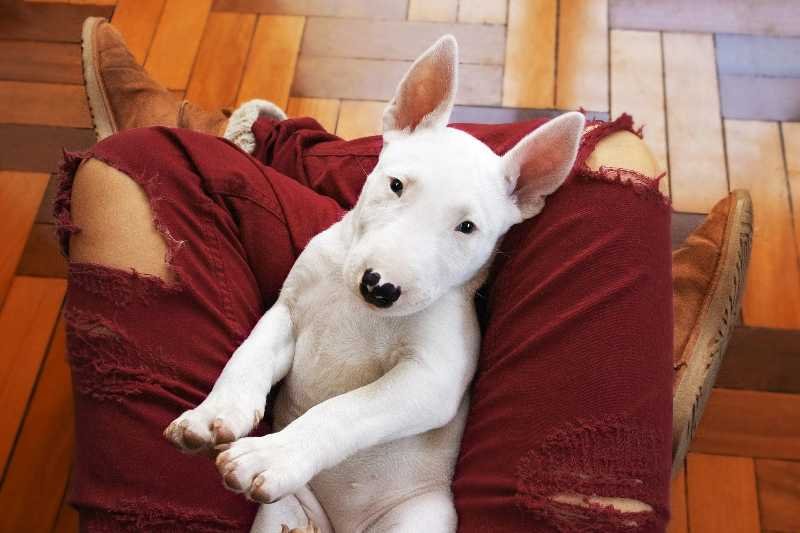
Target began in 1902 as the Dayton Dry Goods Company, founded by George Dayton in Minneapolis. In 1999, a marketing campaign introduced the white bull terrier with a red target over one eye. The campaign proved highly effective; Bullseye quickly became one of the most recognizable retail mascots in the United States.
11. Duolingo language app
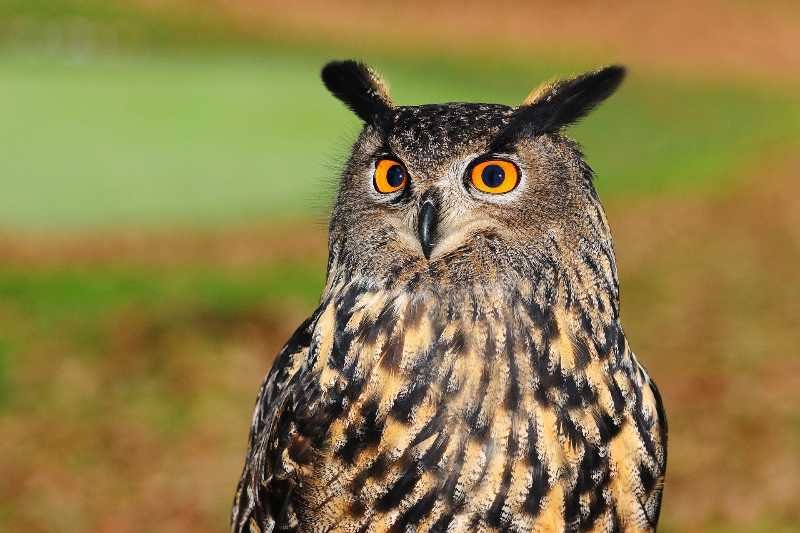
Duolingo's owl mascot, Duo, appears throughout the app rather than staying in the background. Founded in 2011 by Luis von Ahn and Severin Hacker, the platform uses the character to guide users through lessons and remind them to keep up with their practice. Bright green, with large eyes and a simple, rounded shape, Duo shows up in short animations that range from encouraging to slightly pushy when lessons are skipped.
12. StarKist canneries
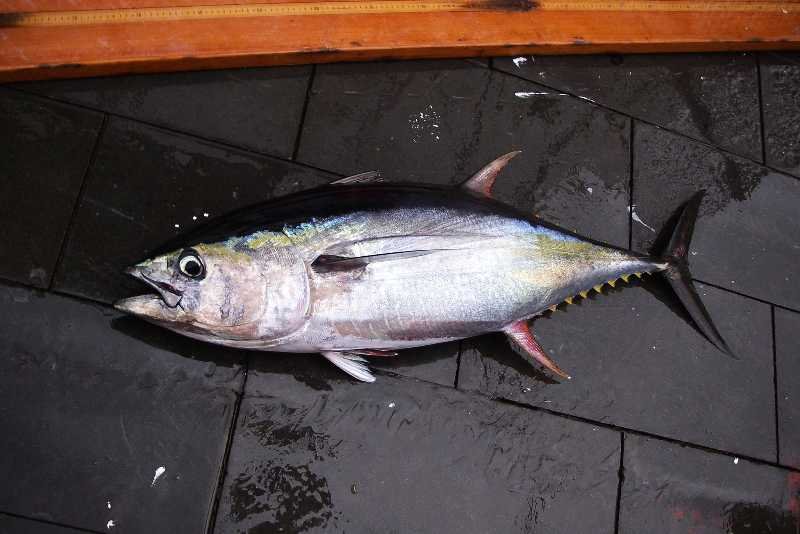
StarKist's advertising features Charlie the Tuna, a character who (strangely or not) wants to be chosen for his taste. Charlie first appeared in the 1960s, portrayed as slightly eccentric, with round glasses and a self-conscious charm. His catchphrase, "Sorry, Charlie," reverses the usual idea; instead of wanting to be caught, he is turned down, a twist that made the ads easier to remember.
This quiz was reviewed by FunTrivia editor stedman before going online.
Any errors found in FunTrivia content are routinely corrected through our feedback system.