FREE! Click here to Join FunTrivia. Thousands of games, quizzes, and lots more!
From Age to Age Trivia Quiz
Renaissance Paintings of Famous Americans
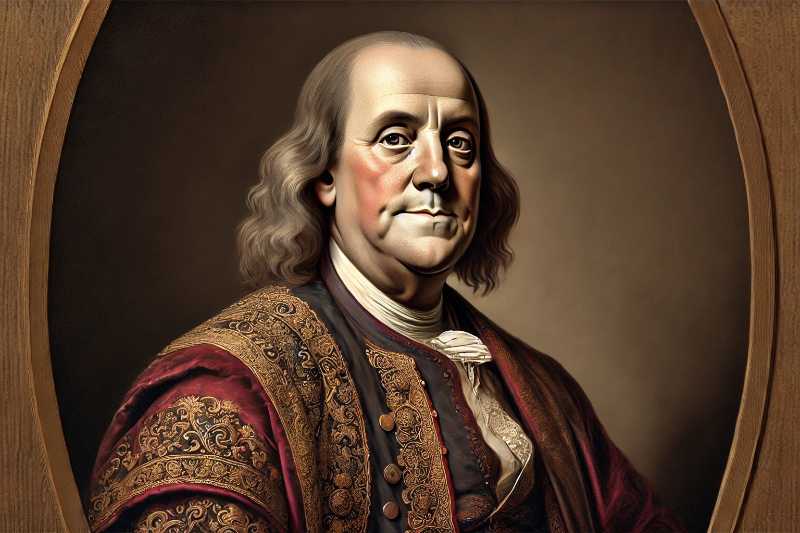
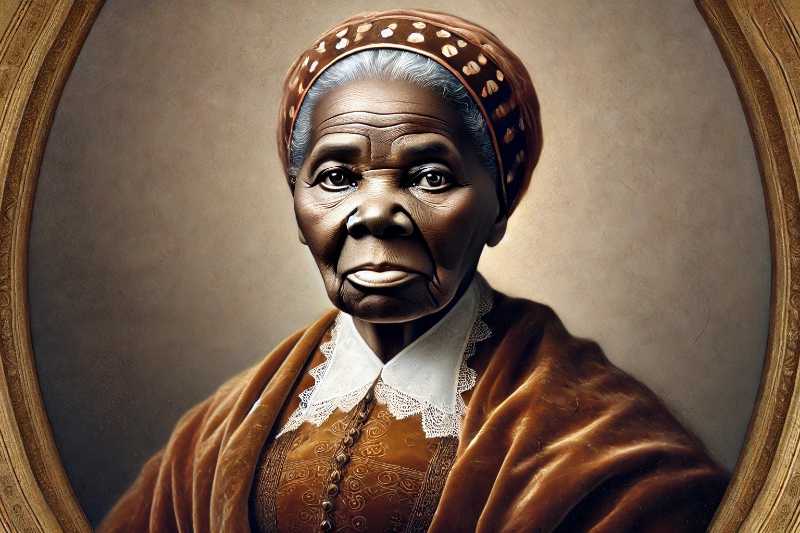
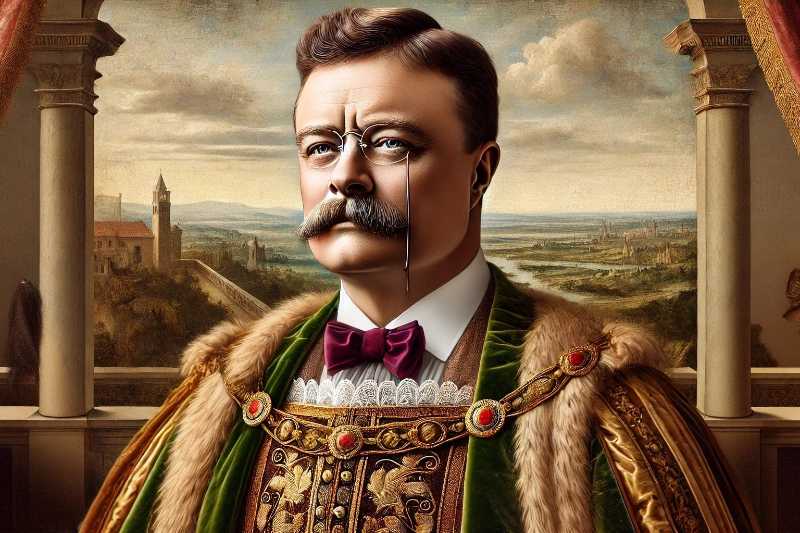
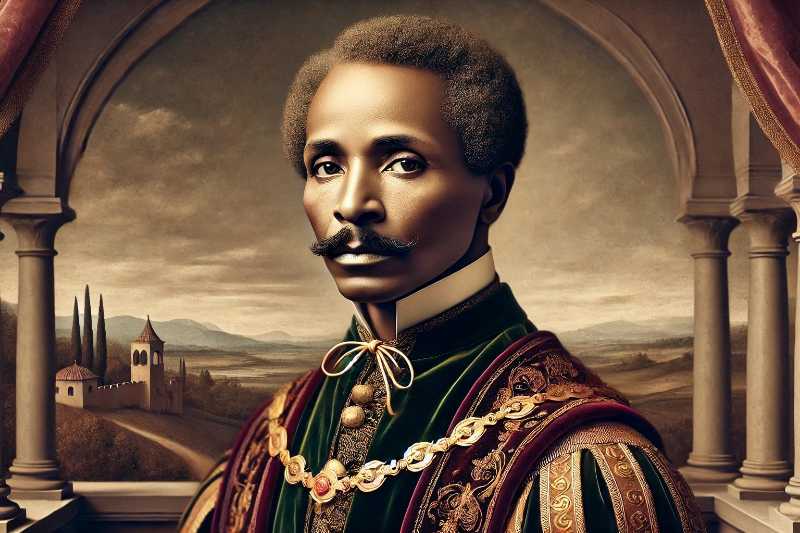
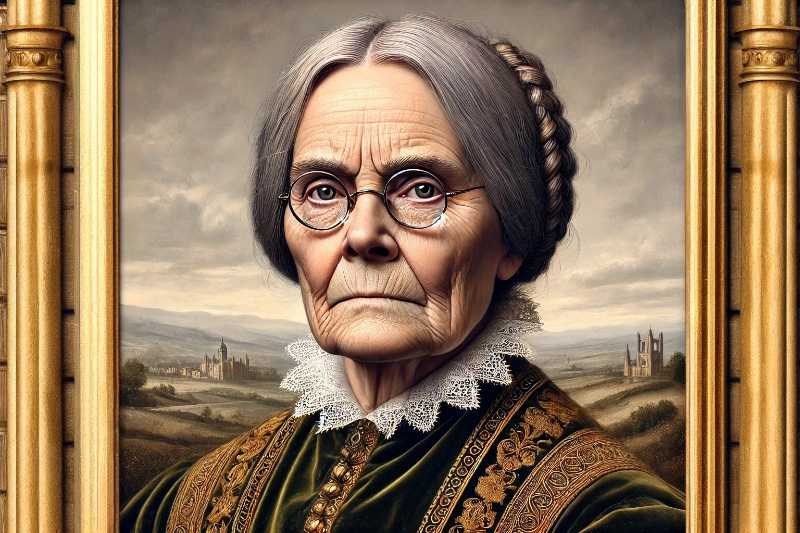
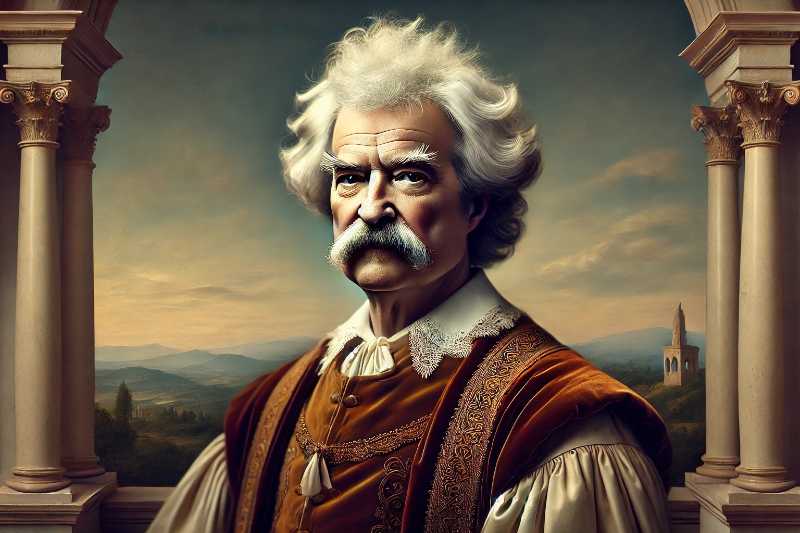
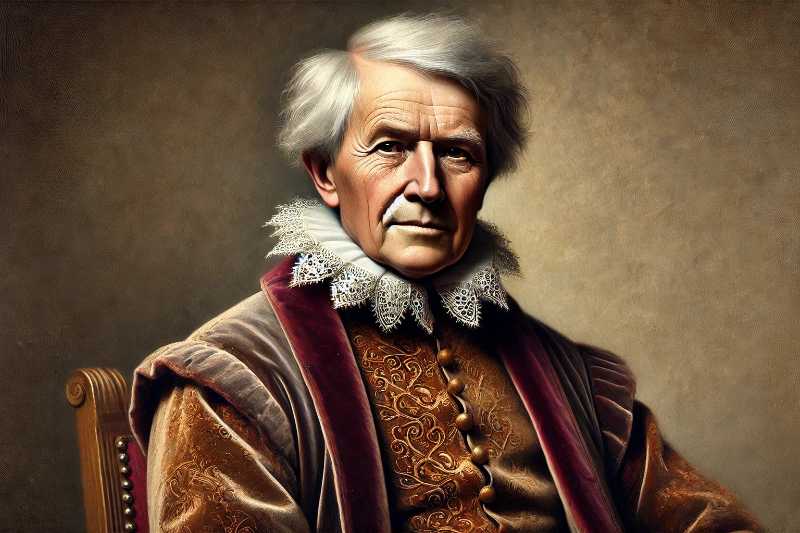
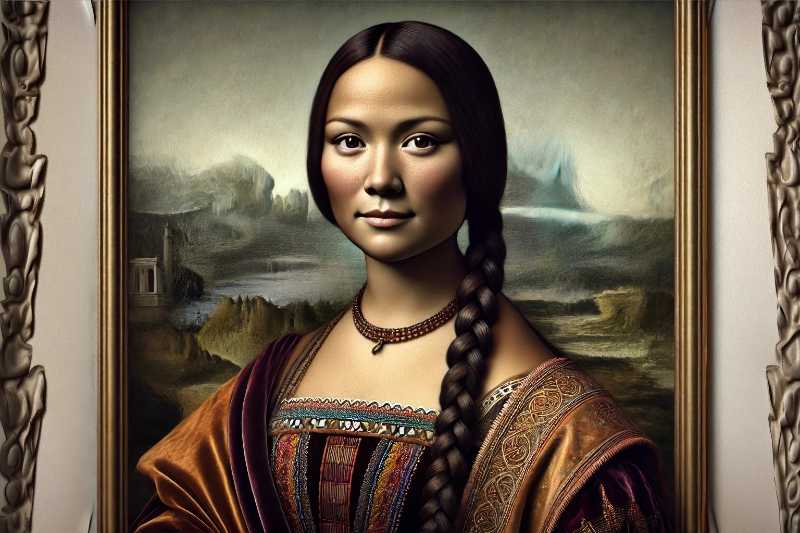
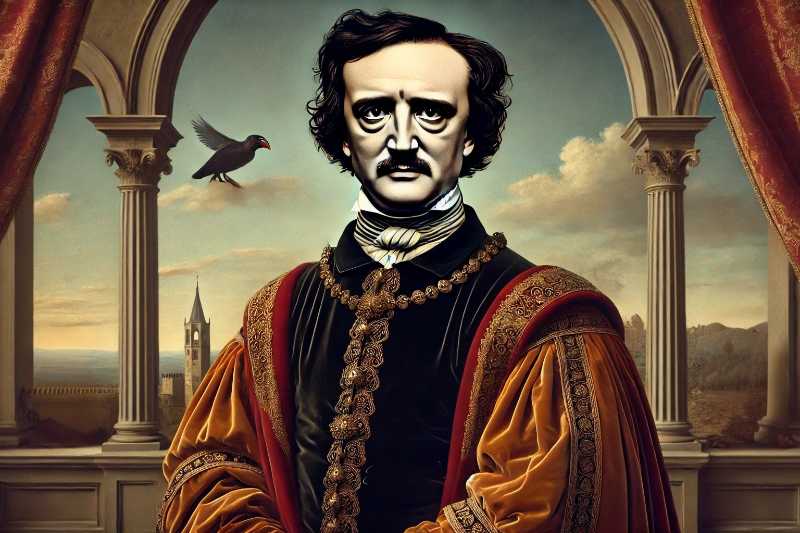
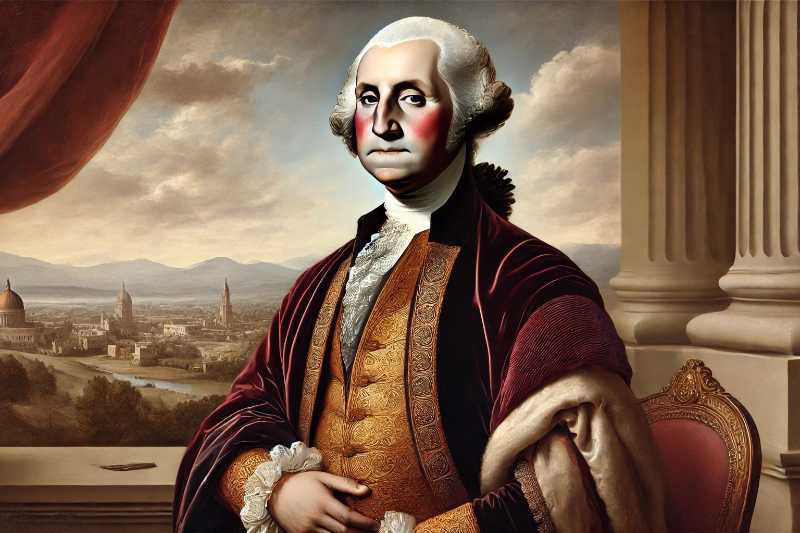
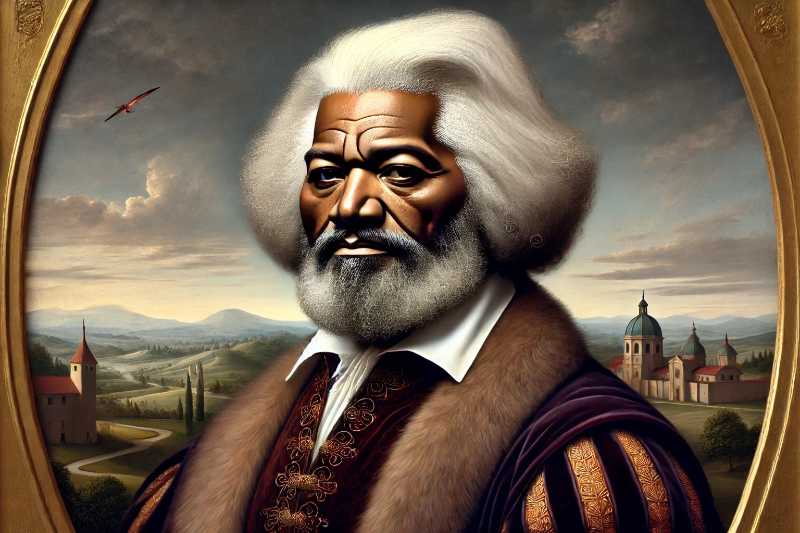
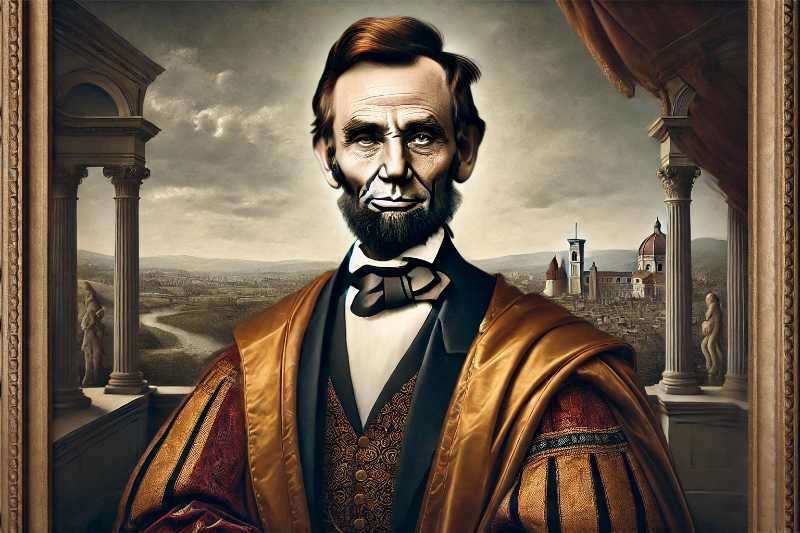
Surely there were exactly zero citizens of the United States alive in the time of the Renaissance. Yet, we can still envision what something like that might look like these days. (Click the images for a closer look!)
Frederick DouglassSusan B. AnthonyGeorge Washington CarverMark TwainAbraham LincolnGeorge WashingtonSacagaweaThomas EdisonBenjamin FranklinEdgar Allan PoeTheodore RooseveltHarriet Tubman
Jun 10 2026
:
Guest 24: 12/12
Jun 01 2026
:
Guest 172: 12/12
May 31 2026
:
dmaxst: 12/12
May 30 2026
:
Guest 144: 12/12
May 30 2026
:
Guest 70: 12/12
May 28 2026
:
Guest 69: 10/12
May 28 2026
:
Guest 209: 7/12
May 25 2026
:
Guest 45: 12/12
May 24 2026
:
polly656: 12/12
Quiz Answer Key and Fun Facts
1. Benjamin Franklin
Benjamin Franklin was born on January 17, 1706, in a small house on Milk Street in Boston, Massachusetts. A Founding Father and a major figure of the American Enlightenment, he helped shape the early United States through politics, science, writing, and public service. Franklin contributed to the Declaration of Independence and later to the U.S. Constitution, where he continued to argue for colonial unity and practical government.
His experiments with electricity, along with inventions such as the lightning rod, made him a symbol of the inventive, civic-minded spirit of the new nation.
2. Harriet Tubman
Born into slavery around 1822 in Dorchester County, Maryland, Harriet Tubman escaped to freedom in 1849 and then risked her life repeatedly to help others do the same. As a conductor on the Underground Railroad, she guided enslaved people through secret routes and safe houses toward free states and Canada.
She is estimated to have rescued around 70 people, a number that only hints at the danger involved in each trip. Tubman later served as a spy and nurse during the Civil War.
3. Theodore Roosevelt
Theodore Roosevelt, the 26th president of the United States, was born in New York City on October 27, 1858. His presidency is closely tied to the Progressive Era, when reformers pushed to address labor conditions, consumer safety, corporate power, and political corruption. Roosevelt took on powerful trusts through antitrust enforcement and argued that large businesses needed public oversight. Conservation became central to Roosevelt's presidency, as he protected wildlife, expanded federal conservation efforts, and helped lay the groundwork for the modern national parks system. Abroad, his policy of "speak softly and carry a big stick" reflected his belief that the United States should act as a major global power.
4. George Washington Carver
George Washington Carver was born into slavery around 1864 in Diamond, Missouri, and later built a career around agricultural science and practical education. After emancipation, he pursued schooling with determination and eventually earned a master's degree in agricultural science.
He became especially known for promoting crop rotation and alternative crops such as peanuts, sweet potatoes, and soybeans. These ideas helped Southern farmers restore depleted soil and reduce dependence on cotton. His work also supported the economic independence of African American farmers.
5. Susan B. Anthony
Susan B. Anthony was born on February 15, 1820, in Adams, Massachusetts, and became one of the most persistent leaders of the women's suffrage movement. In 1869, she co-founded the National Woman Suffrage Association and spent decades organizing speeches, campaigns, petitions, and rallies for voting rights.
Her most famous act of protest came in 1872, when she voted illegally in the presidential election, was arrested, and was fined. The case brought national attention to the cause. Anthony also fought for women's rights in education and labor, convinced that voting rights were part of a much larger struggle for equality.
6. Mark Twain
Mark Twain, born Samuel Langhorne Clemens on November 30, 1835, in Florida, Missouri, became one of the most important voices in American literature. In his best-known books, "The Adventures of Tom Sawyer" and "Adventures of Huckleberry Finn," Twain mixes sharp humor with regional dialect and close observations of 19th-century American life. Beneath the comic surface, Twain dealt with race, identity, hypocrisy, and social injustice.
His ear for dialect gave his fiction a freshness that helped change American prose. Outside his novels and stories, he also spoke out on causes such as anti-imperialism and education reform.
7. Thomas Edison
Thomas Edison was born on February 11, 1847, in Milan, Ohio, and became one of the most prolific inventors in American history. He held more than 1,000 patents, with major inventions and improvements connected to the phonograph, the electric light bulb, and motion picture technology.
At Menlo Park, New Jersey, he created one of the first industrial research laboratories, a place where invention became a systematic, team-based process rather than a matter of isolated tinkering. Edison's work revolutionized the areas of entertainment, communication, home life, and industry.
8. Sacagawea
Sacagawea, a Shoshone woman born around 1788 in the Lemhi River Valley of present-day Idaho, played an essential role in the Lewis and Clark Expedition from 1804 to 1806. She joined the expedition with her husband and infant son, and her knowledge of western terrain and Indigenous cultures proved extremely valuable.
As an interpreter, she helped the explorers communicate with Native peoples and negotiate for supplies. Her presence also helped signal that the group was not simply a military party.
9. Edgar Allan Poe
Edgar Allan Poe was born on January 19, 1809, in Boston, Massachusetts, and left a major mark on gothic fiction, poetry, short stories, horror, and detective fiction. Works such as "The Raven," "The Tell-Tale Heart," and "The Fall of the House of Usher" explore death, madness, obsession, guilt, and the macabre. Poe's stories often trap readers inside unstable minds, which is part of what makes his suspense so effective.
His careful use of symbolism and atmosphere influenced later writers around the world.
He also helped raise the short story into a serious literary form.
10. George Washington
George Washington was born on February 22, 1732, in Westmoreland County, Virginia. Before he became the first president of the United States, he served as commander-in-chief of the Continental Army during the Revolutionary War. His leadership helped the colonies win independence from Britain, even when the army faced shortages and military defeats. From 1789 to 1797, Washington served as the nation's first president, and his decision to step down after two terms demonstrated to the country that he believed presidential power should be temporary, not lifelong.
11. Frederick Douglass
Frederick Douglass was born into slavery in Talbot County, Maryland, in February 1818 and escaped to freedom in 1838. He became a powerful abolitionist, speaker, writer, and reformer whose life directly challenged racist claims about slavery and Black inferiority.
His autobiography, "Narrative of the Life of Frederick Douglass, an American Slave," gave readers a firsthand account of slavery and showed how literacy became a path toward freedom. Douglass used both speeches and print to influence public opinion against slavery.
He also supported women's rights and worked with reformers such as Susan B. Anthony, arguing that the struggle for equality could not stop with one group.
12. Abraham Lincoln
Abraham Lincoln was born on February 12, 1809, in a log cabin in Hardin County, Kentucky, in an area now part of LaRue County. As the 16th president of the United States, he led the country through the Civil War from 1861 until his assassination in 1865.
The war tested whether the Union would survive and whether slavery would continue to define the nation. In 1863, Lincoln issued the Emancipation Proclamation, which declared enslaved people in Confederate-held territory to be free. He also helped advance the 13th Amendment, which abolished slavery throughout the United States.
This quiz was reviewed by FunTrivia editor gtho4 before going online.
Any errors found in FunTrivia content are routinely corrected through our feedback system.