FREE! Click here to Join FunTrivia. Thousands of games, quizzes, and lots more!
Quiz about Spore of the Moment

Spore of the Moment Trivia Quiz


There's a mix of spores in this game, to give you a spore-ting chance at finding some you know in this interesting group.

A multiple-choice quiz by VegemiteKid. Estimated time: 3 mins.
  1. Home
  2. »
  3. Quizzes
  4. »
  5. Science Trivia
  6. »
  7. Botany

Author
VegemiteKid
Time
3 mins
Type
Multiple Choice
Quiz #
420,217
Updated
Jan 18 26
# Qns
10
Difficulty
New Game
Avg Score
8 / 10
Plays
16
Last 3 plays: mjgrimsey (3/10), Dizart (10/10), Lindaellen (9/10).
- -
Question 1 of 10
1. Sporangia are important in the life-cycle of some fungi, mosses, and ferns because they help the plants reproduce without needing seeds.


Question 2 of 10
2. Which spores, that can cause lockjaw, live in the soil and can enter the body through cuts or wounds? Hint


Question 3 of 10
3. Anthrax was weaponised in 2001 in the USA when spores were sent through what means? Hint


Question 4 of 10
4. Zygospores can resist temperature extremes and other unfavourable conditions by doing what? Hint


Question 5 of 10
5. Flagella are used by zoospores (also known as swarm spores) to propel themselves in what sort of environment? Hint


Question 6 of 10
6. A serious disease called 'hypersensitivity pneumonitis' is caused by mould spores that are swallowed while eating affected food.


Question 7 of 10
7. The term 'chlamydospore' comes from the Greek for which of the following?
Hint


Question 8 of 10
8. Which of the following is a cause of algal blooms? Hint


Question 9 of 10
9. Conidia spores grow outside their host to aid rapid dispersal.


Question 10 of 10
10. What tiny green plants, important as habitats for insects and for keeping soil moist, reproduce using capsule-like structures that grow on top of stalks? Hint


(Optional) Create a Free FunTrivia ID to save the points you are about to earn:

arrow Select a User ID:
arrow Choose a Password:
arrow Your Email:


Most Recent Scores
Today : mjgrimsey: 3/10
Today : Dizart: 10/10
Today : Lindaellen: 9/10
Today : Aph1976: 5/10
Today : bernie73: 4/10
Today : cardsfan_027: 10/10
Today : GoodwinPD: 10/10
Today : JoannieG: 9/10
Today : skatersarehott: 4/10

Quiz Answer Key and Fun Facts
1. Sporangia are important in the life-cycle of some fungi, mosses, and ferns because they help the plants reproduce without needing seeds.

Answer: True

Sporangia are essential in the life cycle of various organisms, and are tiny containers where spores are made. Sporangia can be made up of just one cell or can be many cells collaborating.

Looking like tiny balls on stalks, many organisms (such as moulds) develop sporangia which, when ready, release into the air or water. If conditions are favourable where the spores land, they create new colonies of moulds, fungi, or ferns among others.
2. Which spores, that can cause lockjaw, live in the soil and can enter the body through cuts or wounds?

Answer: Clostridium tetani

Spores of Clostridium tetani are found quite commonly in the environment, including in soil, dust, and manure. The spores develop into bacteria when they enter the body, causing illness, in particular tetanus, which is also sometimes called lockjaw.

When the Clostridium tetani bacteria get into a cut or deep wound, they produce a poison that will travel through the nerves and make muscles very stiff and sometimes spasm. Showing up around 3 to 21 days after the germ enters the body, symptoms often start in the jaw (hence the common name, lockjaw) and spread to the neck, back, and stomach. It is a serious disease that can be fatal for the very young or the elderly. A vaccination against the disease is available, with a booster advised every ten years.

Tetanus cannot be caught from other people, but only occurs through the bacteria entering a wound. It is treated by cleaning the wound, giving antibiotics and an antitoxin, and sometimes requires hospitalisation.
3. Anthrax was weaponised in 2001 in the USA when spores were sent through what means?

Answer: Mail service

Anthrax spores are tiny tough particles found naturally in soil, where they can survive sometimes for years or even decades. Animals (like cows, sheep and goats) get anthrax by eating or breathing the spores from soil or plants. In people, touching spores on animal hides or wool can result in an infection if the person has a cut on the skin; eating contaminated meat or inhaling spores can also mean a person can become ill. Inhaling spores is the most dangerous type of infection.

Bacillus (which means 'little staff; or wand' in Latin) has many varieties but only two species are of concern medically: B. anthracis, which causes anthrax, and B. cereus which causes food poisoning. Most strains of Bacillus will not cause disease in healthy humans, but Bacillus anthracis causes anthrax in humans and domestic animals. It can make people and animals very sick and, if not treated, can be deadly. Anthrax spores can survive boiling, freezing, or even sunshine. Anthrax cannot be caught from someone else, as it's only contracted from spores. There is a vaccine for those who are most at risk of contracting it, like farmers, vets and lab workers.

In October 2001, anthrax spores were sent through the postal service in the USA, resulting in twenty-two cases of anthrax, including five deaths.
4. Zygospores can resist temperature extremes and other unfavourable conditions by doing what?

Answer: Becoming dormant

Zygospores help fungi stay alive and spread despite an unfriendly environment. They are special types of thick-walled sexual spores made by zygomycota (which are also called 'conjugated fungi') in some fungi when two different cells from separate mating types join together.

The highly resistant parasitic spores that are created when the environment is tough, like when food or water is scare, become dormant in extreme environmental conditions; when things get better, the zygospore can grow into a new fungus. Zygospores are part of sexual reproduction in fungi like rhizopus, a mould that sometimes grows on bread and is known as black bread mould, or some mucor species, which inhabit rotting vegetable matter, soil and some cheeses.
5. Flagella are used by zoospores (also known as swarm spores) to propel themselves in what sort of environment?

Answer: Wet

Zoospores are special types of spores made by some fungi, algae, and tiny water organisms to help them reproduce, spread and survive in watery environments. They have little tail-like components called flagella that help them move through water to new places where they can grow.

Zoospores are usually made when conditions are good, such as when an environment is moist. Once they find a suitable place, they settle down and grow into a new organism. This helps the species survive. Fungi like chytridiomycota, protozoa and water moulds (like phytophthora), and green algae such as chlamydomonas all use zoospores to spread and grow.
6. A serious disease called 'hypersensitivity pneumonitis' is caused by mould spores that are swallowed while eating affected food.

Answer: False

Hypersensitivity pneumonitis is inflammation in lung tissue caused by inhaling irritants such as mould spores, not by swallowing them. These spores, which can be mould fragments, or mould-containing dusts, are generally found in damp or water-damaged environments. The air in damp indoor locations can have high concentrations of mould spores from species including aspergillus, cladosporium, alternaria, penicillium, and aureobasidium, all of which can trigger a reaction in sensitive people.

They can cause the body's immune system to overreact when the particles get into the tiny air sacs in the lungs, making it hard to breathe, and sometimes resulting in a cough, fever, or a flu-like sensation. It is treated mainly by establishing the cause of the allergy and preventing further exposure, using corticosteroids where deemed necessary. Having a regular flu vaccination is also encouraged.
7. The term 'chlamydospore' comes from the Greek for which of the following?

Answer: Cloaked spore

Chlamydospores are asexual fungal spores formed under tough environmental conditions, to enhance survival during harsh times. Their thick, multi-layered walls shield (cloak) the cell, protecting it from desiccation, the effects of low oxygen, chemical damage, physical abrasion and harmful immune responses from the host fungi. Chlamydospores spores are not used for spreading or moving, but are more of a survival mechanism.

Candida albicans, fusarium oxysporum and other fusarium species, aspergillus species such as Aspergillus niger, and cylindrocarpon (soil fungi) all form chlamydospores.
8. Which of the following is a cause of algal blooms?

Answer: Too many nutrients (like fertiliser) washing into the water

Algae can develop spores - tiny seed-like cells that help algae survive and grow. Some forms of algal blooms (e.g., Alexandrium) produce toxins that cause shellfish poisoning. Algal blooms occur when algae in the water proliferate too quickly, which happens when conditions are conducive.

The right conditions include warm temperatures, as abundant sunlight gives algae the energy needed to multiply; calm water (as in lakes or slow moving rivers) which makes it easier for algae to build up; and too many nutrients (coming from fertilisers, pet waste, or soil washing into rivers and lakes after rain). Nutrients such as nitrogen and phosphorus can come from over-fertilisation.

When conditions are difficult, such as when the water dries up, it gets too cold or too hot, or
there isn't enough light, algae can produce spores. These spores are very tough and can remain dormant for long periods until the environment becomes safe again. Some algal spores can move using little tail-like parts called flagella, which help them swim through water, while others just float until they find a good place to grow.

While an over-abundance of algae can cause environmental issues, the right amount helps keep water ecosystems healthy, since algae are a key part of the food chain.
9. Conidia spores grow outside their host to aid rapid dispersal.

Answer: True

Conidia are tiny asexual spores, made by certain fungi to help them reproduce. Unlike spores in sporangia, conidia are formed outside the fungus, usually at the tips of special structures called conidiophores. These spores are not inside a container, but are just released into the air when they are ready; this means of reproduction ensures wide dispersal and maximum fertilisation.

If they land in a good spot, like on food or damp surfaces, they can grow into new fungi. Conidia are important because they help fungi spread quickly and survive in different places. Some moulds, like the ones that grow on bread, use conidia to reproduce; they are often allergenic and implicated in respiratory issues.
10. What tiny green plants, important as habitats for insects and for keeping soil moist, reproduce using capsule-like structures that grow on top of stalks?

Answer: Mosses

Even though they are small, mosses play a big role in keeping ecosystems healthy. Importantly, they create habitats for tiny insects, help recycle nutrients in the soil, and are able to survive in harsh places where other plants can't grow, such as on bare rocks. After a volcanic eruption, mosses are among the first plants to regrow, which helps prepare the ground for other, large flora.

Usually growing in damp, shady places like forests, rocks, and near streams, mosses don't have true roots; minute structures called rhizoids help them stick to surfaces and absorb water, which enables soil to keep moist and prevent erosion.

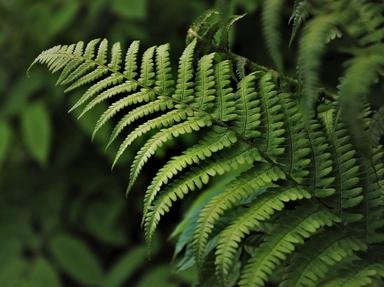
Mosses (and ferns) do not produce flowers or seeds, but reproduce without fertilisation using spores instead. Mosses have specialised structures called sporangia that look like small capsules on top of stalks, while ferns have sporangia grouped together in structures called sori located on the underside of their fronds.
Source: Author VegemiteKid

This quiz was reviewed by FunTrivia editor rossian before going online.
Any errors found in FunTrivia content are routinely corrected through our feedback system.
Related Quizzes
1. The Plant Doctor Very Easy
2. October Rust Very Easy
3. Plant Basics Easier
4. Christmas Plants! Easier
5. Plants in Latin Easier
6. Troublesome Plants Easier
7. Rhizomes and Rhizomes and Rhizomes... Easier
8. Pick Your Poisonous Plant Easier
9. Seed You Later Easier
10. Simple Leaves Collection Easier
11. Flowery Names Easier
12. Leaves of Green Easier

1/18/2026, Copyright 2026 FunTrivia, Inc. - Report an Error / Contact Us