FREE! Click here to Join FunTrivia. Thousands of games, quizzes, and lots more!
Quiz about Meet the Egyptian Deities

Meet the Egyptian Deities Trivia Quiz


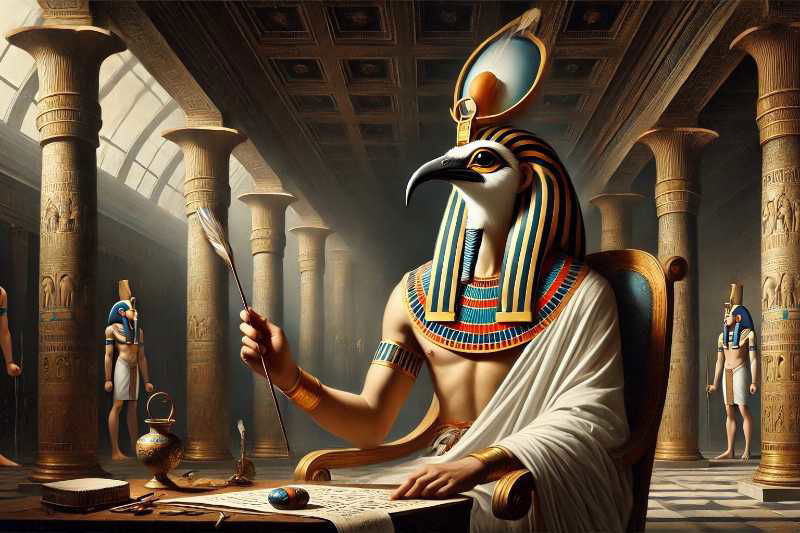
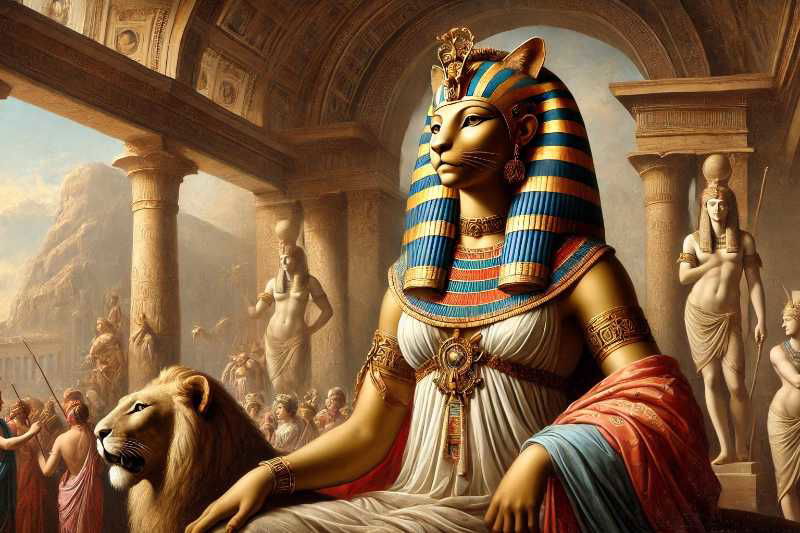
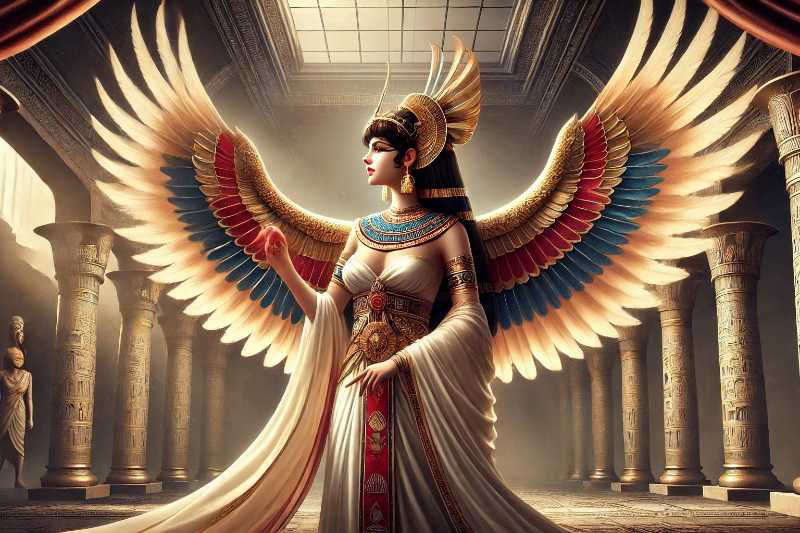
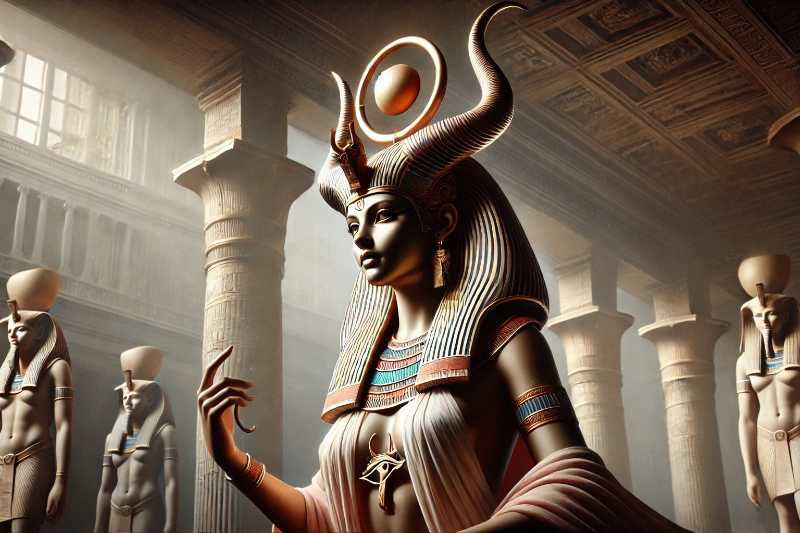
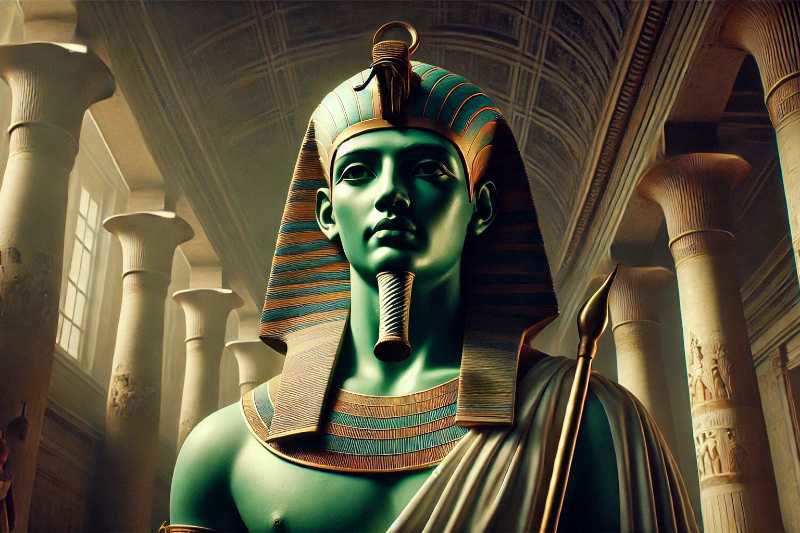
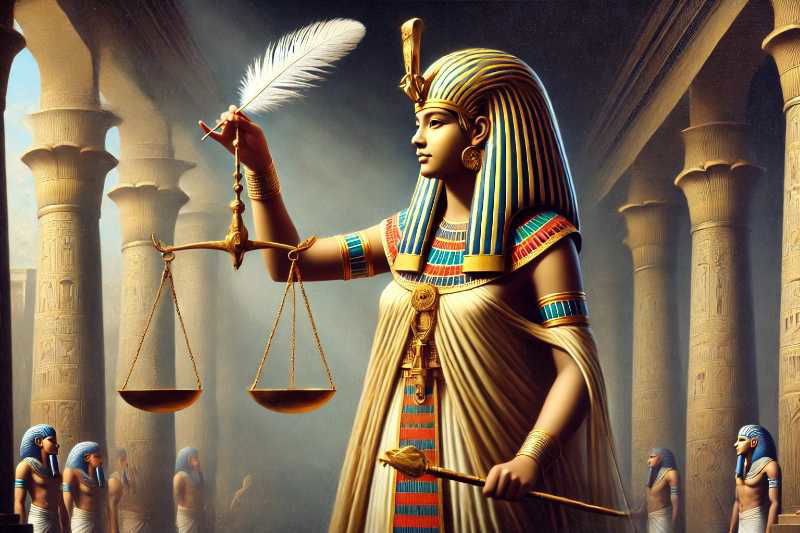
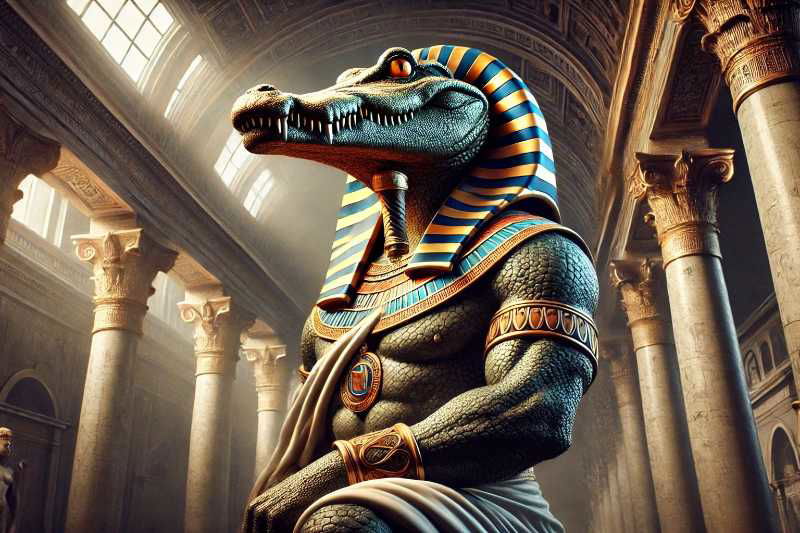
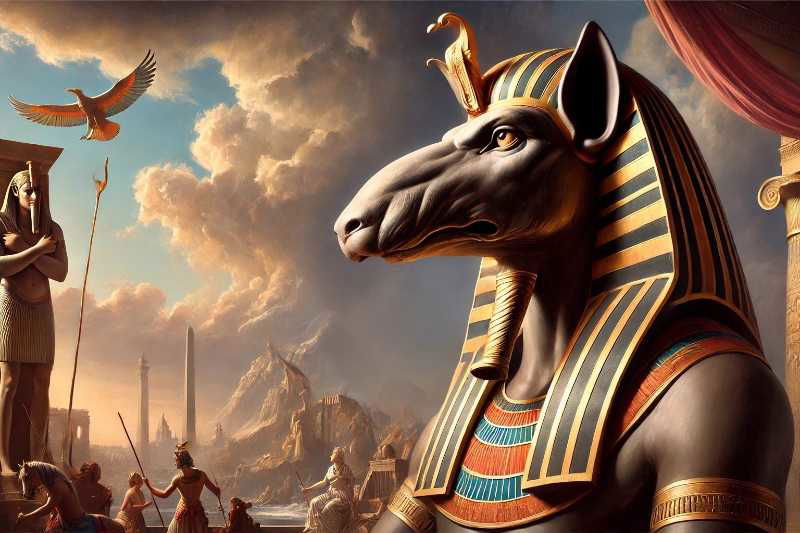
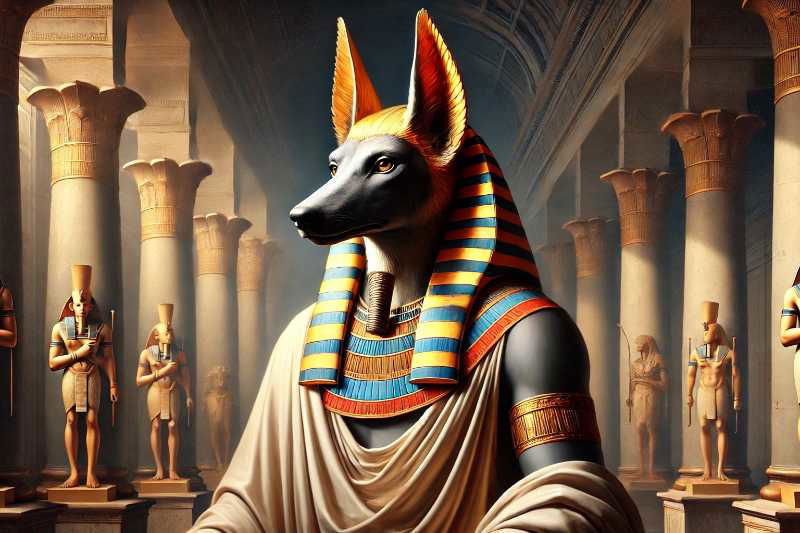
The Egyptian deities, a pantheon of gods and goddesses, were integral to the ancient Egyptian understanding of the universe and daily life. Match these 12 based on their appearance and objects in each scene. (Click the images for a closer look!)

by trident. Estimated time: 3 mins.
  1. Home
  2. »
  3. Quizzes
  4. »
  5. Humanities Trivia
  6. »
  7. Mythology & Legends
  8. »
  9. Egyptian Myth

Author
trident
Time
3 mins
Type
Quiz #
417,244
Updated
May 05 26
# Qns
12
Difficulty
Average
Avg Score
8 / 12
Plays
190
Awards
Top 10% Quiz
Last 3 plays: BigTriviaDawg (12/12), DeepHistory (12/12), Guest 98 (8/12).
Drag-Drop or Click from Right
Options
Wadjet Hathor Isis Thoth Anubis Bastet Osiris Horus Sekhmet Sobek Set Ma'at


 View Image Attributions for This Quiz

Most Recent Scores
May 27 2026 : BigTriviaDawg: 12/12
May 24 2026 : DeepHistory: 12/12
May 11 2026 : Guest 98: 8/12
May 09 2026 : Guest 64: 12/12
May 07 2026 : Guest 216: 4/12
Apr 29 2026 : CAPugLuvr: 7/12
Apr 18 2026 : Guest 174: 10/12
Apr 13 2026 : Guest 104: 12/12
Apr 11 2026 : Guest 86: 0/12

Quiz Answer Key and Fun Facts
1. Anubis

Anubis is closely associated with mummification and the afterlife. He appears as a man with a jackal's head, usually colored black to reflect both the look of preserved bodies and the fertile soil of the Nile. In many depictions, he wears a kilt and carries a crook and flail, objects linked to authority.

His role includes overseeing embalming and guiding the dead through the rituals that prepare them for the next world.
2. Thoth

Thoth, the god connected to writing and knowledge, is often shown with the head of an ibis or, in some cases, as a baboon. He holds a scribe's palette and reed pen, tools of his role as a record keeper. A lunar disk and crescent appear in his headdress and signal his link to the moon, which the Egyptians used to mark months and track cycles, and to timekeeping, where he was believed to record the passage of days and maintain the calendar. Egyptian tradition credits him with the creation of hieroglyphs and with maintaining order by recording events and judgments accurately.
3. Sekhmet

Sekhmet represents a combination of aggression and healing. She appears as a woman with the head of a lioness, a form that signals power and danger. A solar disk and cobra sit on her head, linking her to the sun god Ra and marking her as both powerful and protective.

She holds an ankh, a symbol of life, and a scepter in many images. While she could bring disease and destruction, she was also invoked in medical contexts, and temples dedicated to her functioned as places where healing rituals took place.
4. Isis

Isis is one of the central figures in Egyptian mythology and is associated with magic, motherhood, and protection. She is usually shown as a woman wearing a crown shaped like a throne. In some depictions, wings extend from her arms, a visual marker of her protective role.

She holds objects such as an ankh or a scepter. As the wife of Osiris and mother of Horus, she plays a key part in the story of Osiris's death and revival, using her abilities to restore him and protect their child.
5. Hathor

Hathor is linked to areas such as music, fertility, and childbirth. She sometimes appears as a cow, but more often as a woman wearing a headdress with cow horns and a sun disk. She is often shown holding a sistrum, a musical instrument, or an ankh. Her temples served as centers for music and ritual activity, and she was also believed to assist women during childbirth and offer comfort to the dead.
6. Osiris

Osiris is a central figure in Egyptian beliefs about death, associated with the afterlife and renewal. He is depicted as a mummified man with green skin, a color tied to rebirth and agricultural fertility because it reflects the vegetation that grows after the Nile's floods and the renewed life that follows each growing season.

He wears the Atef crown, which includes white elements and ostrich feathers. In his hands, he holds a crook and flail. According to myth, he is killed by his brother Set and later restored by Isis.
7. Ma'at

Ma'at represents truth, justice, and order. She appears as a woman with an ostrich feather on her head. In the weighing of the heart ceremony, a person's heart is placed on a scale against this feather. If the two balance, the individual is judged worthy; if not, the result is punishment.
8. Sobek

Sobek is associated with water and the Nile and is depicted as a man with a crocodile's head. The imagery reflects both danger and fertility, since the Nile supported agriculture but also carried risks. He often wears a headdress with a solar disk and cobra and holds symbols such as the ankh and a was-scepter. Temples dedicated to Sobek were located near water, and live crocodiles were sometimes kept there as part of religious practice.
9. Set

Set, connected to chaos and conflict, appears as a man with the head of an animal that does not correspond to a single real species. The figure has a long snout, square ears, and a forked tail. He is linked to storms, deserts, and violence, but he also plays a role in maintaining balance by opposing other forces. In myth, he kills his brother Osiris and later battles Horus for control.
10. Bastet

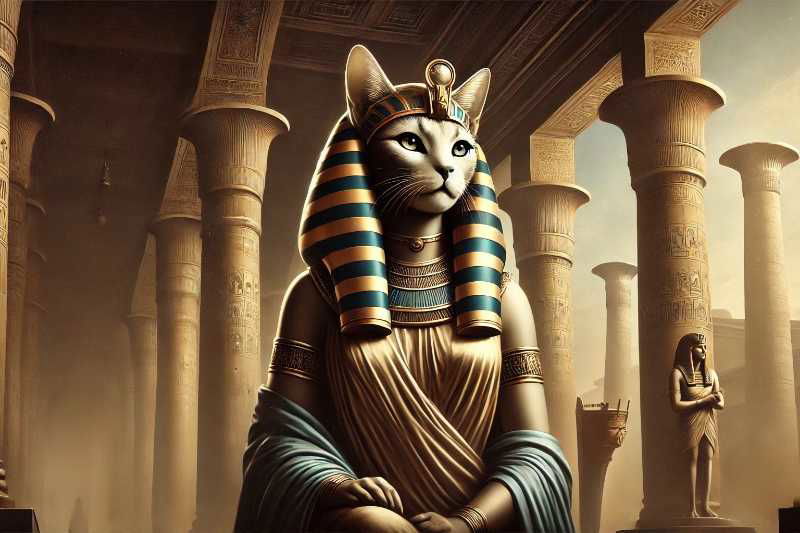
Bastet is associated with the home, protection, and cats. She appears either as a woman with the head of a cat or lioness or sometimes as a full cat. In many images, she holds a sistrum and an ankh. Her role includes protecting households and guarding against illness, particularly for women and children. Cats, considered sacred to her, were kept in homes to control pests and were often mummified after death.
11. Wadjet

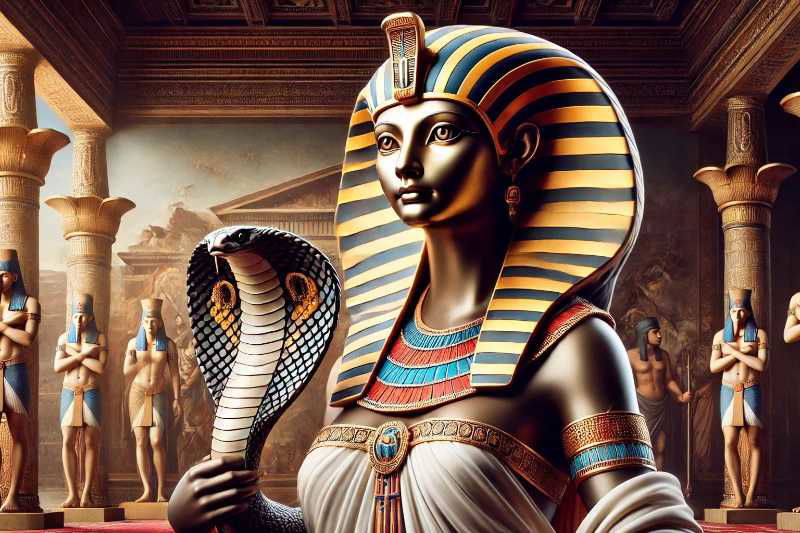
Wadjet, one of the early protective deities, is linked to the pharaoh and the land. She is shown as a cobra-headed figure or as a cobra itself. Her role was as a defender, especially in her connection to the pharaoh and the land, where she was believed to guard against enemies and threats.

She was originally worshipped in the Nile Delta, particularly at Buto, and her influence extended to both political authority and protection in the afterlife.
12. Horus

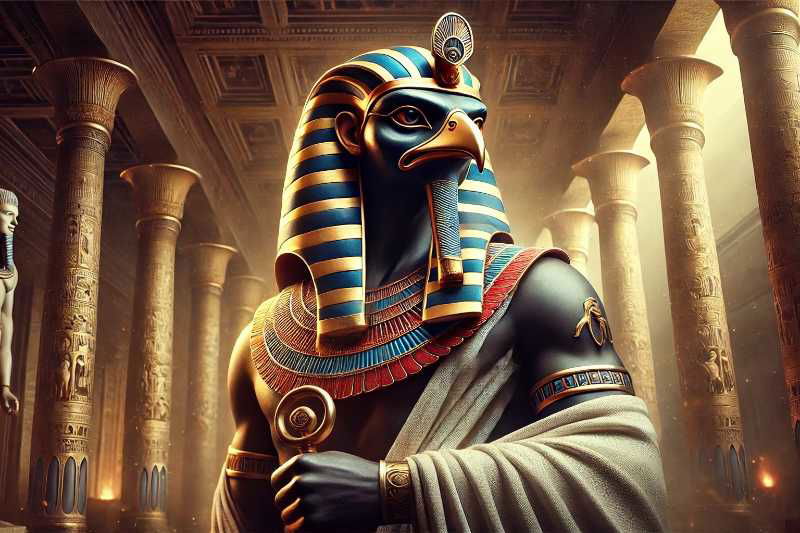
Horus is associated with the sky and kingship. He appears as a man with the head of a falcon, a form tied to his control over the sky. In some depictions, he wears the double crown of Egypt, which combines the symbols of Upper and Lower Egypt. He holds objects such as a was-scepter and an ankh. As the son of Osiris and Isis, he defeats Set in myth and takes his place as ruler.
Source: Author trident

This quiz was reviewed by FunTrivia editor looney_tunes before going online.
Any errors found in FunTrivia content are routinely corrected through our feedback system.
5/30/2026, Copyright 2026 FunTrivia, Inc. - Report an Error / Contact Us