FREE! Click here to Join FunTrivia. Thousands of games, quizzes, and lots more!
Zebra Crossing the Atlantic Trivia Quiz
A Puzzle of British and American Phrases
Some British terms for things make this yank's imagination wander. This quiz relies on colorful differences between U.S. and British English. Each picture is a literal interpretation of a common British term. Match it with the American English equivalent
Just an FYI: while these terms may be used elsewhere in the English-speaking world, the clues are all British English and the answers are all East Coast American English. We will have to save further variations for the Interesting Info section.
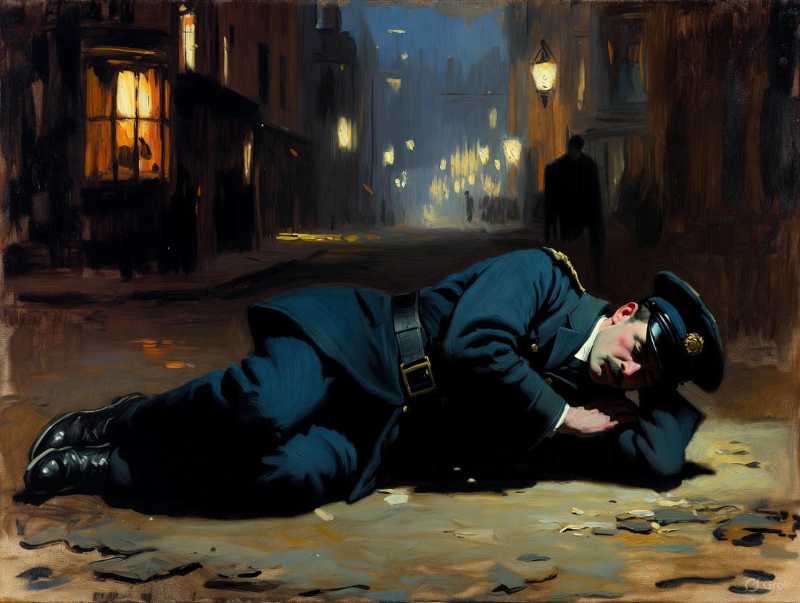
Or as the British know it, a "sleeping policeman". From the perspective of a car, a bump has the same kinematic functions as a tuckered-out constable, hence the idiom. Reading (as one does, to entertain oneself) the Hansard Archive of Parliament transcripts, the mention of sleeping policemen is always hilarious: an equal mix of MPs being powerless to avoid the term (Geoffrey Finsberg, July 1974: "Does my hon. Friend agree that in this context the term 'sleeping policeman' might be applicable, even if it is not the fault of the police?"), and pretending not to have ever used the term in their life (the Viscount Caldecote, Nov. 1990: "so-called sleeping policemen..."). I would think that most cops would have a sense of humor about it, but we Yanks do get by with just "speed bump", you know...
2. Ding-dong ditch
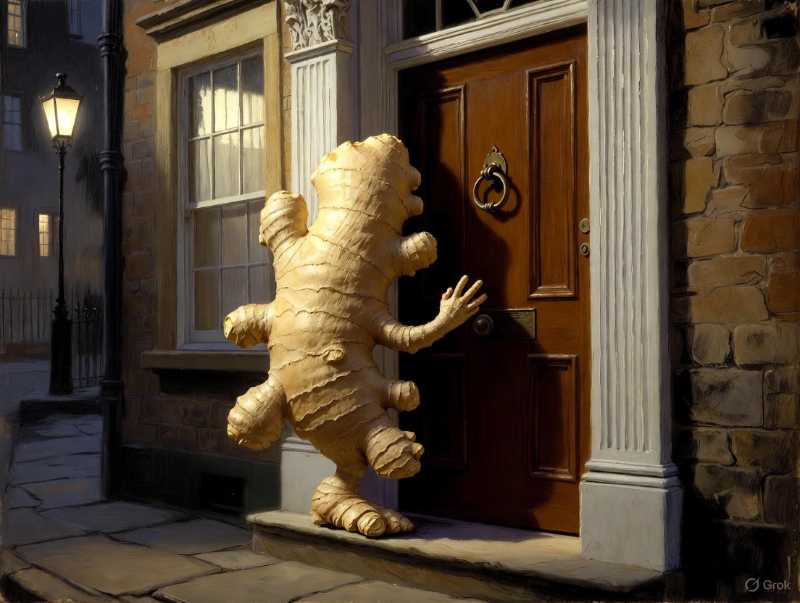
You all know this game: run up to a door, knock or ring the bell, and run away. Flaming dog poop optional. Most Americans would know it as ding-dong ditch, though I've heard "Nicky Nicky Nine Doors" over here too. Britain has as many names for it as ceremonial counties: the one I've chosen to represent here is "knock, knock ginger" (a.k.a. "knock down ginger," "knock off ginger," "knock door run," and "knock and nash"). Gloucestershire apparently calls it "cherry knocking." The reference to ginger is uncertain, but likely originated from some kind of nursery rhyme. This surviving rhyme dates to 1867:
"Ginger, Ginger broke a winder
Hit the winda - crack!
The baker came out to give 'im a clout
And landed on his back."
(John Mackay Shaw, "Childhood in Poetry")
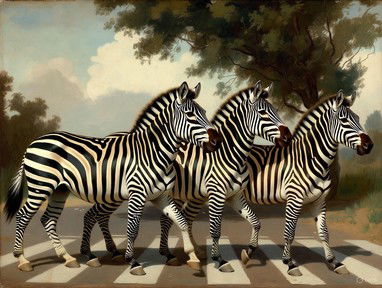
3. Marked crosswalk
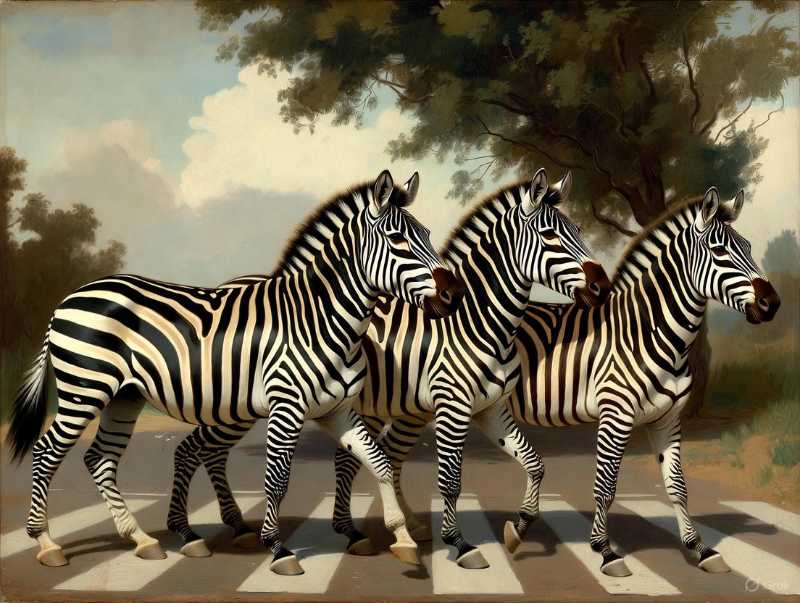
I've never actually heard this called a "marked" crosswalk. We simply call them crosswalks. But never a zebra crossing! Britain has named many of its high-ish-tech pieces of public infrastructure after animals: pelican crossings, puffin crossings, panda crossings... I suppose that's what happens when your country spends money on its public infrastructure.
The most famous zebra crossing is the one on the cover of "Abbey Road" by The Beatles, which remains locked in an endless battle against graffiti artist and pedestrian photo-ops.
4. Rutabaga
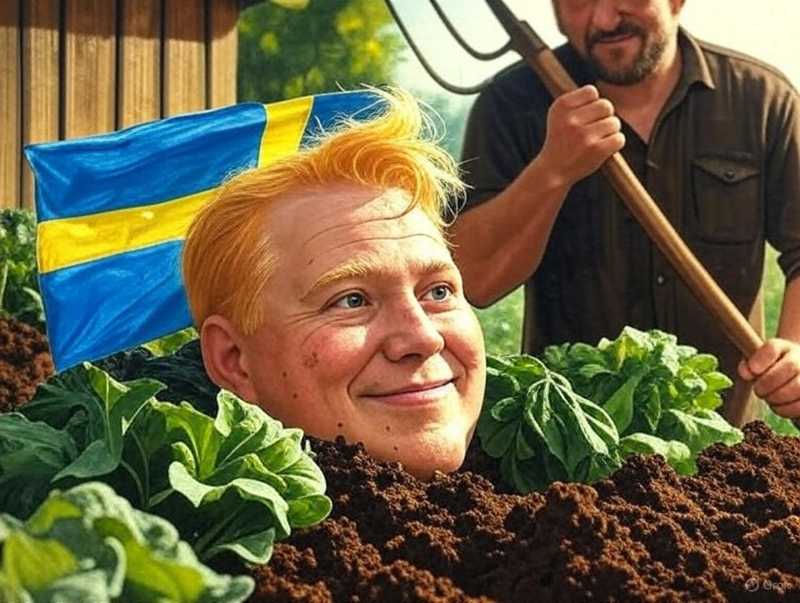
Brits call rutabagas "swedes". My Cornish correspondent tells me, "You can't have a pasty without swede in it!" It will dismay him to hear that I have, and it was swedeless. Like turnip, rutabaga is quite a rare item in our megamarts, and you'd probably have better luck at a farmer's market. Swedes are, in fact, named because they were discovered by the Swiss growing wild in Sweden. "Rutabaga" is itself Swedish for "root bag".
Swedes and turnips are both part of the Brassica genus (which include roughly eight out of ten vegetables you likely eat on a daily basis). Surprisingly, though, while cauliflower, cabbage, kohlrabi and collard greens are all the same Brassica, rutabagas and turnips are two different species - B. napus and B. rapa, respectively. While rutabaga is the same species as canola, turnip is the same species as bok choy!
5. Thumbtack
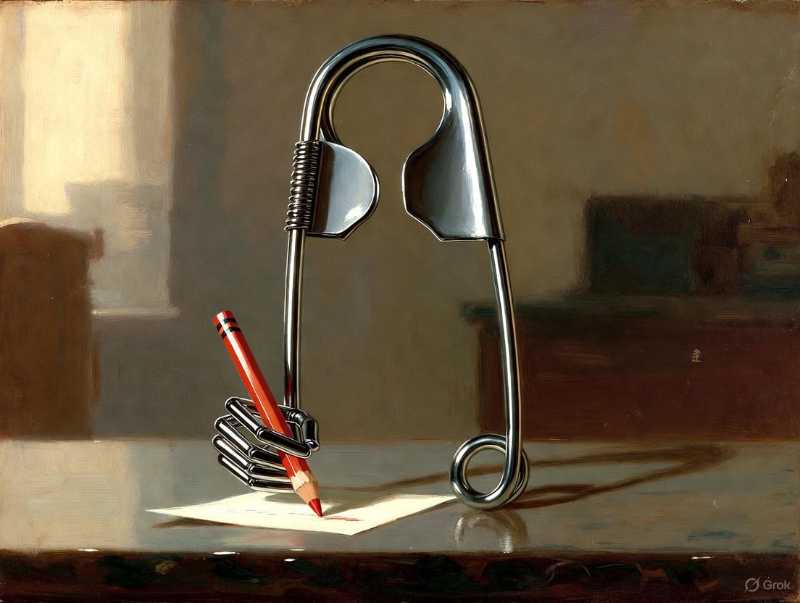
Having recently done a quiz on other dainty fasteners (every one of which seems to have originated in Redditch, England), learning that the drawing pin is an American invention fills me with civic pride. It is our invention and our innovation: the first versions were mass-produced in the 1750s, while a modern version (made of glass and steel rather than plastic and aluminum) was patented by Edwin Moore of Newark, NJ in 1900.
In the U.S. a thumb tack (or push pin) is never a "drawing" pin - though given its stately origins, we came up with the term "drawing pin" first, too. That makes it a fairly rare Yankeegenic case of that common trans-Atlantic phenomenon where one of us loans the other a custom and then switches to something else (as happened with the word "soccer", "gotten" as a past tense of "get", the imperial measurement system...). Drawing pins were designed for drawing boards (drafting tables). When you get down to brass tacks, it may behoove you to go back to the drawing board.
6. Crossing guard
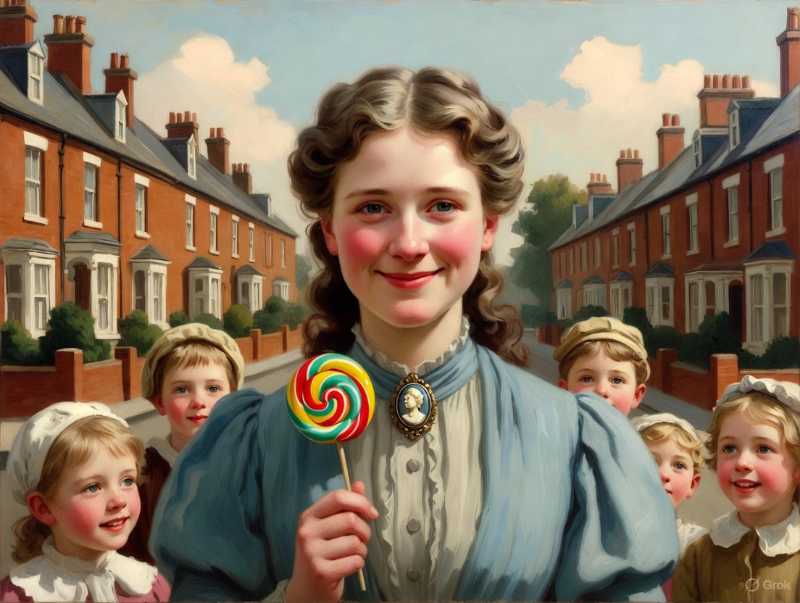
Crossing guards - the boys and gals in the fluorescent who help kids cross the street to get to school - are called lollipop men and lollipop ladies in the U.K. Roadside flaggers on construction sites may also be called lollipop people. The term was actually invented by a British ventriloquist, whose dummy warned kids to watch out for the lollipop men. I take it the kids listened well, as the name stuck.
The difference is largely to do with a difference in hardware: in America, both flaggers and crossing guards normally carry an octagonal STOP sign. Britain uses circular, lollipop-shaped signs instead. Stop signs in general are fairly uncommon, especially compared to YIELD signs. (I saw "How many sides does a stop sign have?" stump Jeremy Clarkson on "Who Wants to Be a Millionaire?" - in the U.S. that'd probably too easy for "Are You Smarter than a Fifth Grader?")
7. Cupcake
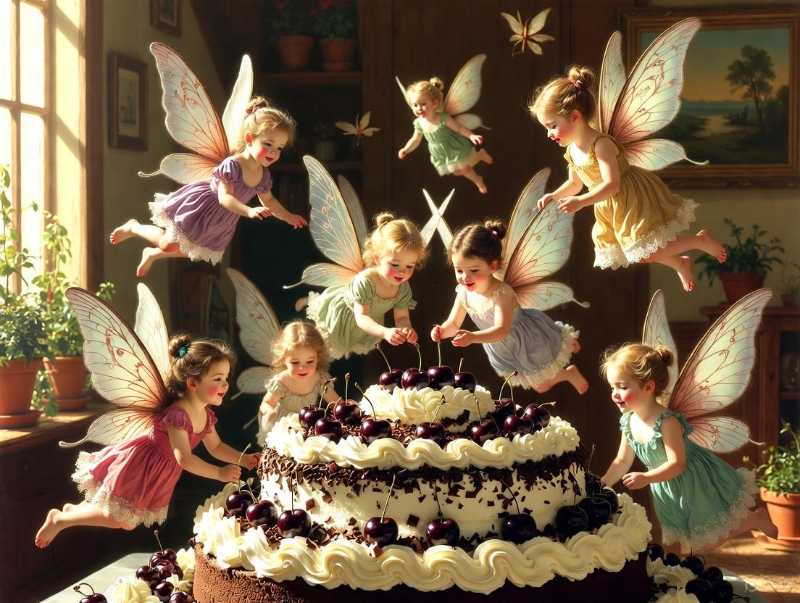
A cupcake is a cake that comes in a paper cup - the British name for them is "fairy cakes". Cakes baked in cups were first documented in America's very first cookbook, Amelia Simmon's "American Cookery". Today, a cupcake chain based in Beverly Hills has begun installing curbside "cupcake ATMs" across the U.S.
Not surprisingly, fairy cakes are usually smaller than cupcakes. America's motto: "With great defense spending comes poor portion control."
8. Mardis Gras
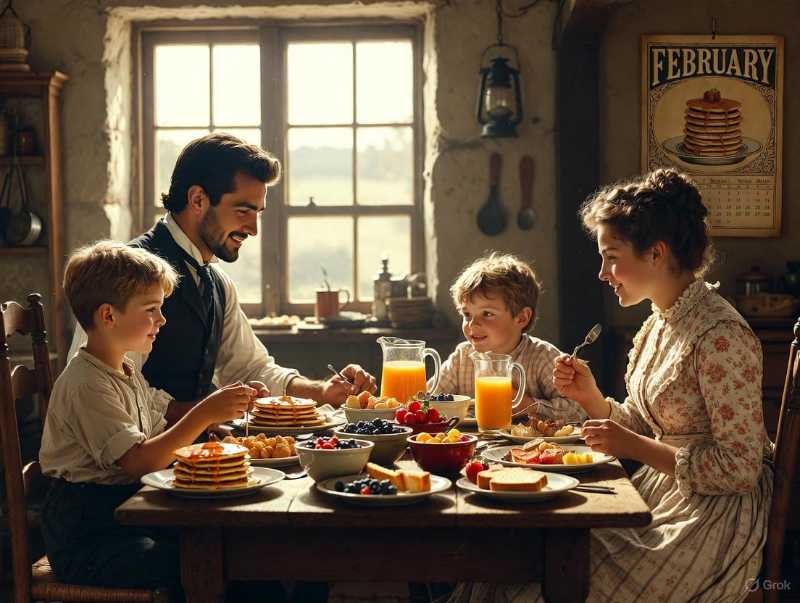
As far as I can make of it, my image of Pancake Day is the only one that's less exaggerated than the thing itself. Mardis Gras - Fat Tuesday - Carnival - Pancake Day - all are observations of Shrovetide, the four-day period preceding the Christian season of Lent. For those who celebrate Shrovetide as Carnival, such as in New Orleans, Mardis Gras is the culminating holiday of overindulgence, just before the fasting of Lent.
For Brits, it really is a day of pancake gluttony: pancake cooking, pancake eating, pancake racing. Since 1445, the town of Olney has held an annual race where women dressed in skirts carrying pans with pancakes (contestants must flip the cake twice mid-race), all for a grand prize of 100 pounds. A town in Kansas has brought the tradition stateside, to much less fame. Peculiarly, the American race uses American pancakes (flapjacks), while the British race uses British pancakes (oat cakes), though they still compare times.
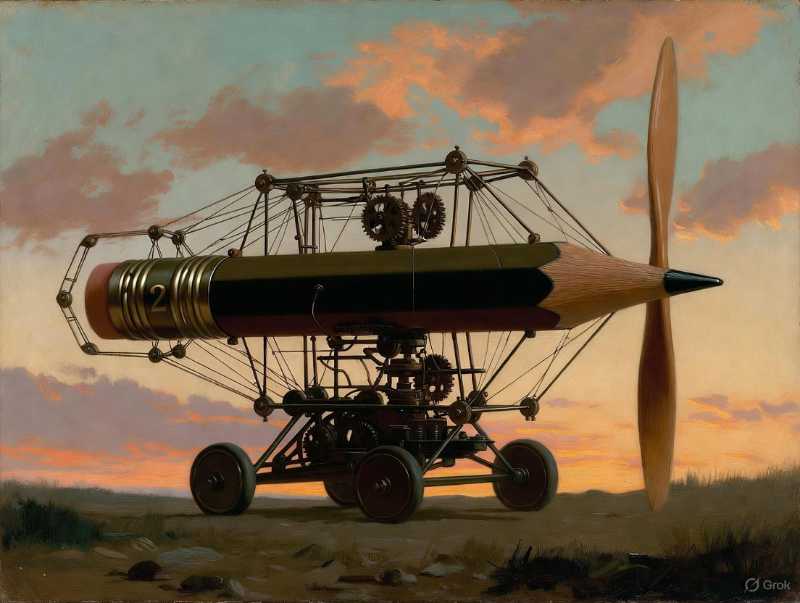
9. Mechanical pencil
A propelling pencil (also called by the brand name Pacer in Australia) is the kind which holds brittle sticks of "lead" (really graphite), which peek out of the holder as you depress a plunger at the top. The advantage is that you never have to bother with a pencil sharpener. Because they use thin sticks of lead, they produce lines of more consistent width than other pencils. The oldest surviving propelling pencil, complete with a mechanism to propel the lead, is an artifact from the ill-fated HMS Pandora, which wrecked in its pursuit of the Bounty.
We always called them "lead pencils" when I was a lad. And yes, we were fully aware it wasn't actual plumbum inside the pencils.
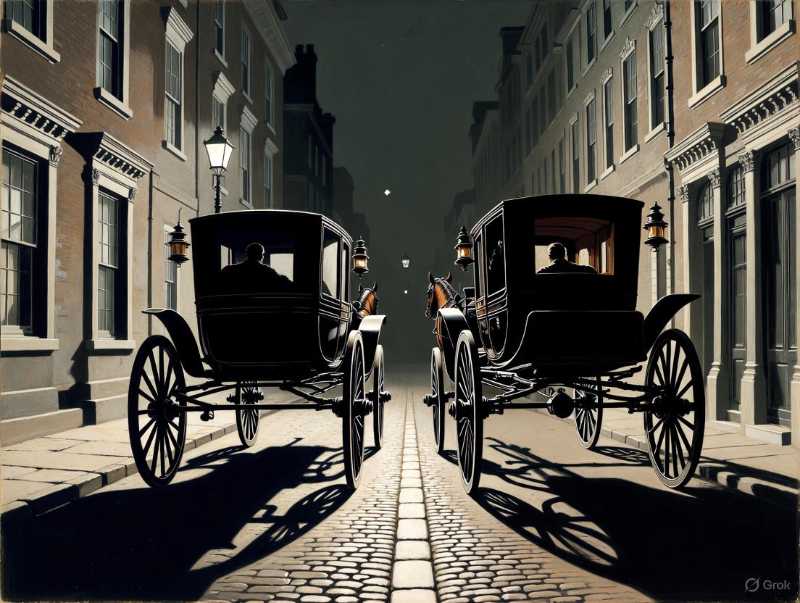
10. Divided highway
Americans don't use the phrase "dual carriageway" for a divided highway; we instead prefer the Orwellianly bland "divided highway." Neither do we call a road with no division a "single carriageway" (in fact I've never found a need to describe this phenomenon). The first divided highway was built in Carver, Massachusetts in 1860, while the first dual carriageway was longer in coming: the Great West Road, built in 1925.
Obviously, "carriage" means a motor vehicle rather than a horse-drawn cart. Contrary to popular belief, "car" is not short for "carriage." The two terms independently traveled divided highways, as it were, from the Latin "carrus" to English.
It never occurred to me that "automobile" is considered an Americanism, but my Cornish correspondent (and many other Brits) consider it to be so. It's more common in reference to "the automobile industry," or as "auto" or "automotive" in businesses ("an auto body mechanic" - what Brits call a panel beater).
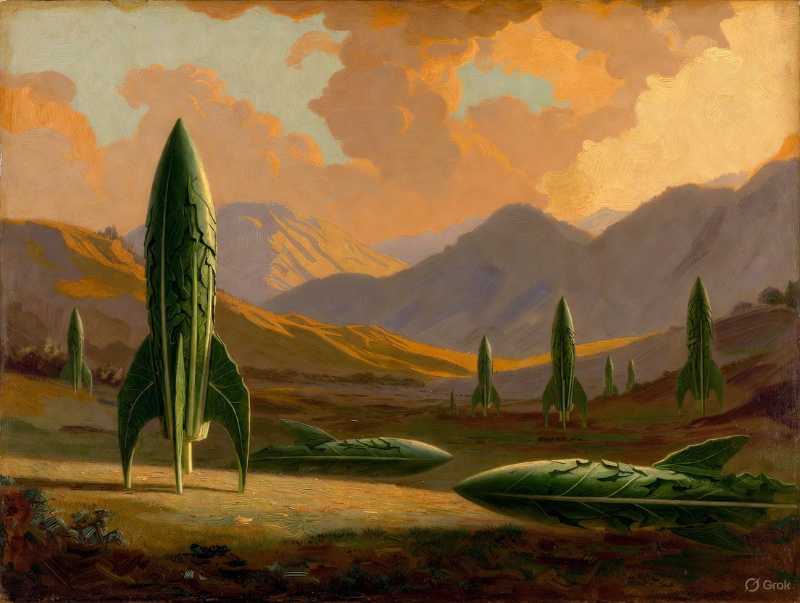
11. Arugula
Eruca sativa's two most common names, rocket and arugula, are both diminutives of its genus name - "rocket" from French "roquette," and "arugula" from Italian "ruchetta." I will call it by another of its names, rucola, to keep everyone equally unhappy.
The plant has an intense, overpoweringly bitter flavor and a narrow shape, so it usually sneaks its way in among other leafy greens - though I've been to some trendy places that serve rucola straight, no chaser. (Not too surprising, then, that "eruca" is an etymological sister of "horror.")
Rucola has had a reputation since ancient times as an aphrodisiac. A growing body of scientific literature gives those old superstitions credence: apparently it regulates testosterone.
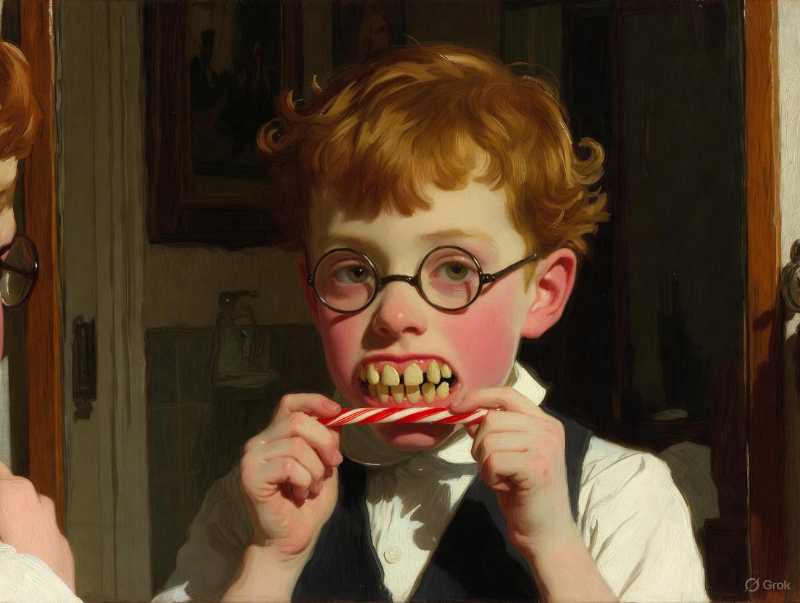
12. Cotton candy
Candy floss, a.k.a. cotton candy, was invented in honor of the 1904 World's Fair by a candymaker and a dentist. That explains the "floss" bit, then. The machines that make cotton candy continuously melt sugar and then forces it through a mesh, making the candy stringy. A very similar stringy confection from China is called dragon's beard, but consists of rice flour rather than sugar.
The stuff was originally sold as "fairy floss," which is what Australians call it to this day. If you eat fairy floss with fairy cake, expect a visit from the Tooth Fairy.
This quiz was reviewed by FunTrivia editor looney_tunes before going online.
Any errors found in FunTrivia content are routinely corrected through our feedback system.