FREE! Click here to Join FunTrivia. Thousands of games, quizzes, and lots more!
Veritably Invertebrate Trivia Quiz
Classify the Invertebrates
Insects always seem to steal the show when it comes to the invertebrate world, but there is a veritable world of other organisms that inhabit the various phyla lacking a vertebral column. Can you match them to their correct groups?
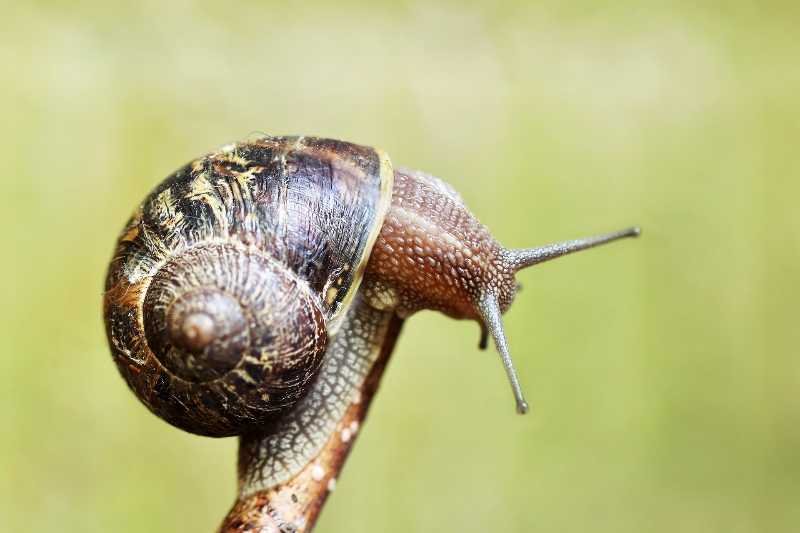
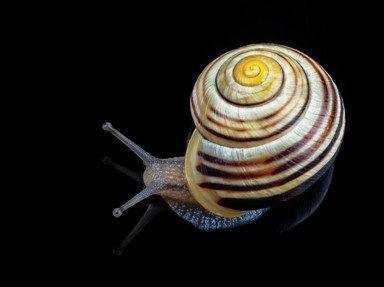
Snails, members of the class Gastropoda, appear in habitats ranging from damp forests to dry deserts. Most carry a spiral shell, which protects the soft body tucked inside. Movement comes from a muscular foot that contracts in slow, wave-like motions, leaving a thin trail of mucus behind.
Their diet usually includes plants, algae, and decaying matter, though some species also eat insects or carrion. With more than 100,000 species identified, they vary widely in size and behavior.
2. crustacean
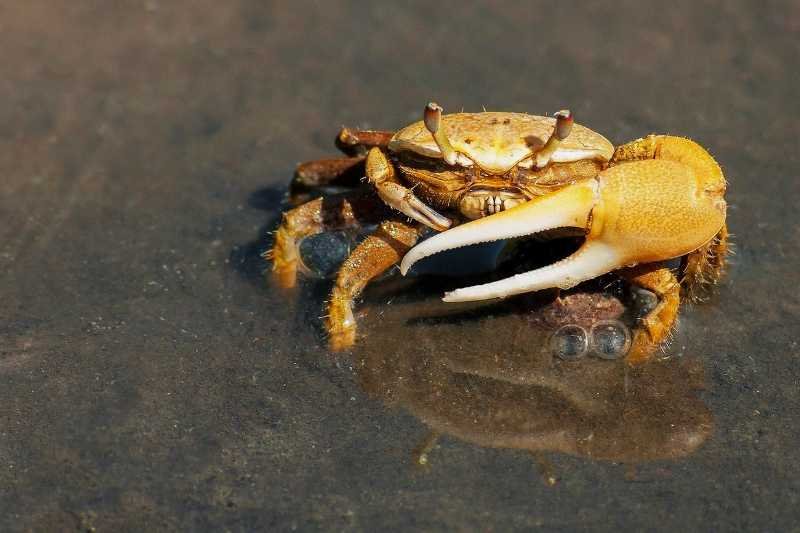
Crabs occupy coastal zones, rocky shores, and even deep ocean environments. Their sideways movement, powered by jointed legs, allows them to navigate uneven terrain efficiently. Their claws handle multiple tasks, from cracking shells to defending against predators. Diet depends on species but often includes algae, small fish, mollusks, and organic debris.
Some scavenge, while others actively hunt, which places them in different roles within marine food webs.
3. arachnid
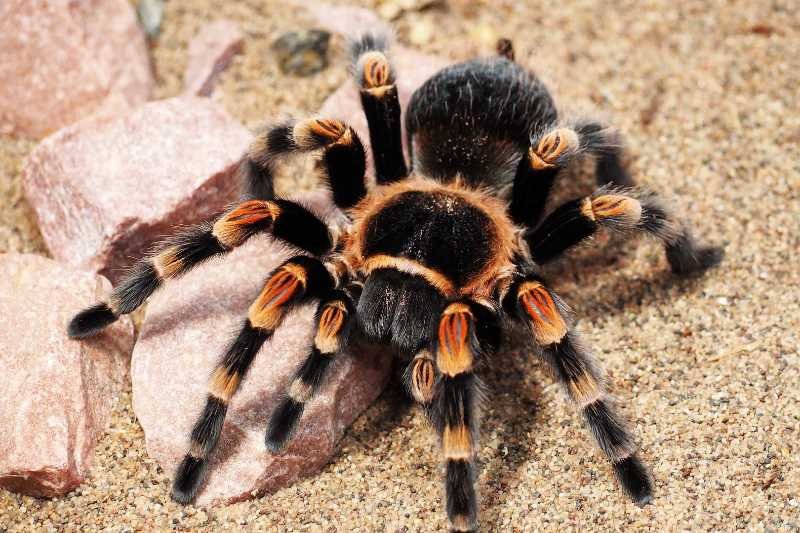
Large and covered in dense hair, tarantulas live in deserts, forests, and grasslands. Their bodies include eight eyes arranged in rows, though vision is less important than their ability to detect vibrations. They hunt mostly at night, targeting insects like crickets and beetles.
They inject venom with their fangs to immobilize prey before feeding. During the day, they remain in burrows or hidden spaces, emerging only when conditions are favorable.
4. mollusk
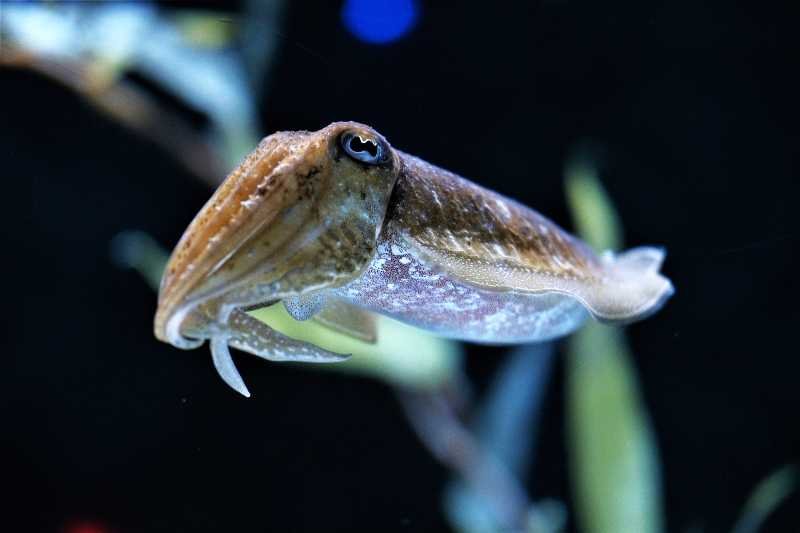
Cuttlefish, a type of cephalopod, move through coastal waters with a level of control that reflects their complex nervous systems. Their skin contains chromatophores, which allow rapid shifts in color and pattern. This ability serves as both camouflage and communication.
When hunting, they extend tentacles equipped with suction cups to seize prey such as small fish and crustaceans. A beak-like mouth then tears the food apart.
5. annelid
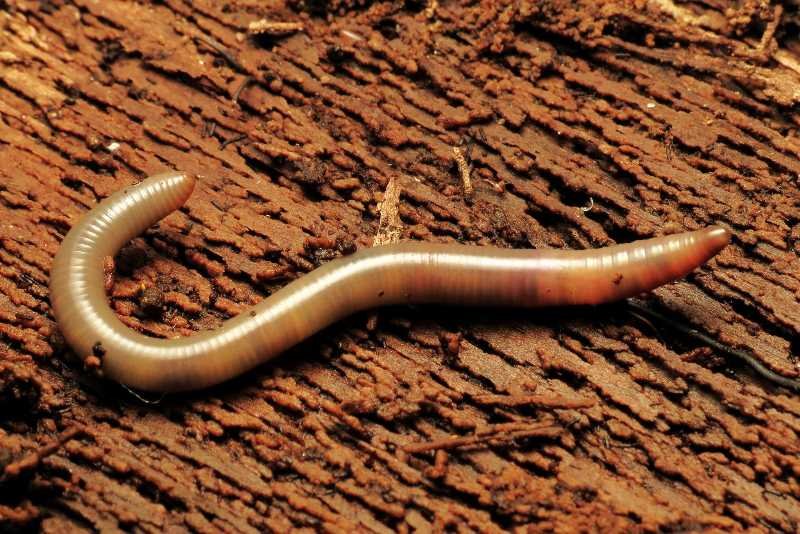
Working below the surface, earthworms break down organic material in soil. These annelids feed on decaying leaves, roots, and other debris, processing it as they move. Their burrowing loosens soil and improves water movement, while at the same time, their digestion releases nutrients like nitrogen and phosphorus. Birds and small mammals often feed on them, placing earthworms at the center of multiple food chains.
6. arachnid
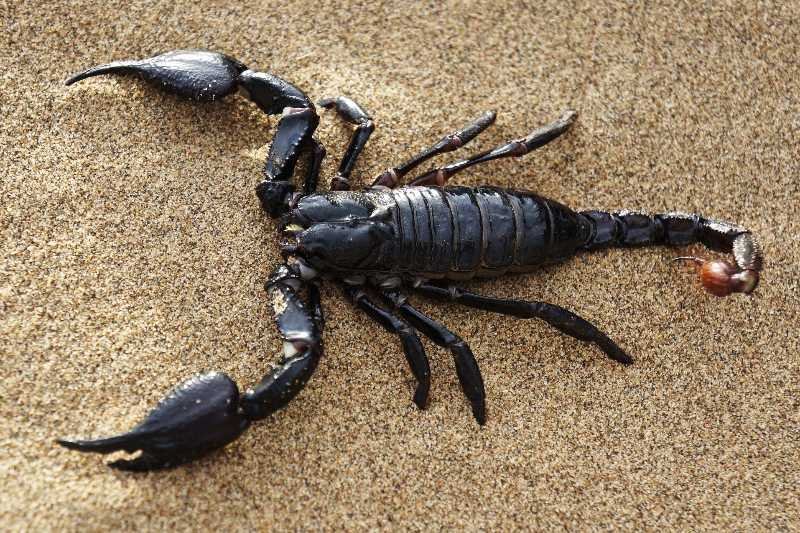
Scorpions, arachnids characterized by their curved tails and stingers, live in environments ranging from deserts to forests. Their bodies are segmented, with pincers used to grab prey. Once captured, prey is subdued with venom delivered through the stinger on its tail. Most species target insects or small animals like lizards.
Despite their venomous sting, most scorpions are not lethal to humans and only use their venom for hunting and self-defense.
7. crustacean
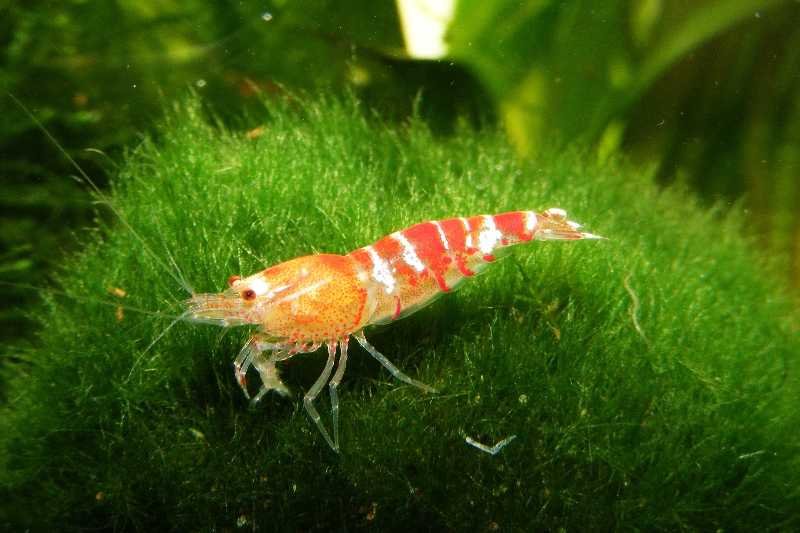
Shrimp, part of the order Decapoda, inhabit both saltwater and freshwater environments, from shallow coasts to deep ocean floors. Their small size allows them to occupy a wide range of ecological niches. They feed on algae, plankton, and organic debris, acting as scavengers.
In turn, they are eaten by fish, birds, and marine mammals. Because of their abundance, they play a central role in aquatic food systems and support large fishing industries.
8. mollusk
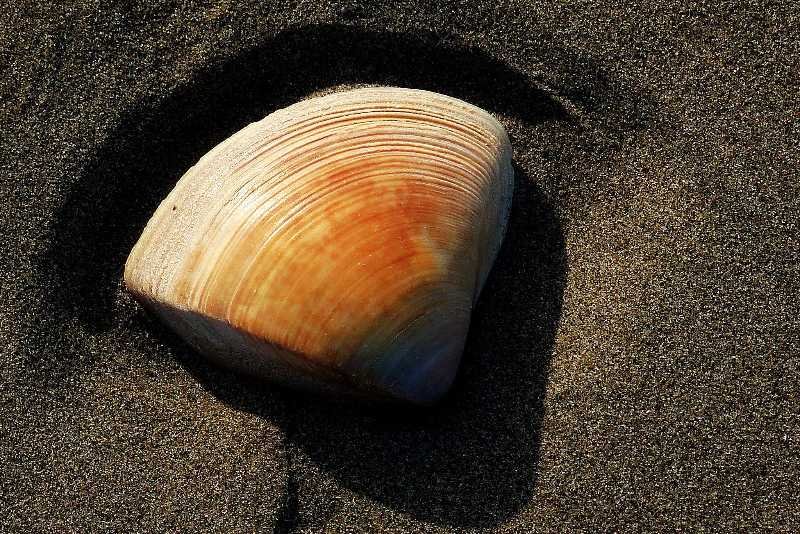
Clams live buried in sand or mud, using their two-part shells for protection. Through siphons, they pull in water and filter out plankton and organic particles for food. This filtering process improves water clarity and helps regulate nutrient levels. Found in both freshwater and marine environments, clams vary widely in size and lifespan, depending on species and conditions.
9. annelid
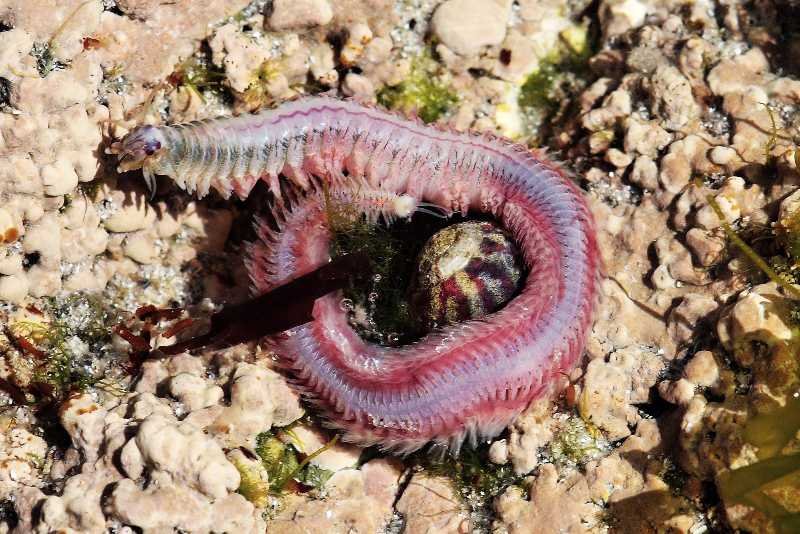
Ragworms are segmented marine worms that inhabit coastal sediments where they burrow through sand or mud. Their bodies include bristles that assist with movement. As carnivores, they feed on small invertebrates and organic matter; a muscular pharynx allows them to seize prey directly.
In coastal ecosystems, they function as both predators and scavengers while also serving as food for fish and birds.
10. annelid
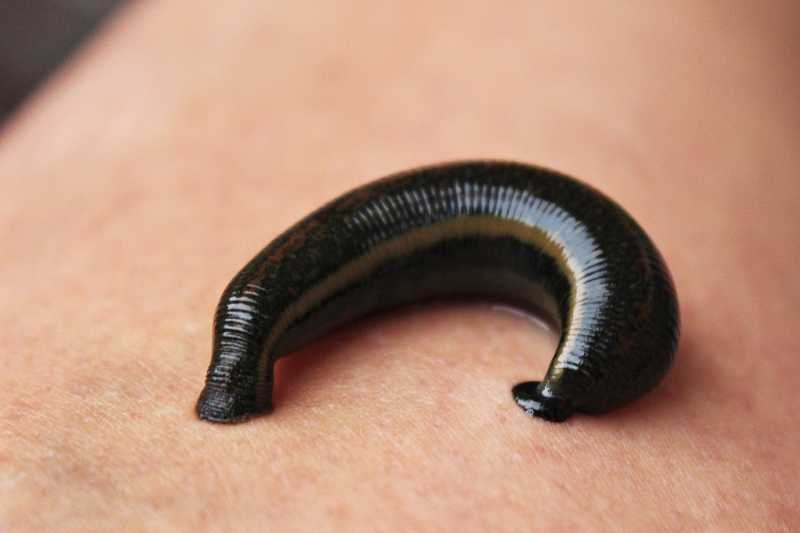
Leeches are annelids equipped with suckers at both ends of the body. These structures allow them to attach firmly to hosts or surfaces. Many species feed on blood, using sharp jaws and anticoagulants to maintain flow while feeding. Others consume small invertebrates or decaying material. They are found in freshwater habitats and moist terrestrial areas such as marshes and forests.
11. arachnid
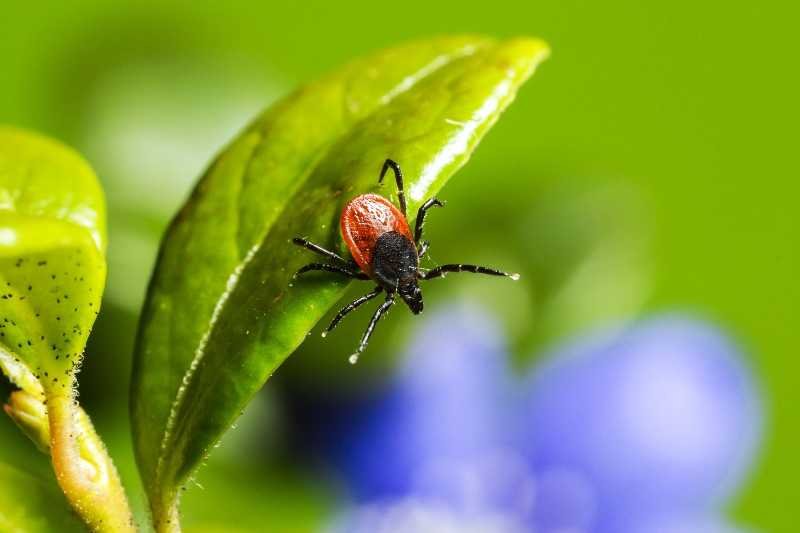
Ticks are actually arachnids related to spiders. They live in grasslands, forests, and brushy areas, attaching to hosts using specialized mouthparts that anchor securely into the skin. Their feeding process involves drawing blood over extended periods.
Some species transmit diseases such as Lyme disease and Rocky Mountain spotted fever. Their life cycle includes four stages, each requiring a blood meal to progress.
12. crustacean
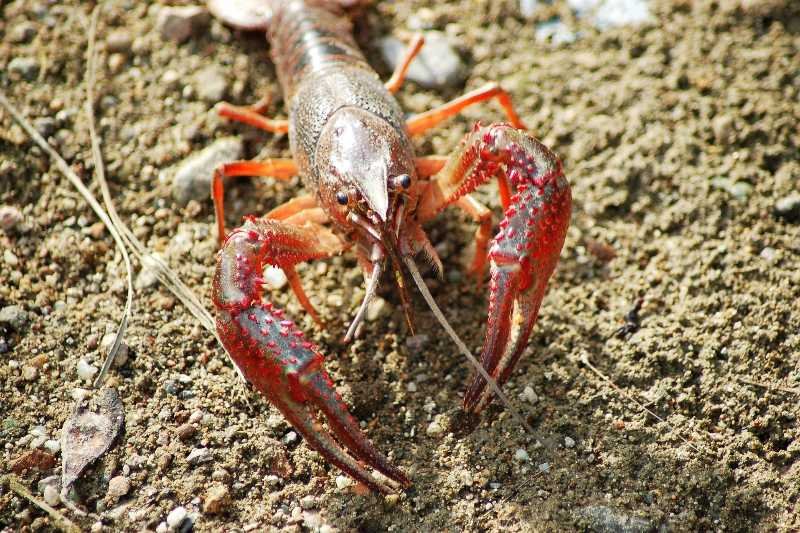
Crayfish are freshwater crustaceans that inhabit rivers, lakes, and ponds, often digging burrows into mud or gravel. Their bodies resemble small lobsters, complete with claws used for feeding and defense. They consume a wide range of materials, including algae, plants, small animals, and carrion.
This quiz was reviewed by FunTrivia editor rossian before going online.
Any errors found in FunTrivia content are routinely corrected through our feedback system.