FREE! Click here to Join FunTrivia. Thousands of games, quizzes, and lots more!
Cabbage? Please! Trivia Quiz
Recipes Made With Cabbage
Considered by many to be a superfood, cabbage is not just low in calories. It is also high in vitamins and minerals, improves digestion, eases inflammation, and might even lower blood pressure. And the best part? It's readily available and affordable!
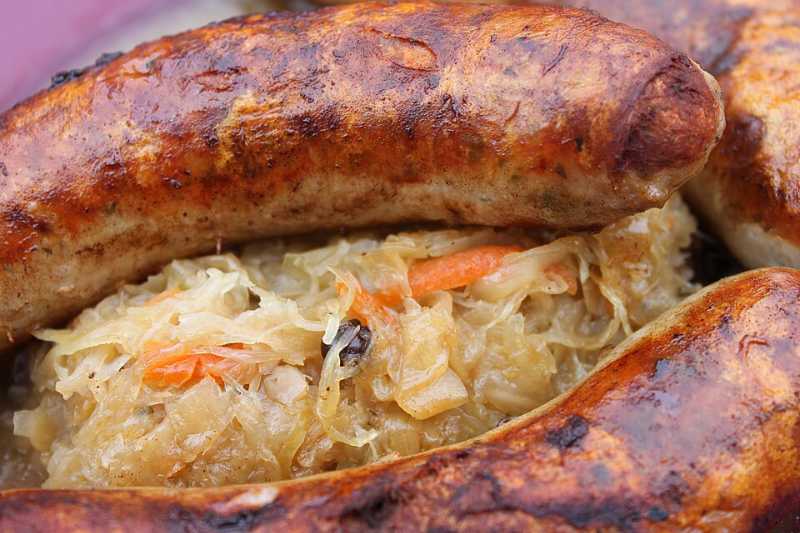
Sauerkraut, which literally translates from the German as sour cabbage, has been eaten for centuries, dating back to the Roman Empire. Marcus Porcius Cato, who lived from 234-149 BC, mentioned in his writings that cabbages and turnips were preserved in salt, and Plinius the Elder, who lived in the first century AD, described that it was done by storing the salt cabbage in earthenware containers. Sauerkraut was valued because it was cheap, available, and easy to transport. Even by the 1700s Captain Cook made sure to bring it on his voyages because it helped to prevent scurvy.
The recipe for sauerkraut is simple, as it only includes cabbage and salt, however, it takes a long time to make it. Using a process called pickling or lactic acid fermentation, the finely shredded cabbage and salt are placed in an airtight container and stored for months at 60 °F (15 °C). Even though some recipes say it takes only a week to ten days, it is important to note that the longer the mixture ferments, the more sour and soft the cabbage becomes. Storing the mixture for months makes it better - trust me!
Since sauerkraut is such a widely used food, there are many regional variations to the recipe. In Eastern European countries apples or carrots are commonly added to the cabbage. Some countries pickle an entire head of cabbage. There are recipes that call for the addition of other ingredients such as dill, caraway seeds, or juniper berries. In American cuisine, sauerkraut is used as a condiment along with mustard on foods such as bratwurst or hot dogs.
2. Kimchi
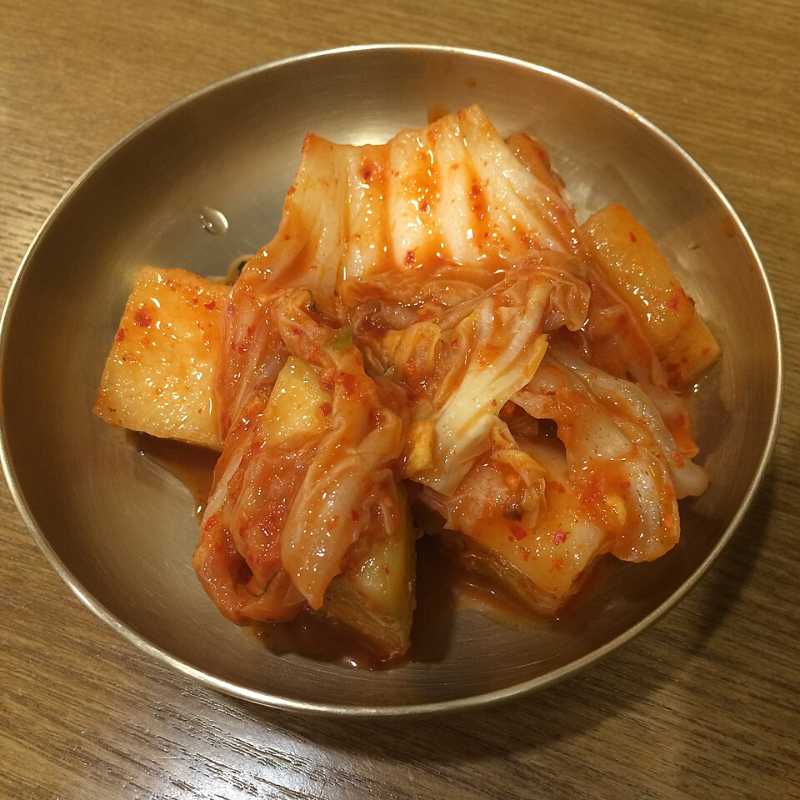
Kimchi is believed to have been first eaten during the Three Kingdoms of Korea by the Goguryeo (37 BC-668 AD). They made kimchi during the winter, fermenting the vegetables and burying them below the ground in onggi, which were brown ceramic pots. It became even more popular when Buddhism spread through the country during the Silla Dynasty (57 BC-935 AD), as people were eating more vegetarian foods.
Although today the dish is seasoned with chili pepper, the traditional recipe did not include a lot of spices; they were introduced from the Americans in the early 1600s. In addition, the dish was made with a variety of different vegetables - and still is today. Napa cabbage, one of its modern main ingredients, was not introduced in Korea until the late 1800s.
Eaten at nearly every meal - even breakfast - in Korea today, kimchi is made with either napa cabbage, Korean radish, or even cucumbers that are seasoned with Korean red pepper flakes called gochugaru, fish sauce, garlic, ginger, onions, and, of course, sea salt, which initiates the fermentation process. A paste made with rice flour is added to help the spices adhere to the vegetables. The mixture is left at room temperature for at least a day, however, it becomes more flavorful if allowed to sit out longer. Then it is placed in the refrigerator, where it continues to ferment at a slower pace and lasts for up to six months. Kimchi is usually eaten cold, right out of the refrigerator, but it can also be warmed to room temperature or added to hot dishes like stews.
3. Colcannon
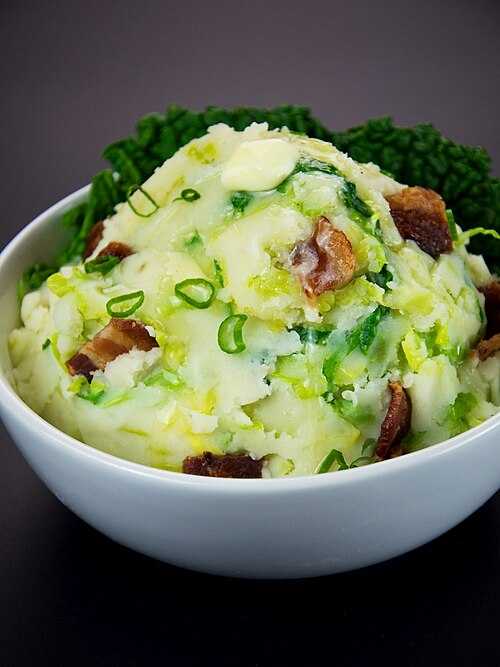
William Bulkeley, a Welshman, made the first mention of colcannon in his diary while visiting Ireland in 1735. Its name is believed to have been derived from "cal ceannann", which in Gaelic means white-headed cabbage. Made with simple ingredients from Irish farms, today it is still seen as a staple, comfort food.
Traditionally made with potatoes, which were introduced to Ireland in the 1600s, cabbage or kale, onions, cream or milk, and butter, colcannon is also called Irish mashed potatoes. During Samhain (Halloween) charms or coins can be placed in the mixture that are believed to be able to foretell one's future. Often served as a side dish, it is also a popular food around St. Patrick's Day.
Whatever you do, don't confuse colcannon with the Scottish version called rumbledethumps. While colcannon is mashed, rumbledethumps is baked and topped with cheese. There is also champ in Ireland, which does not use cabbage in the recipe, and bubble and squeak in England, which is made with left overs - not just cabbage and onions - and fried.
4. Golabki
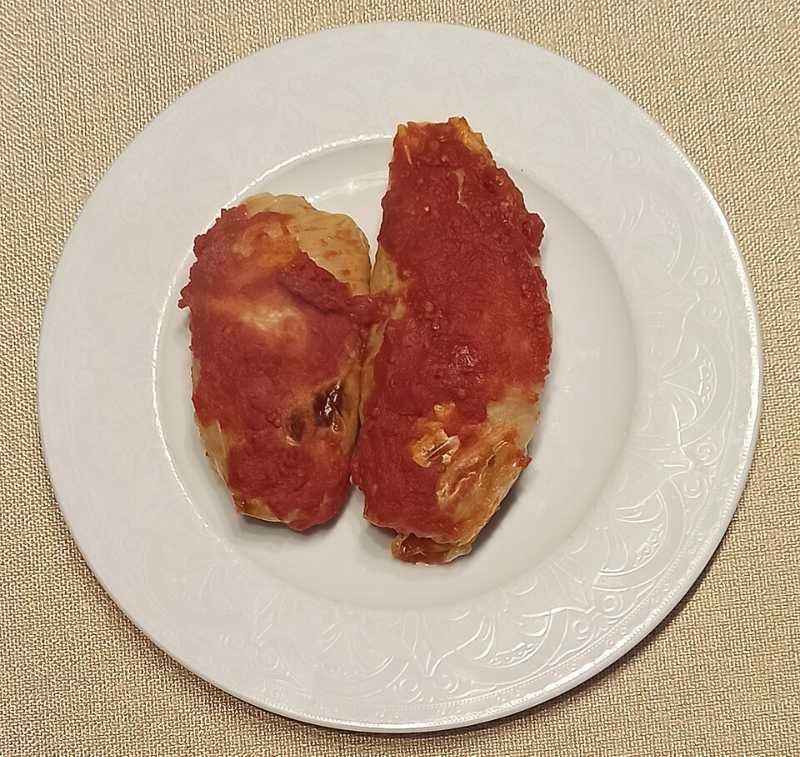
A cabbage roll is called golabki, or little pigeon, in Poland, sarma in Turkey and Bosnia, and kåldolmar in Sweden. Sometimes it is called a pig in the blanket or stuffed cabbage. Widely eaten in Central and Eastern Europe, Africa, and Asia for centuries, it is likely that many groups invented the dish at the same time, as all areas also cultivated cabbage.
While each region has its own special twist on the recipe, cabbage leaves are the main ingredient. Traditional golabki is made with fresh napa or green cabbage, and can be stuffed with meat, vegetables, rice, and spices, and then cooked in a tomato sauce. Sarma may be made with fermented cabbage leaves and cooks in a clear broth. Kåldolmar is served with lingonberry jam.
It is likely that holishkes, the Yiddish word for cabbage rolls, entered the culinary scene first, approximately 2500 years ago. They were served to represent a bountiful harvest. As they were introduced to other cultures, golabki, sarma, and kåldolmar followed. Filling and affordable, cabbage rolls became a food staple.
5. Coleslaw
The word coleslaw is derived from the Dutch "koolsla", which means cabbage salad. Originating in the Netherlands, a recipe in "The Sensible Cook" (1667) suggested using finely shredded cabbage and adding melted butter, vinegar, and oil. Mayonnaise wasn't invented until the early 1800s.
It is easy to see that the only ingredient in a coleslaw recipe that is a must is the cabbage. A variety of other ingredients, such as pepper, bacon, onions, carrots, and even celery seed, can be used. Of course, using a vinaigrette dressing as opposed to mayonnaise lengthens its refrigerator life.
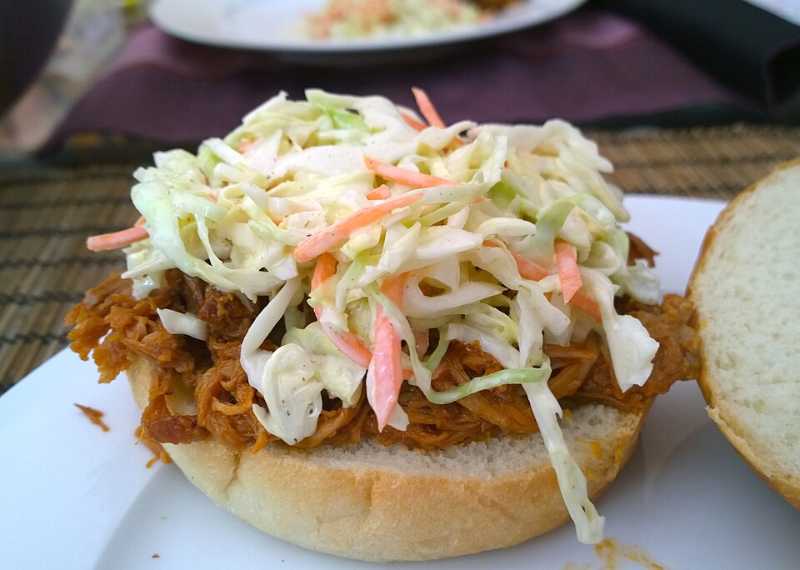
Coleslaw in its many forms and names is a popular side dish all over the world. In case you haven't tried it - let me encourage you to put some on top of your next hamburger or pulled pork sandwich. With either vinegar or mayonnaise, it is delicious!
6. Okinomiyaki
Funoyaki, a thin crepe-like food created in the 1600s, is likely to be the earliest form of okonomiyaki, which was introduced as a confectionery in Japan in the 1930s. Its name is derived from the words "okonomi", which means how you like and "yaki", which means grilled. After WWII, the dish became popular because it was both inexpensive and helped to take the place of rice, which was scarce.
The traditional recipe, which some call a Japanese pizza or pancake, is really quite simple, and uses cabbage, eggs, flour, and water. Its translated name - how you like - indicates that after WWII people were happy to make the pancakes with the ingredients they had on hand or what was available.
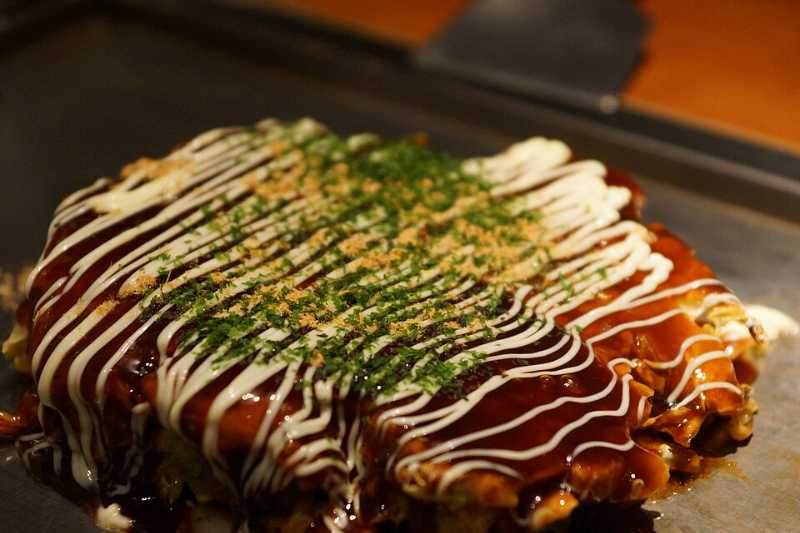
Today there are two main variations of okonomiyaki, and both still use cabbage as an ingredient. In the Kansai or Osaka style the dish is still prepared as a pancake, but it can have lots of additional ingredients, including meat, onion, and cheese, that are mixed with the batter. The batter is fried then on both sides and topped with different sauces. In the Hiroshima area, the pancake is made and then different ingredients are layered on top. The example in the picture is the Kansai version.
7. Lakror
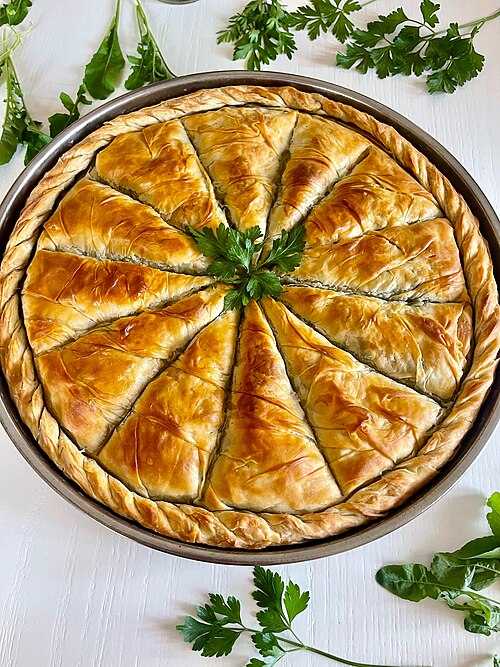
The person who made this beautiful cabbage pie must be proud! It is called lakror, and comes from Albania. Derived from the word "lakër", in Albanian, it means leafy vegetable or cabbage.
Traditionally a lakror is made with filo dough that is then filled with a variety of ingredients, such as cabbage, lamb, feta, leek, eggs, and tomato; today there are many variations. There is a brushtul lakror that is made with eggs, butter, feta, and cottage cheese.
Each year the city of Korçë in Albania holds the Lakror Festival. During this celebration, local homemade lakror can be sampled, and visitors may even choose to attend a workshop to learn traditional recipes.
8. Shchi
Cabbage was introduced to Byzantium in the 800s AD, and by 988 AD shchi became an important staple in Kievan Rus. Even though it was inexpensive to make, it became a popular food among all social classes, not just the peasants. It was used as a sign of hospitality; in fact, there is a folktale that Khan Baty, the grandson of Genghis Khan, did not sack a Russian village because he was offered shchi there.
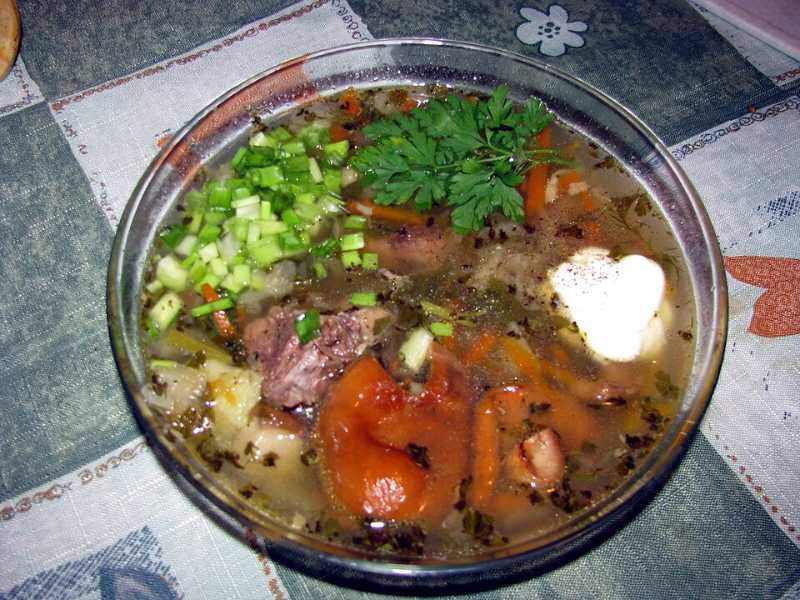
Shchi is made with fresh cabbage or sauerkraut, when it becomes sour shchi. It was typically served as a soup with fish or meat, mushrooms, flour, and onion or garlic spices. Today it is common to add potatoes, carrots, turnips, sour cream, and parsley to the mixture. It is associated with a popular saying, "Without shchi, lunch is not lunch".
Believe it or not, shchi can also be frozen; historically, people would freeze it as they traveled around and cut off pieces as needed. It was also made as a drink that was used to cure hangovers.
9. Jiggs Dinner
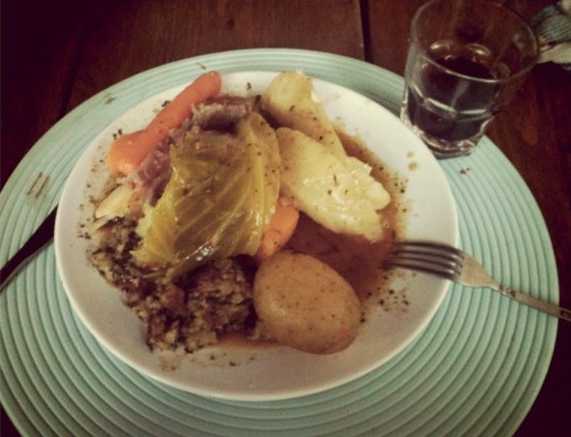
Originating in Newfoundland, Canada, a Jiggs Dinner is also called a boiled, cooked, or Sunday dinner. It typically consists of salt beef, cabbage, potatoes, carrots, peas, and turnips that are all boiled together.
One story tells that Newfoundlanders liked to dance or do a jig while the pot boiled, while another says the name is related to Jiggs being the name of the company from which salt beef was imported. It also is believed to relate to a comic strip called "Bringing Up Father"; in it, the main character named Jiggs liked to eat corned beef and cabbage.
The recipe can vary according to available ingredients, but back in the day many of the vegetables were root vegetables which were stored away in cellars, hopefully to last during the long winter. While the beef and peas - for the traditional pease pudding - had to be soaked overnight, and the root vegetables had to be chopped, once assembled, it is easy to make a Jiggs Dinner because everything is boiled in the same pot. By the way - even the peas are cooked in the same pot, placed in a cloth pudding bag to boil with the rest.
10. Curtido
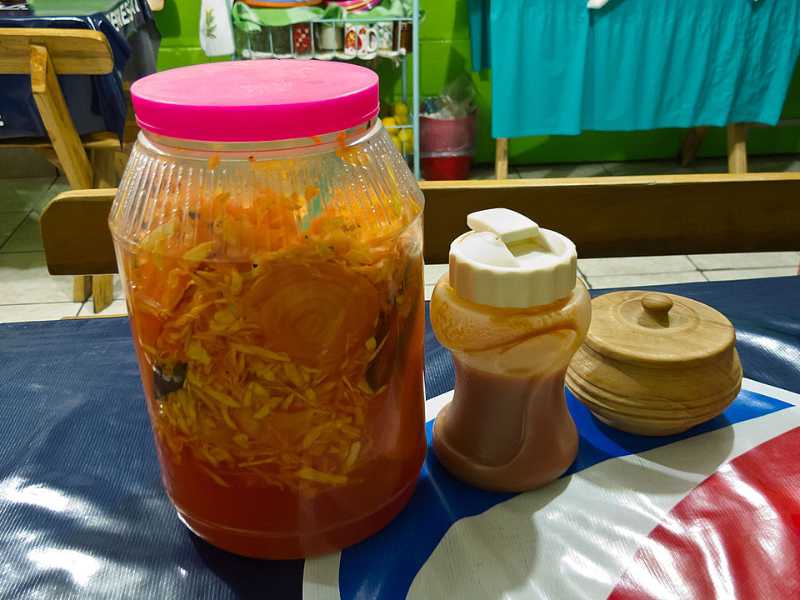
Curtido originated in El Salvador with the Lenca and Pipil tribes, who already had used salt fermentation to preserve vegetables. When the Spanish arrived, however, they introduced the use of vinegar and brought cabbage and carrot plants which were combined with local ingredients to make curtido.
Often called Salvadoran coleslaw, the name is derived from the word "encurtido", which means pickled. Cabbage, onions, and carrots are combined with the habanero chili pepper, vinegar and salt, although other spices may be used according to taste. Although it may be eaten after a couple of hours in the refrigerator, most recipes suggest that it is tastier after a day.
Curtido is traditionally served with pupusas, which are thick corn torillas which have been stuffed with cheese, beans, or meat. The Pilpi tribe has been making them for over 2,000 years. Pupusas even have their own national holiday in El Salvador, celebrated on the second Sunday in November; there are, however, also several regional variations with different vegetables and spices found throughout Latin America.
This quiz was reviewed by FunTrivia editor Bruyere before going online.
Any errors found in FunTrivia content are routinely corrected through our feedback system.