FREE! Click here to Join FunTrivia. Thousands of games, quizzes, and lots more!
Fabric Fascination Trivia Quiz
Match the Fabric Patterns
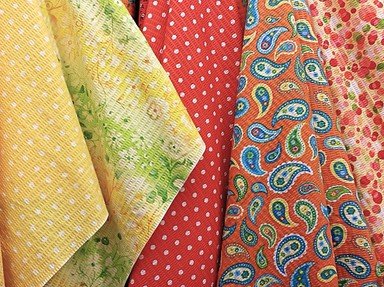
The clothing world has long held on to classic patterns that continuously catch the eye from generation to generation. See if you can recognize these 12 patterns. (Click the images to get a closer look!)
May 05 2026
:
Kinginapod: 10/12
May 05 2026
:
Guest 104: 7/12
May 02 2026
:
bergmania: 12/12
May 02 2026
:
Guest 152: 9/12
May 02 2026
:
Bowler413: 12/12
May 02 2026
:
Guest 47: 12/12
May 01 2026
:
Guest 67: 12/12
Apr 30 2026
:
Guest 184: 12/12
Apr 27 2026
:
BigTriviaDawg: 12/12
Quiz Answer Key and Fun Facts
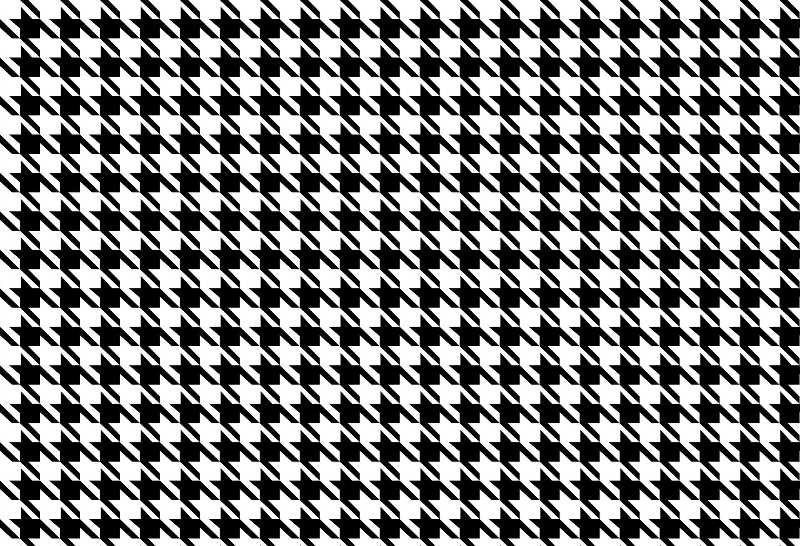
1. houndstooth
Originating in Scotland in the 1800s, houndstooth is built from a two-tone pattern of broken checks that form small, jagged, four-pointed shapes. It is traditionally woven in wool using a twill technique, and the fabric was designed to handle cold, damp conditions. Over time, it moved well beyond its practical roots. Today, houndstooth appears in tailored suits, coats, skirts, and accessories, where its repeating geometry gives it a formal, structured look.
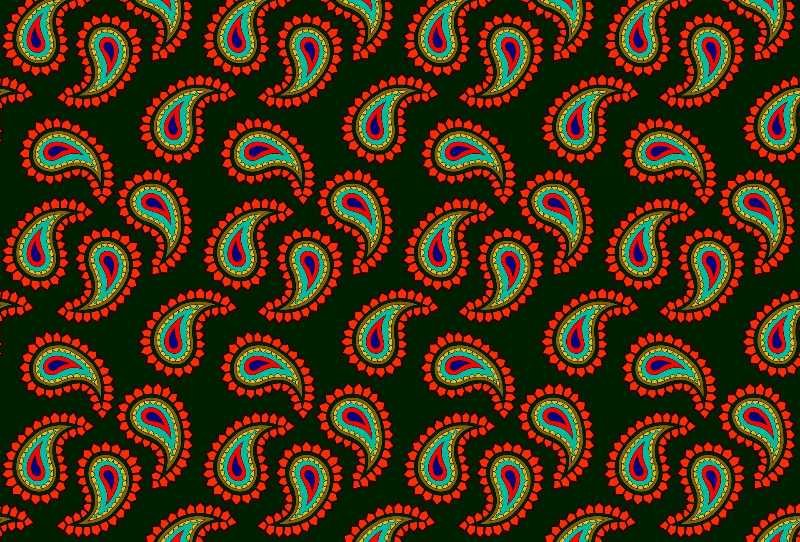
2. paisley
Paisley traces back to Persia during the Sassanid period, where the teardrop-shaped motif first appeared. The design spread along trade routes into India and eventually to Europe. By the 18th and 19th centuries, it had become strongly associated with the town of Paisley in Scotland, where it was widely produced.
In modern fashion, the pattern shows up on scarves, dresses, blouses, and accessories.
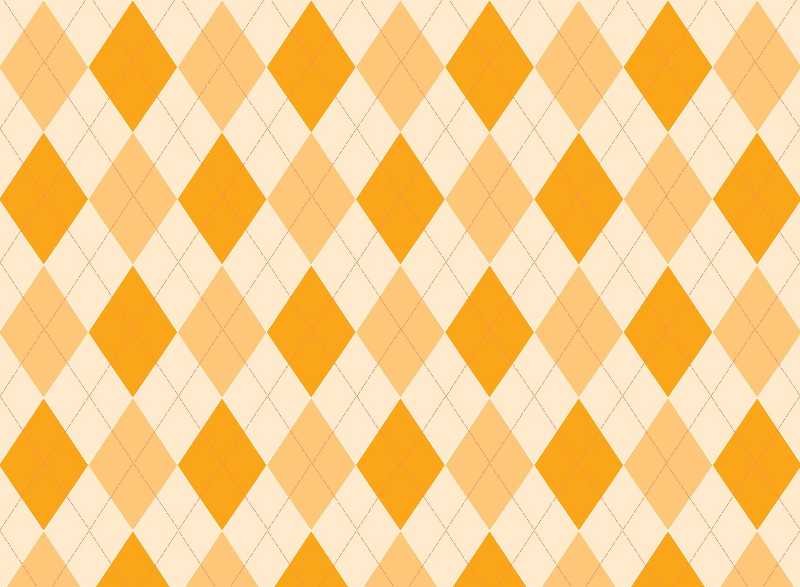
3. argyle
Named after the Argyll region of Scotland, argyle features a grid of overlapping diamonds arranged in a repeating pattern. The design often uses contrasting colors, with thin lines crossing over the diamonds to create a layered effect. Originally tied to kilts and clan tartans, argyle became more widely adopted in the early 20th century.
It now appears frequently on sweaters and socks, giving them a clean, preppy feel.
4. pinstripe
Pinstripes developed in 19th-century men's tailoring, especially in London's financial district. The pattern consists of thin, evenly spaced vertical lines set against a darker background. At first, it was closely associated with bankers and formal business wear. Over time, it expanded into a wider range of clothing, including suits, trousers, and even casual pieces.
The vertical lines tend to give the appearance of an elongated body.
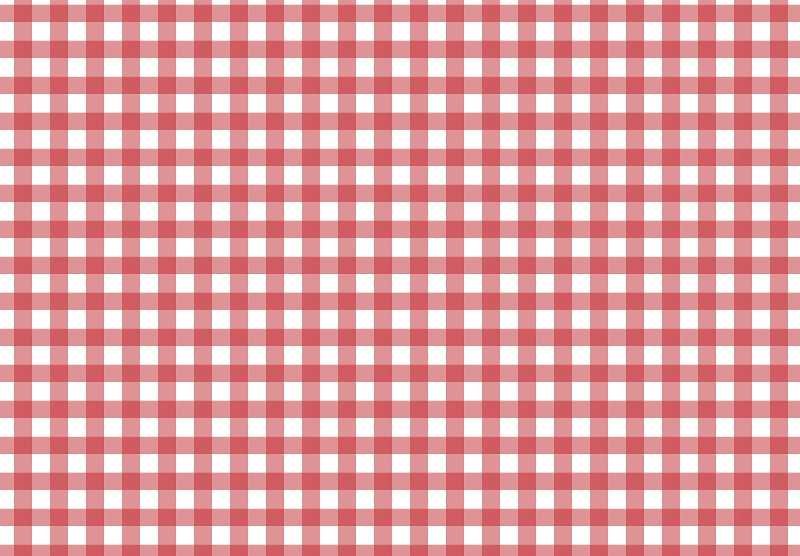
5. gingham
Gingham, with its evenly sized checks, likely originated in Southeast Asia before becoming popular in Western fashion during the 18th century. The name itself comes from the Malay word "genggang." The pattern usually alternates white with a single solid color, creating a simple, balanced grid. It is commonly used in dresses, shirts, skirts, and blouses.
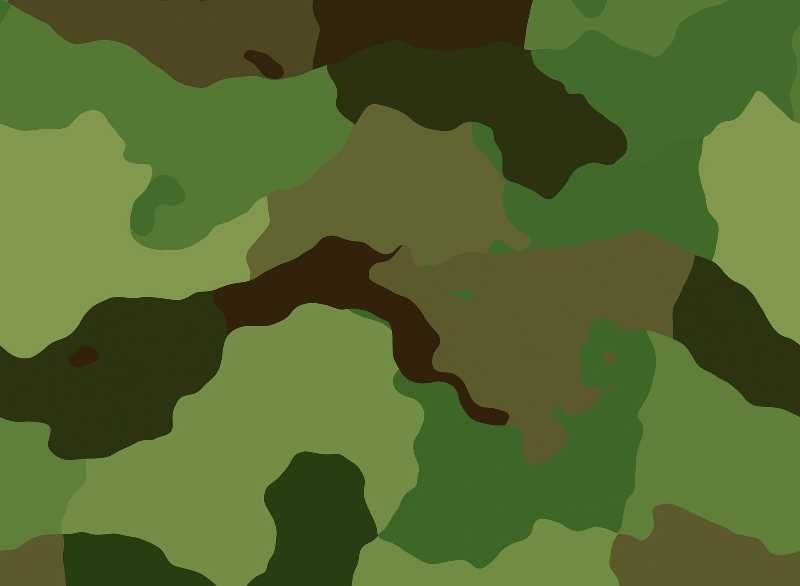
6. camouflage
First developed for military use in the early 20th century, camouflage was designed to break up outlines and help soldiers and equipment blend into their surroundings. By the 1960s, it had taken on a different meaning, becoming part of counterculture fashion. Since then, it has moved into mainstream clothing, appearing on jackets and pants.
7. chevron
The chevron pattern, defined by its repeating V-shaped lines, has roots that go back to ancient Greece and Mesopotamia, where similar forms appeared in pottery and decoration. The pattern later appeared in military insignia and heraldry. In clothing, it shows up on dresses, tops, skirts, and accessories.
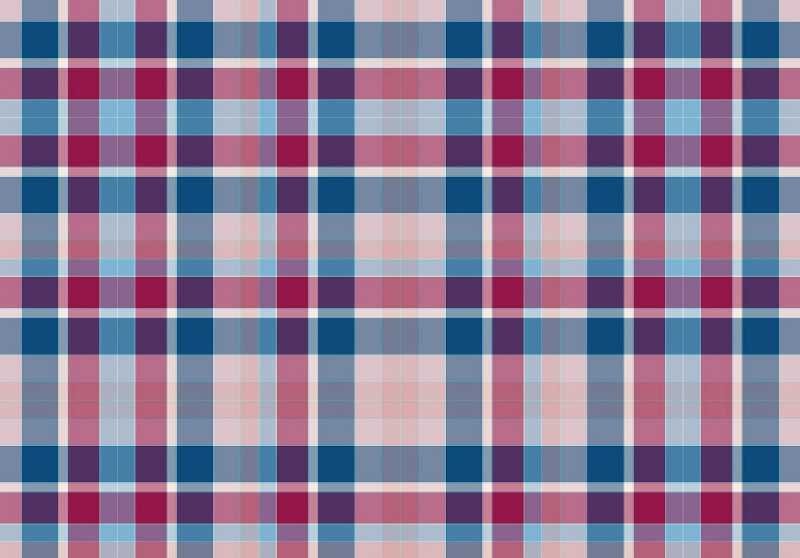
8. madras
Madras fabric originated in Chennai, India, and is known for its lightweight weave and multicolored plaid patterns. The material became popular in the West during the 19th century through British trade. Because it is breathable, it is often used in warm-weather clothing such as shirts, shorts, and dresses.
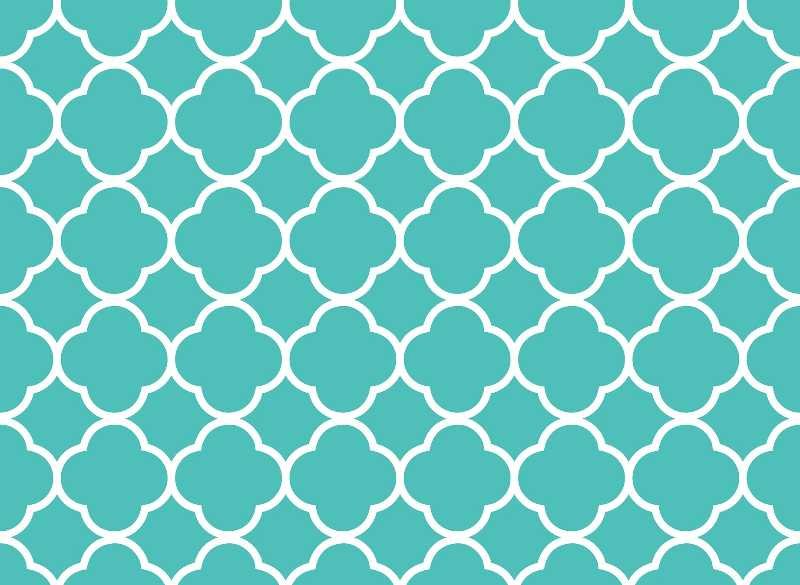
9. quatrefoil
The quatrefoil pattern, named from the French words for "four leaves," forms a repeated shape resembling a clover or flower. It first appeared in medieval architecture, especially in Gothic and Renaissance designs. It later transitioned into textiles and accessories. Today, it appears on dresses, scarves, and bags.
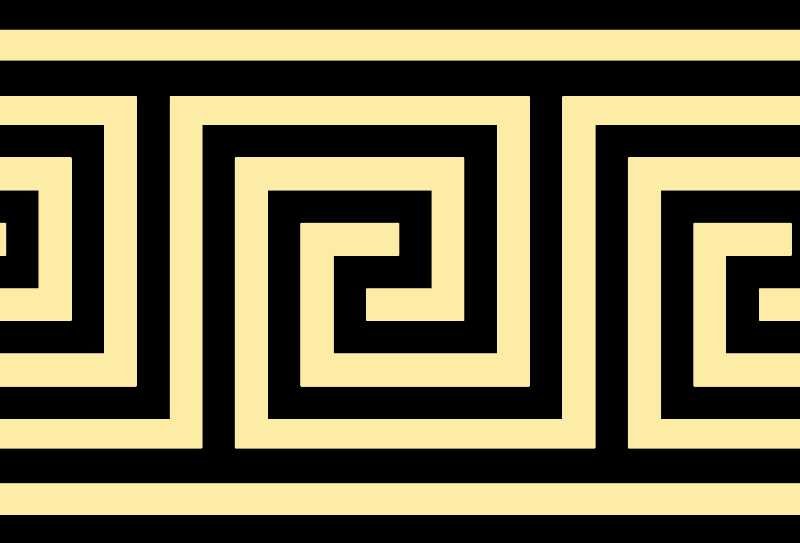
10. Greek key
Also known as the meander pattern, Greek key is built from a continuous line that turns at right angles to form a repeating, interlocking design. It originated in ancient Greek art and architecture, often used to represent infinity or unity. In modern fashion, it appears on both clothing and footwear.
11. tartan
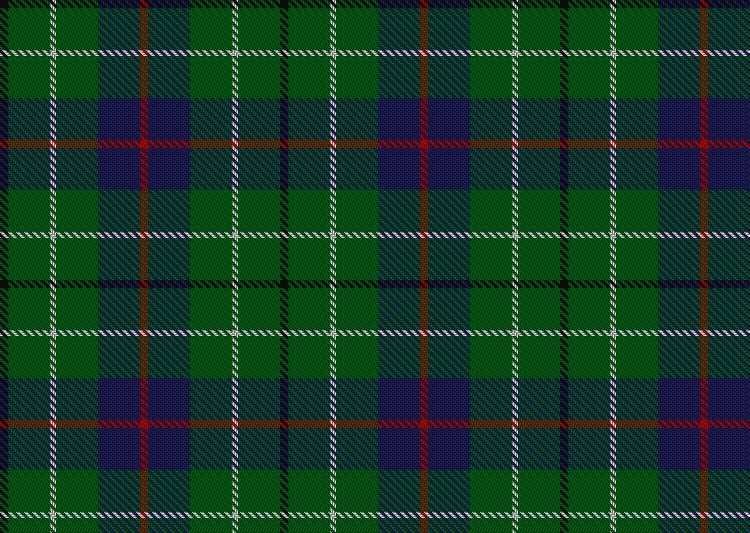
Tartan consists of intersecting horizontal and vertical stripes arranged in a grid, with specific color combinations tied to Scottish clans or regions. Historically, it was used in kilts as a marker of identity. Although it still carries those associations, tartan now appears in a wide range of clothing, including shirts, skirts, dresses, and scarves.
12. polka dot
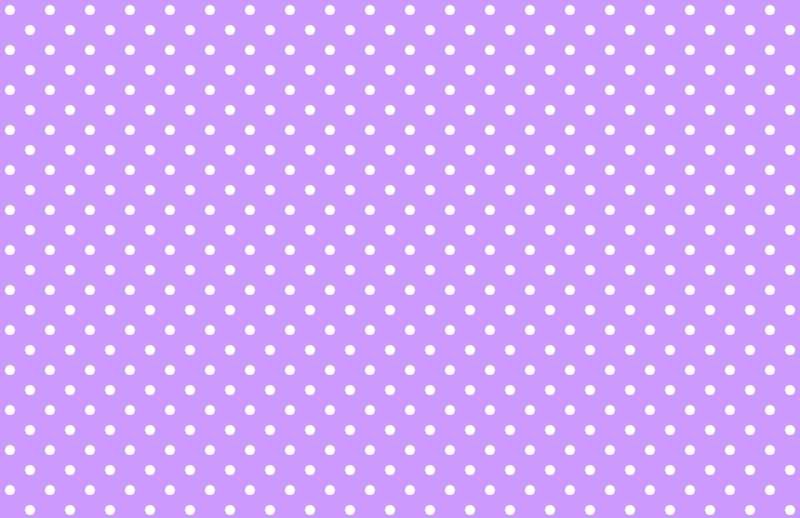
Polka dots are made up of evenly spaced circular shapes on a contrasting background and became popular in the mid-19th century. The name comes from the polka dance, which was widely popular at the time. The pattern spread quickly across Europe, especially in France and England, and became a recurring fashion element. It appears on dresses, blouses, and skirts.
This quiz was reviewed by FunTrivia editor ponycargirl before going online.
Any errors found in FunTrivia content are routinely corrected through our feedback system.