FREE! Click here to Join FunTrivia. Thousands of games, quizzes, and lots more!
Quiz about Cabbage Varieties

Cabbage Varieties Trivia Quiz


Cabbage was gathered and consumed for thousands of years in Europe and Asia before being domesticated at least by 1,000 BC. Classified under the "Brassicaceae" family, and "Brassica oleracea" species, it belongs to the cruciferous vegetable family.

by ponycargirl. Estimated time: 3 mins.
  1. Home
  2. »
  3. Quizzes
  4. »
  5. Hobbies Trivia
  6. »
  7. Fruit and Vegetables
  8. »
  9. Vegetable Mixture

Author
ponycargirl
Time
3 mins
Type
Quiz #
423,307
Updated
Mar 04 26
# Qns
10
Difficulty
Average
Avg Score
8 / 10
Plays
122
Awards
Top 5% quiz!
Last 3 plays: kstyle53 (10/10), piet (10/10), mickeyp (8/10).
There are more than 400 different varieties of cabbage grown throughout the world today. See if you can match ten of them with their picture.
Drag-Drop or Click from Right
Options
Bok Choy Napa Jaroma Green/White Pointed Brussels Sprouts Red/Purple Kale Tuscan Savoy


 View Image Attributions for This Quiz

Most Recent Scores
Apr 08 2026 : kstyle53: 10/10
Apr 06 2026 : piet: 10/10
Mar 22 2026 : mickeyp: 8/10
Mar 18 2026 : cknina: 10/10
Mar 18 2026 : rossian: 10/10
Mar 11 2026 : Iva9Brain: 10/10
Mar 09 2026 : Guest 174: 10/10
Mar 09 2026 : invinoveritas: 4/10
Mar 08 2026 : Guest 98: 10/10

Quiz Answer Key and Fun Facts
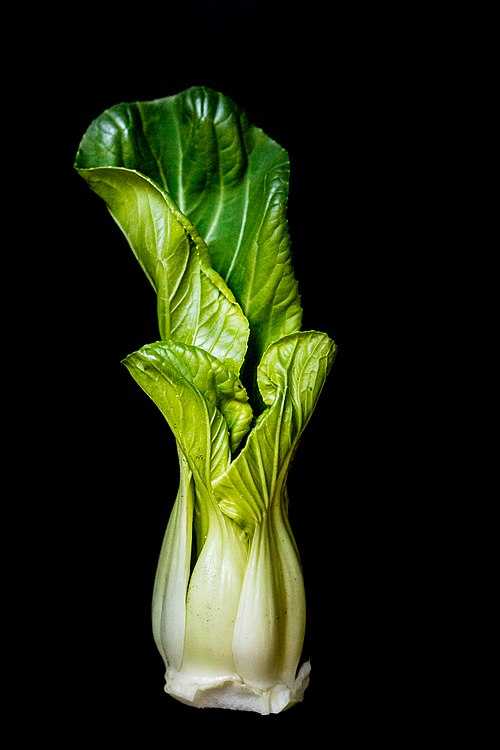
1. Bok Choy

"Bok Choy" is Cantonese for white vegetable, and is sometimes written as "pak choi". The plant is known by many different names, including Chinese mustard, Chinese chard, and spoon cabbage. It is believed to have been cultivated in China by the 400s AD, having been derived from the mustard plant in the Yangtze River delta area.

Unlike some cabbage varieties, bok choy does not form heads; the leafy stalks, however, are not only tasty, but nutritious as well. Described as having a taste that is a combination of water chestnuts and spinach, bok choy is low in calories, but high in Vitamin K and calcium, as well as iron, potassium, and many more vitamins. It can be eaten raw, but also cooks very quickly in 2-3 minutes. Bok choy can also be pickled or dried.
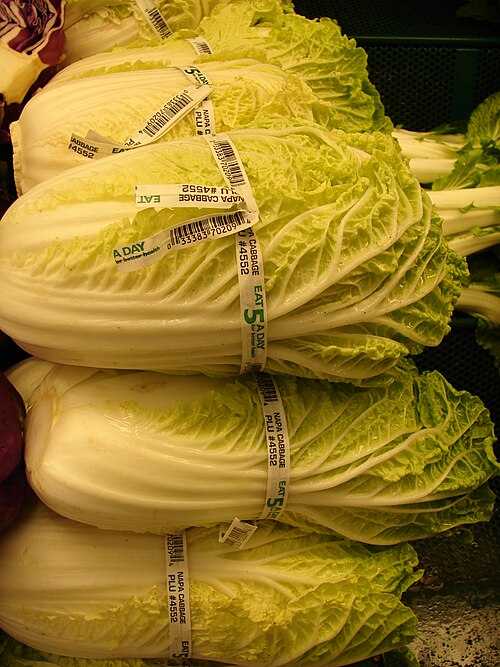
2. Napa

Also called Chinese or celery cabbage, and sometimes written as nappa, this cabbage originated around the 15th century in the Yellow River region of China. From there it spread to Korea and Japan, and, as the Chinese immigrated throughout the world, it spread to the Americas, Europe, and Australia. Today it is grown all over the world.

Napa cabbage has thick white stalks with light green leaves, both of which are edible. It can be eaten raw and is delightfully crunchy with a sweeter taste than most other cabbages. It is also used in stir-fry and soups. Nutritionally, napa cabbage has few calories and is high in vitamins C and K, as well as fiber.
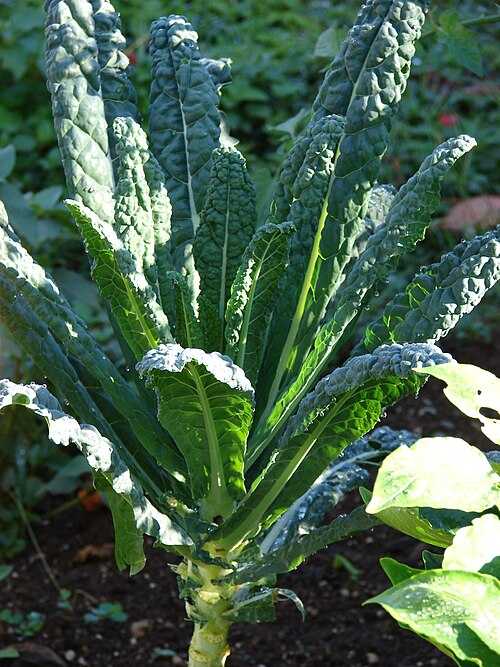
3. Tuscan

Tuscan cabbage goes by a variety of names, including Tuscan kale, Lacinato kale, and dinosaur kale. It dates back to the 1700s in Italy, and was even planted in 1777 at Thomas Jefferson's garden in Monticello. The plant is much taller than most cabbage varieties, growing up to 2 feet (60 centimeters). Typically, the foot-long (30 cm) leaves are picked from the bottom, leaving the rest of the plant to look like a palm tree.

Tuscan cabbage can be eaten raw in salads, or blanched and then sauteed with other vegetables for soups or pasta dishes. Because it is sweeter and milder than most kale, it has been called the "darling of the culinary world". Not only is it high in vitamins K, A, and C, it also contains minerals, such as iron, potassium, and calcium.
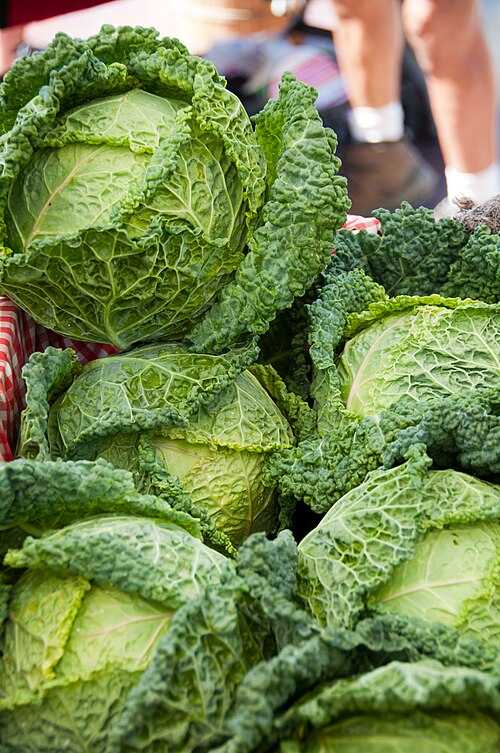
4. Savoy

Savoy cabbage is also called curly, Milan, or Lombard cabbage. It originated in the Mediterranean area sometime around the 1500s. The name Savoy may refer to the Savoy region of France or the House of Savoy in Italy. Known also as the "winter king", Savoy cabbage is very popular because it can be grown in colder weather and withstand snow and frost. It is easily recognized due to its crinkled leaves.

While it can be eaten raw in slaw or salads, the tenderness of the leaves makes Savoy cabbage a perfect choice for use in soups. Blanched leaves make tasty wraps, and it is even good cut into wedges, brushed with olive oil, and roasted. Savoy cabbage is low in calories and high in fiber and nutritional value, with vitamins C, K, and B9.
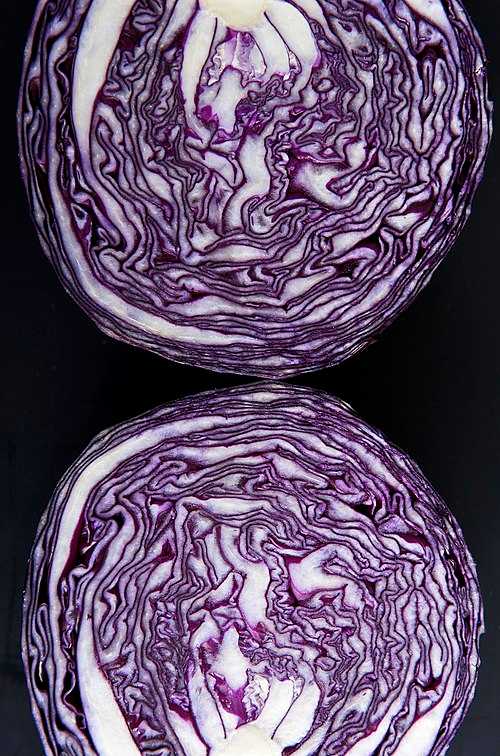
5. Red/Purple

Red or purple cabbage is believed to have originated in Europe during the Middle Ages. It is first mentioned by Abbess Hildegard von Bingen, who lived from 1098-1179. She called it "rubeae caules". In German-speaking areas it is used today as a cooked side dish called Rotkohl or Blaukraut, although it can also be eaten raw in salads. It is crunchier and has more flavor than green cabbage.

Interestingly, the color of the plant changes according to the pH value of the soil. When cooked it normally turns a blue color, however, a bit of vinegar will change it back to red or purple. The reason it is called red cabbage when it is really purple is because back in the Middle Ages, when it was named, the color red was used to describe more shades of color.

Like its plant cousins, red cabbage has high levels of vitamins C and K, and is rich in antioxidants. The high fiber helps to promote good gut health, and regular consumption is believed to have a positive effect on lowering blood pressure.
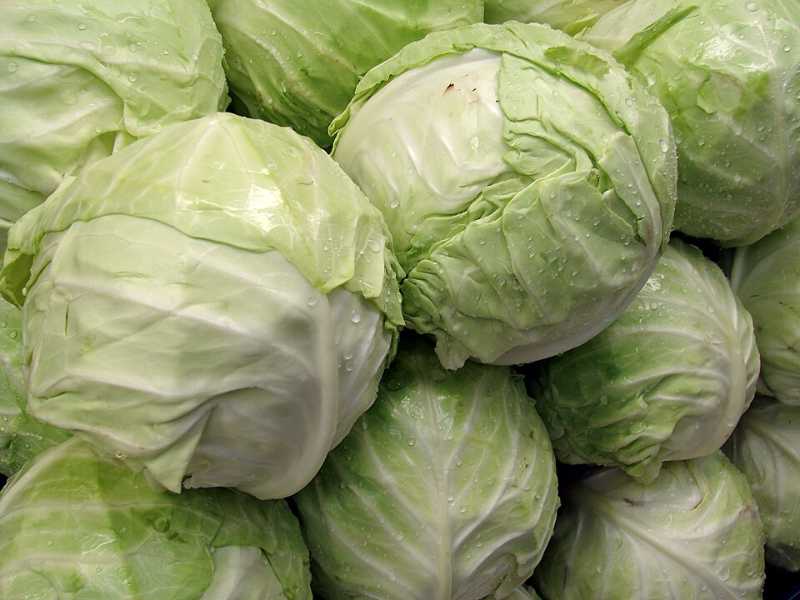
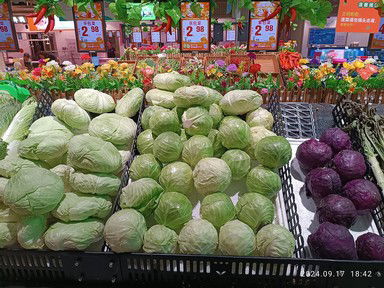
6. Green/White

Also called white, cannonball, or Dutch cabbage, green cabbage was first domesticated in Mediterranean Europe around 1,000 BC, and is considered to be the most common variety today. The ancient Romans not only cultivated it as a staple food, but also regarded it as a superfood that worked as a wonder drug. It is said that after Emperor Diocletian retired from politics, he spent the rest of his life tending to his cabbage garden; when asked to return to rule he is said to have replied that if people could see the cabbages he grew, they wouldn't ask him to return to politics.

Although the cabbages in ancient Roman didn't have the same dense, tight-headed green cabbages of today, the Romans knew it was an important part of a healthy diet. This high fiber food supports digestive and gut health, and the potassium it contains can help manage blood pressure. One cup of raw green/white cabbage has over 50% of the daily value of vitamin C, which strengthens the immune system, and about 85% of the DV for vitamin K, which helps with bone strength.

Green cabbage works well in many different dishes. It can be eaten raw in coleslaw or salads, added to soups, or even fermented to make sauerkraut or kimchi. As it cooks, it loses some of its rubbery texture and has a sweeter taste.
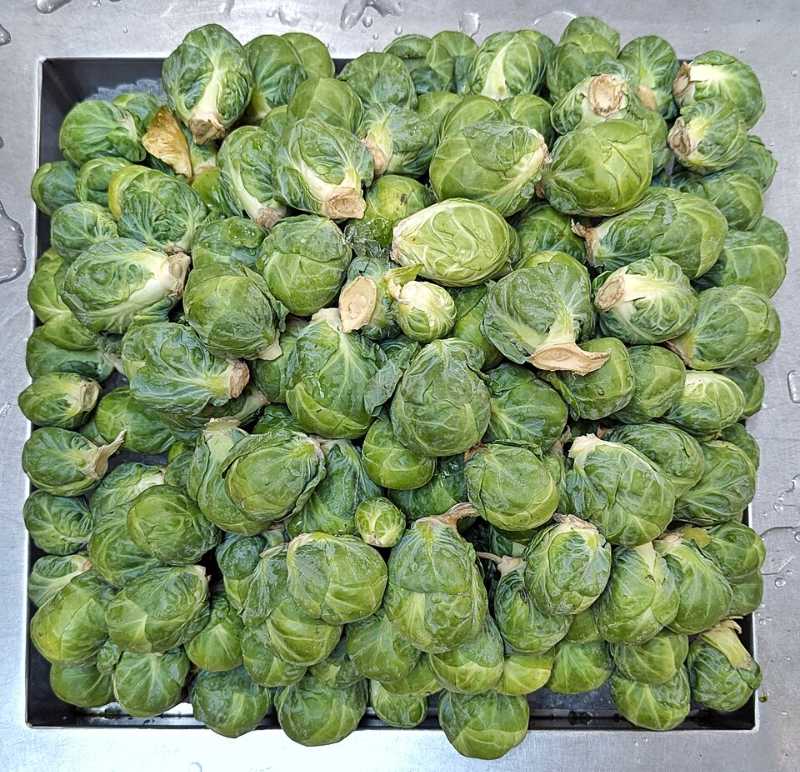
7. Brussels Sprouts

Historians believe that predecessors to Brussels sprouts were cultivated in the Mediterranean area by the ancient Romans, who helped spread the cultivation of the crop to northern Europe by the 400s AD. The crop as it is known today was grown by the 1200s in Belgium and became very popular, hence the name; the first written reference to it there dates to 1587.

It is true that Brussels sprouts can taste bitter, as they contains high levels of glucosinolates, which helps to keep away insects; the method of cooking is really important to bring out the best flavor. Stay away from steaming or boiling them, and roast them instead. This brings out a sweeter flavor. New varieties are always beings bred that have a milder, sweeter taste.

Like the other members of the "Brassicaceae" family, Brussels sprouts are high in vitamins C and K. They also have anti-inflammatory properties, thanks to those glucosinolates, and are a good source of copper, vitamin B1, potassium, and omega-3 fatty acids.
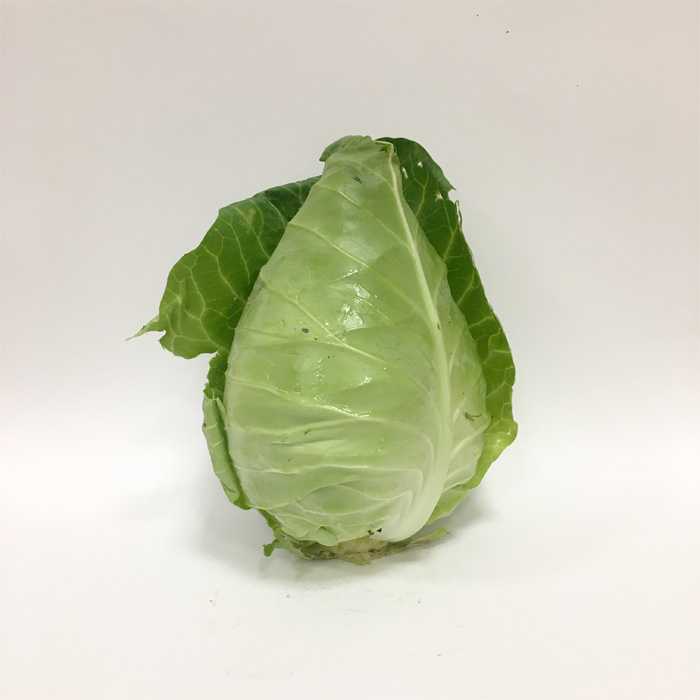
8. Pointed

Also called oxheart, sweetheart, and even conehead cabbage, pointed cabbage has a rather mysterious origin. While some sources say it was first developed in the 1700s and 1800s in Europe, others say its cultivation began much earlier in China. Regardless of its origin, pointed cabbage is definitely a staple crop in both regions.

Of course, pointed cabbage has the same health benefits of its cruciferous cousins, with high daily values of vitamins C and K. Its zinc content also aids in immune health, and it is valued for its antioxidants that may reduce the risk of heart disease. So why choose it over some of the other varieties? It is described as crunchy, tender (not rubbery!), and sweet. And - unlike some of the other varieties - it is said to be less likely to cause flatulence.
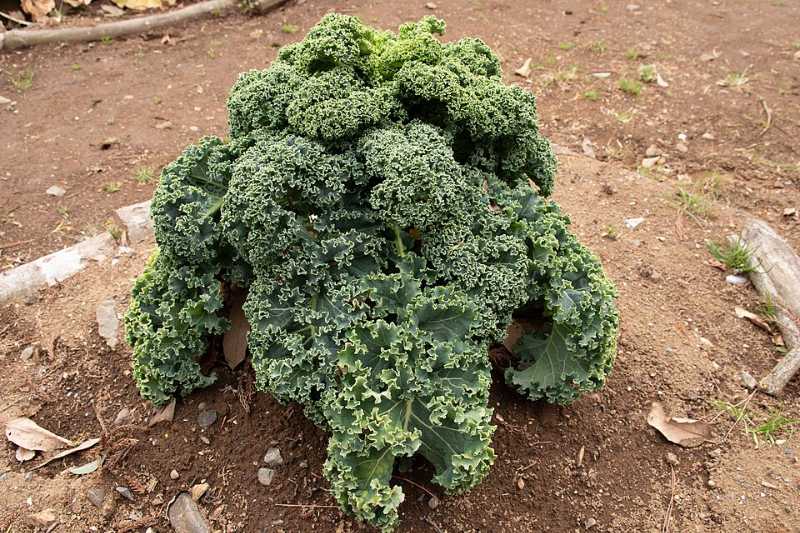
9. Kale

One of the oldest cultivated vegetables originating in the eastern Mediterranean and Asia Minor, kale, also known as leaf cabbage, was an important staple crop for the ancient Greeks and Romans. It typically has green or purple leaves, and does not form a head. It was highly valued because it could continue to grow into the winter, after most other food crops had been harvested.

While kale contains vitamins C and K, it also has vitamin A, which supports vision and cell growth. It is said to support collagen production, which helps to prevent premature aging, and the antioxidants it contains seems to strengthen the immune system. It's high fiber will help a person feel fuller, so it is great for weight management.

Kale does admittedly require some care in preparation, or it will be bitter and tough. Harvesting after a frost will make it taste sweeter. Or try kale chips! Mix some olive oil and sea salt with the kale, and bake for a few minutes. You just may find a new snack!
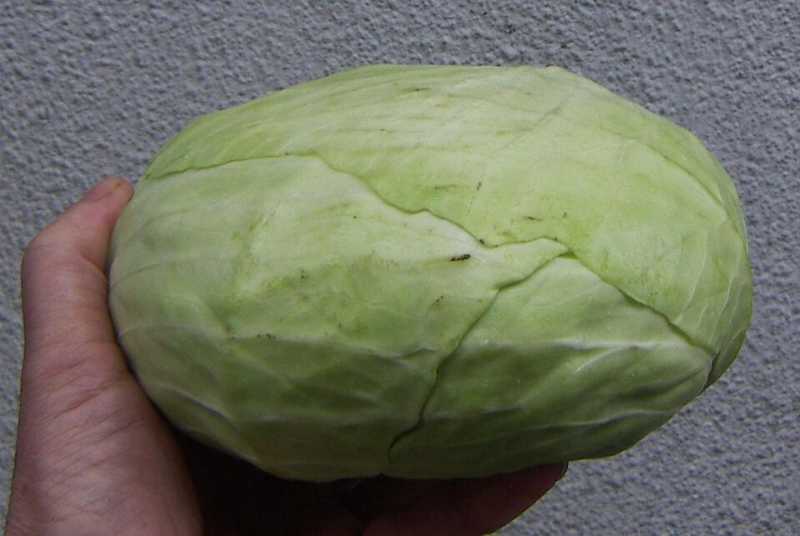
10. Jaroma

The Jaroma cabbage was introduced by a Germany company, "Jaro-Fruit Growing Cooperation GmbH in 1999, and is found in many European markets today. Closely related to white cabbage, it has a flat shape, milder flavor, and is more tender than other cabbages; it is tasty either raw or cooked, and sources say that it lacks the strong cabbage smell that some find offensive.

Like other varieties, it is high in vitamins C and K, but also contains vitamin B6 and folate. Rich in fiber, it aids in digestion and its anti-inflammatory property is said to help manage diabetes.
Source: Author ponycargirl

This quiz was reviewed by FunTrivia editor Bruyere before going online.
Any errors found in FunTrivia content are routinely corrected through our feedback system.
4/19/2026, Copyright 2026 FunTrivia, Inc. - Report an Error / Contact Us