FREE! Click here to Join FunTrivia. Thousands of games, quizzes, and lots more!
Quiz about How Did That Get Into My Body

How Did That Get Into My Body? Quiz

Chemical elements in foods

Have you ever wondered how your body gets the important elements it needs from food? Can you match each element to the food that delivers it? Good luck!

by Lpez. Estimated time: 3 mins.

  1. Home
  2. »
  3. Quizzes
  4. »
  5. For Children Trivia
  6. »
  7. Science for Kids
  8. »
  9. Chemistry for Kids

Author
Lpez
Time
3 mins
Type
Quiz #
420,572
Updated
Mar 29 26
# Qns
10
Difficulty
Easy
Avg Score
9 / 10
Plays
27
Last 3 plays: lethisen250582 (10/10), sciencenerd05 (6/10), chianti59 (10/10).
Drag-Drop or Click from Right
Options
Sulfur Calcium Sodium Silicon Potassium Iron Selenium Zinc Copper Iodine


 View Image Attributions for This Quiz

Most Recent Scores
Today : lethisen250582: 10/10
Today : sciencenerd05: 6/10
Today : chianti59: 10/10
Today : neon000: 10/10
Today : Reamar42: 10/10
Today : Ampelos: 10/10
Today : kstyle53: 10/10
Today : maryhouse: 10/10
Today : kittykisses07: 7/10

Quiz Answer Key and Fun Facts
1. Calcium

Calcium (symbol Ca, atomic number 20) is the most abundant mineral in the human body. There is perhaps no better way to ingest calcium than through milk, especially at an early age. Calcium helps build strong bones and teeth, but also helps the muscles work properly.

As you grow, it becomes less important to acquire calcium from milk, though it is generally still recommended as part of a balanced diet. Calcium can also be found in leafy greens and broccoli.
2. Iron

Iron (symbol Fe, atomic number 26) is the key player in red blood cells and helps carry oxygen around the body. Iron gives blood its red color and is also present in myoglobin, a protein that gives oxygen to the muscles. Red meats, such as beef, are iron-rich foods that can be consumed in many different forms: burgers, steak, tacos, or even raw as steak tartare.

Indeed, the red juice that can sometimes be seen leaking out of meat is often confused with blood, but it is actually myoglobin. This makes meat a great source of highly absorbable iron.
3. Potassium

Potassium (symbol K, atomic number 19) is useful to the human body for a variety of reasons. It helps control fluid levels in the cells, balances sodium levels, and improves heart and muscle functioning. Potassium is also widely known for its usefulness in preventing cramps, which is why it is very common to see athletes eating bananas before, during, or after exercising.

Other good sources of potassium include tomatoes, leafy greens, other fruits and vegetables, and most kinds of chicken/fish/beef.
4. Sodium

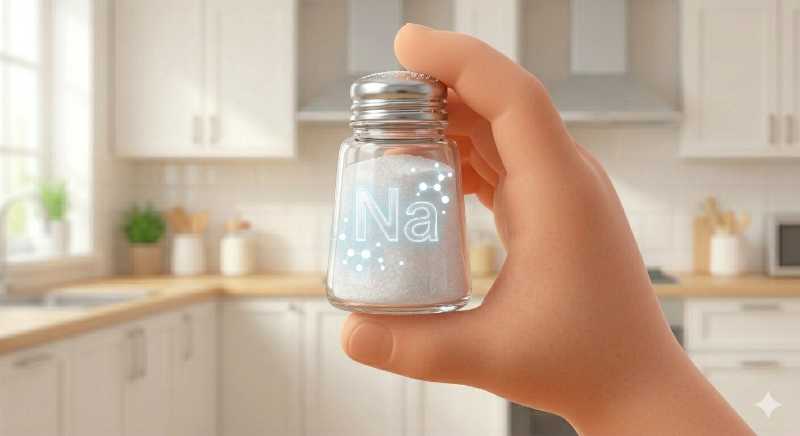
Sodium (symbol Na, atomic number 11) helps the body keep a healthy fluid balance and fire off nerve signals throughout the body. Because sodium is a vital electrolyte, it plays a key role in hydration. For example, a combination of water, lime/lemon juice, and baking soda is often recommended to treat lightheadedness caused by dehydration. Too much sodium, on the other hand, could also be harmful: if you eat too many salty snacks, the body may need to retain extra water to dilute the salt and cause bloating or constant thirst.
5. Copper

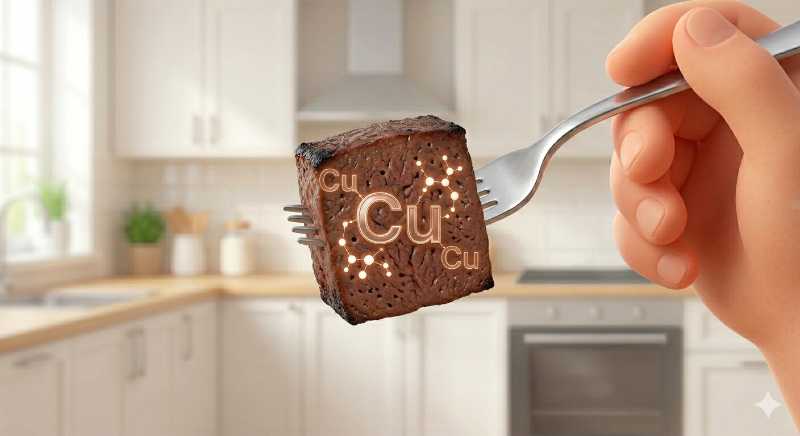
Copper (symbol Cu, atomic number 29) is critical for energy and cell health, especially red blood cells. Copper and iron often work together to help form red blood cells and maintain a healthy circulatory system. Copper also assists in making collagen and creating strong tissue within the body. If you are looking for a copper-rich food item, your best choice by far is to eat some beef liver, as it contains the most copper per serving of any food, as well as containing many other nutrients and vitamins. If you can't stomach the liver, don't worry, you can also get copper from shellfish, various nuts and seeds, and chocolate.
6. Iodine

Iodine (symbol I, atomic number 53) is your thyroid gland's best friend. The body's thyroid function is intimately connected to its metabolic rate, so if the gland doesn't have enough iodine to help it produce hormones, you may end up feeling groggy, tired, or with constant temperature changes. Though eating sushi would certainly help get iodine in most cases (and several other nutrients, depending on the protein or veggies in each roll), the real star is seaweed. Because seaweed is uniquely positioned to absorb iodine from seawater, it contains higher concentrations of iodine than any other food.
7. Sulfur

Sulfur (symbol S, atomic number 16) is typically connected to dangerous and inedible things, such as volcanoes or sulfuric acid (which can cause severe health issues or explosions). However, sulfur as a mineral is an essential component of daily life. Sulfur gets along with proteins because the former helps build and stabilize the latter. Sulfur compounds (not sulfur by itself) are associated with strong and unpleasant smells, such as that of rotten eggs. That is why many people dislike boiled eggs. If safe to eat, though, eggs are a wonderful source of this mineral that your body greatly needs!
8. Selenium

Selenium (symbol Se, atomic number 34) is a trace element primarily found in soil and rocks. You don't really need to ingest too much of it in a healthy diet, but it certainly helps the cells, immune system, and thyroid through its antioxidant function. Just a few Brazil nuts from the Amazon rainforest are sufficient to give you all the daily selenium you need. And they are delicious, too!
9. Silicon

Silicon (symbol Si, atomic number 14) is NOT the same thing as silicone with the "e" at the end. Silicon is an element found in nature, usually in rocks and minerals. When it goes into the body, it helps calcium build strong bones and also strengthens the hair and nails. Oats absorb a lot of silicon from the soil when they are first growing, which makes this grain an excellent choice to get the required amount of this element. Very differently, silicone is a man-made material that is used in electronics and adhesives and is NOT edible (unless consumed in very small amounts or if it is "food-grade", though it should preferably be avoided).
10. Zinc

Zinc (symbol Zn, atomic number 30) is a very important contributor to immune health, recovery, and growth. Zinc helps wounds heal faster because it has a role in reducing inflammation and helping tissues regenerate. Zinc is also needed to produce the white blood cells that end up fighting infections like the common cold.

Many foods, such as red meat and pumpkin seeds, are great sources of zinc. But the most powerful, zinc-rich food item is the oyster. While some people dislike the slimy texture of oysters, they have numerous health benefits and can be prepared in many delicious ways! You can add mignonette sauce (a mixture of vinegar with shallots), cocktail sauce, hot sauce, horseradish, or simply a splash of lemon juice, and get your daily dose of zinc in no time.
Source: Author Lpez

This quiz was reviewed by FunTrivia editor MotherGoose before going online.
Any errors found in FunTrivia content are routinely corrected through our feedback system.
Related Quizzes
This quiz is part of series Author Challenges by Lpez:

A collection of quizzes I've written based on titles from the FunTrivia Author Challenges list. Enjoy!

  1. The Great American Hamburger Easier
  2. Things That Make Other Things Easier
  3. It's Not Easy, Being a Plankton Easier
  4. Cooking with Octopus Easier
  5. I'm Aiming to Quease Average
  6. Aibohphobia Average
  7. That's Not How You Do It! Easier
  8. Manic Monday Average
  9. Fighting for Peace Average
  10. Sad Pandas Very Easy
  11. The Hens Are Coming Home to Roost Average
  12. My Way or Norway? Average

3/29/2026, Copyright 2026 FunTrivia, Inc. - Report an Error / Contact Us